
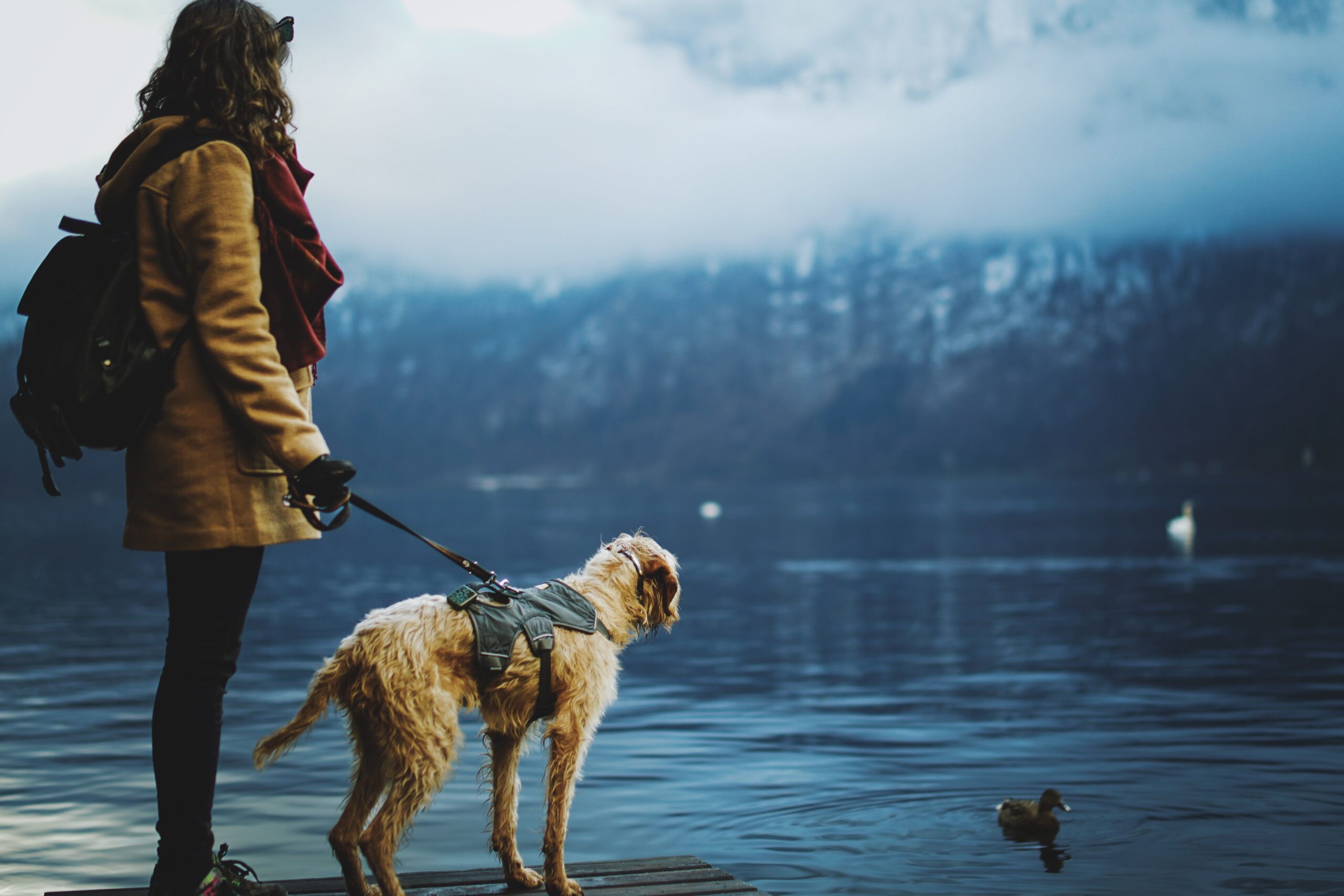
For many of us, a day spent exploring the great outdoors just isn’t the same without our four-legged companions. And with miles of scenic trails, towering pines, and abundant wildlife, Big Bear Lake offers plenty of opportunities to enjoy nature with your dog.
But what about birdwatching? Is it possible to enjoy a peaceful birding excursion with your pup in tow without disturbing the very wildlife you’re hoping to observe? The answer is yes, with a few important considerations. So, before heading out with your canine companion, let’s explore the pros and cons, and how to make your next outdoor adventure as wildlife-friendly as possible.
The Benefits of Birdwatching with Your Dog
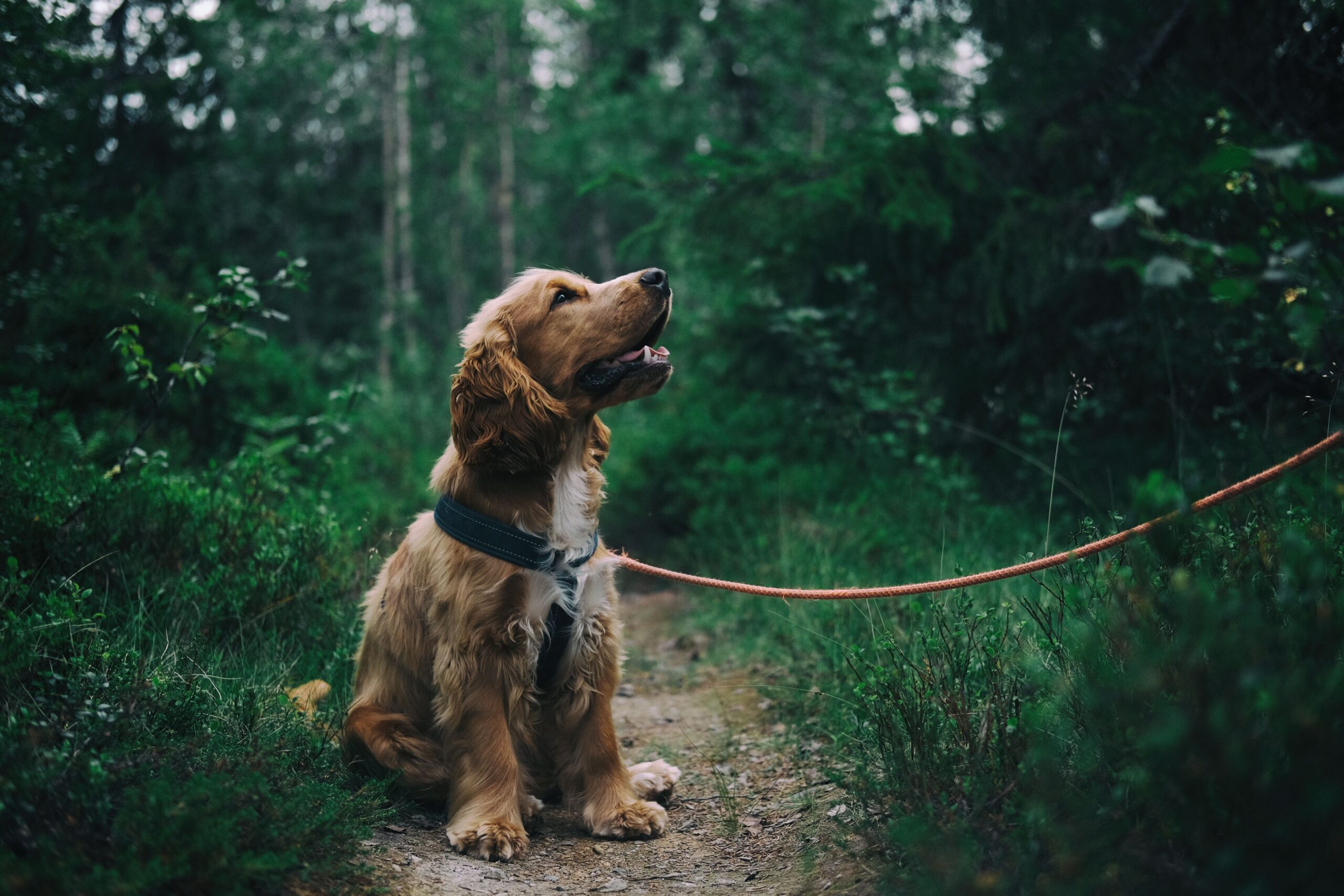
There’s no denying that dogs love exploring the outdoors. New scents, interesting terrain, and fresh air provide physical exercise and mental stimulation, making a nature walk an enriching experience for both dogs and their owners. And, for dogs that are comfortable around other people and animals, a well-planned outing can be a wonderful bonding experience.
Taking your dog birdwatching can also encourage you to slow down and explore familiar surroundings from a different perspective. Rather than rushing from one destination to another, you might find yourself enjoying a leisurely walk along a forest trail or spending time observing birds from a quiet, open space.
The Downsides: How Dogs Can Disturb Birds and Wildlife
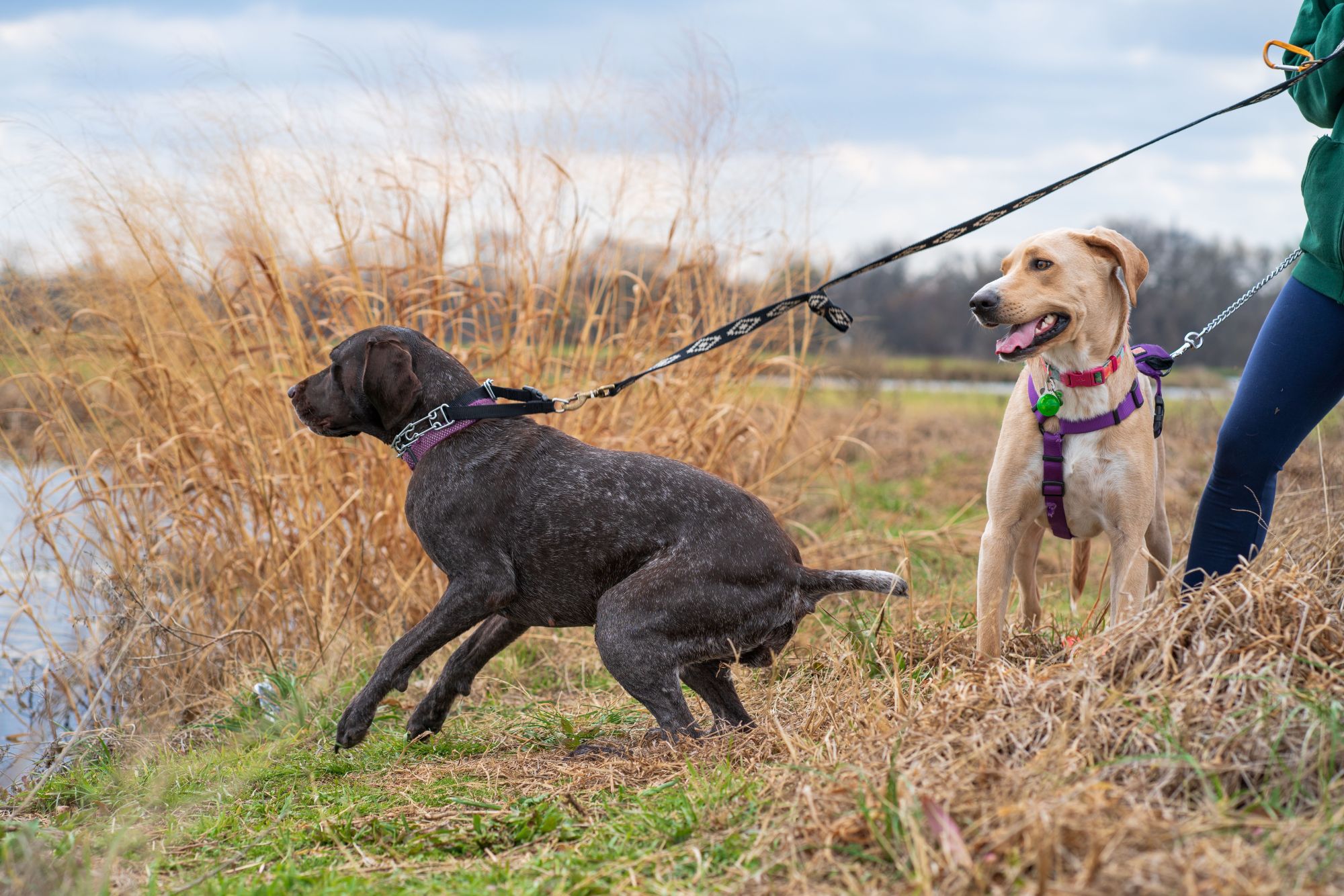
Even the most affectionate, well-behaved dog can be perceived as a predator by wild birds. It’s important to remember that our pets retain many of the instincts of their wild ancestors, and birds don’t necessarily recognize the difference between a playful pup and a potential threat.
According to the National Audubon Society, research has shown that dogs can disrupt bird behavior, particularly during nesting and migration. Even when dogs aren’t actively chasing birds, their presence can cause birds to flee, abandon feeding areas, or expend valuable energy avoiding perceived danger. The consequences can be especially serious for ground-nesting birds. When adult birds are frightened away from their nests, eggs and vulnerable chicks may be exposed to predators, extreme temperatures, and other threats.
And it’s not just unleashed dogs that can cause problems. A study conducted at a Southern California beach and published in Biodiversity and Conservation found that 11% of observed leashed dogs disturbed birds, compared with 34% of unleashed dogs. The findings underscore the importance of keeping dogs leashed to minimize disturbance to birds and other wildlife.
Leashed vs. Unleashed: Why It Matters
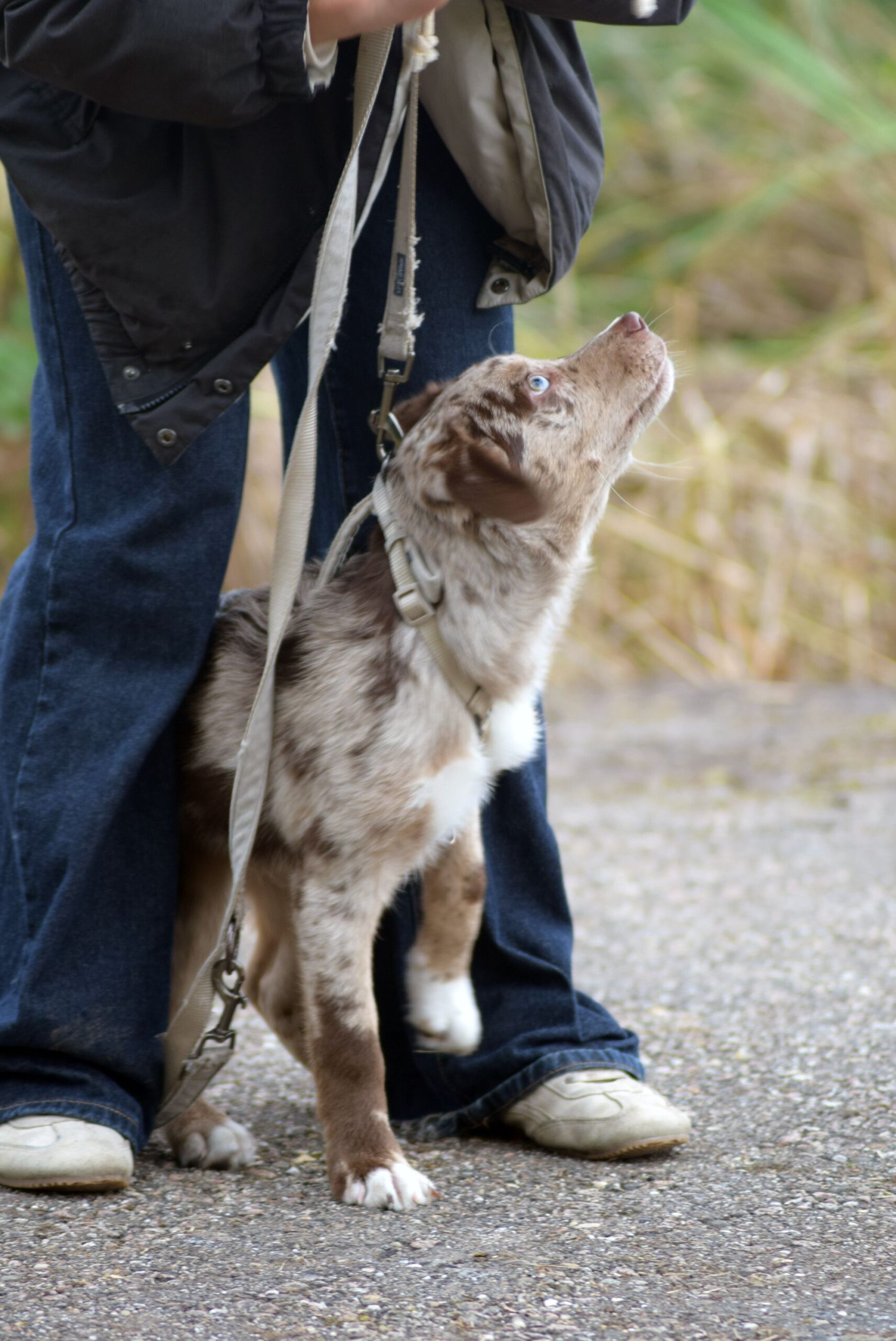
If you decide to take your dog birdwatching, keeping them leashed is one of the most important steps you can take to protect local wildlife—and it’s mandatory in some areas. An unleashed dog can quickly wander off-trail, investigate nesting areas, chase birds, or disturb animals that you may not even notice. Even dogs with excellent recall can become distracted by an unfamiliar scent or the sudden movement of a bird or squirrel.
A standard six-foot leash offers greater control and helps keep your dog close to you, reducing the likelihood of unexpected encounters with wildlife or other trail users. Retractable leashes, while convenient for everyday walks, are generally less suitable for birding. They can make it difficult to maintain consistent control, particularly when navigating narrow trails or approaching sensitive habitat.
Where Dogs Shouldn’t Go: Protecting Sensitive Habitat in Big Bear Valley
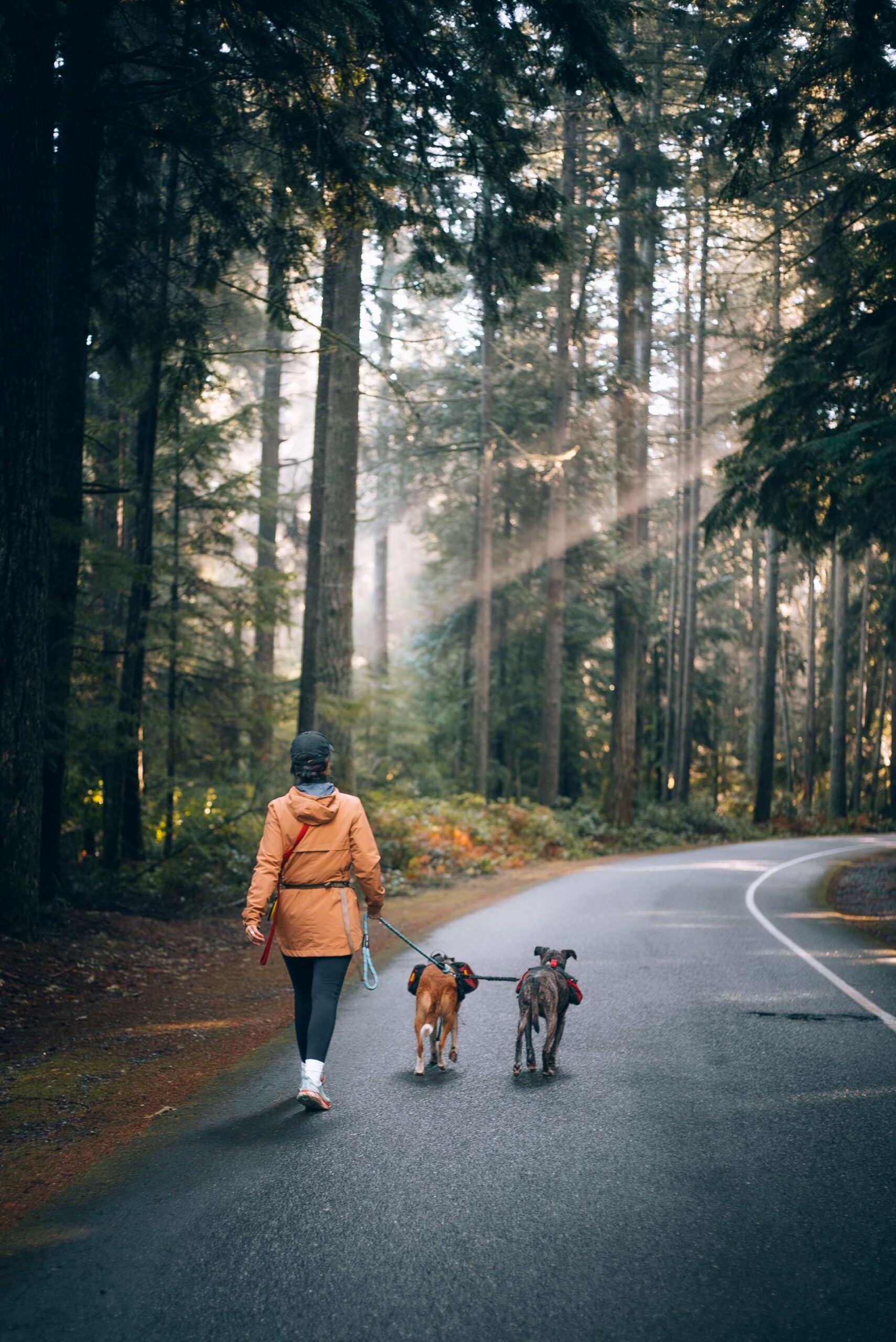
One of the most important rules of responsible birdwatching is knowing when to leave your dog behind. Certain natural areas are especially sensitive to human and animal disturbance, including nesting sites, wildlife refuges, and protected habitats. Even a leashed dog may be prohibited in these locations.
Bluff Lake Reserve is a particularly important example in Big Bear Valley. This ecologically significant area protects alpine meadow habitat and supports a variety of wildlife. Dogs are not permitted within the reserve, regardless of whether they’re leashed. The restriction helps protect the area’s sensitive natural resources.
As a general rule, avoid taking dogs into closed restoration areas and posted nesting zones. And never cross barriers or approach wildlife simply to get a better photograph.
Learn more about local trail access and restrictions through the Big Bear trail guide .
Big Bear Lake Dog Rules: Know Before You Go
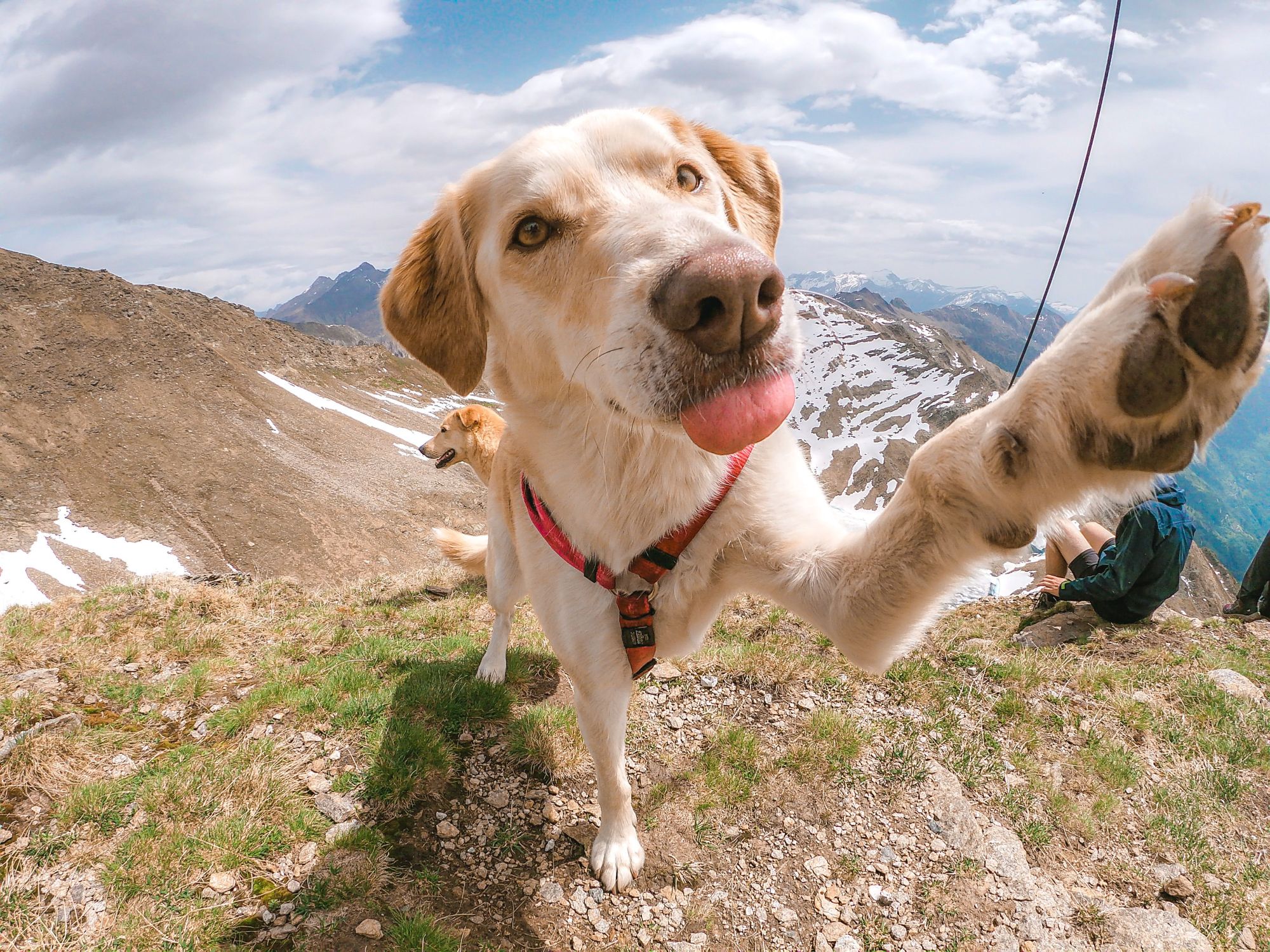
Fortunately, many trails throughout Big Bear Lake and the surrounding San Bernardino National Forest welcome dogs, provided they’re kept under control and owners follow applicable regulations.
Here’s a quick overview of some important local rules:
- City of Big Bear Lake parks and trails: Under Municipal Code Section 12.90.130, dogs must be on a leash or chain no longer than six feet and under the owner’s control. Owners must clean up after their pets.
- San Bernardino National Forest: The U.S. Forest Service requires dogs to be leashed at developed recreation sites, including trailheads, picnic areas, and campgrounds, as well as on wilderness trails. Dogs must not chase or disturb wildlife or other visitors. See the Forest Service’s backcountry safety guidelines.
- San Bernardino County: Dogs must be leashed or otherwise properly confined when off their owner’s property, including in unincorporated areas of Big Bear Valley. See San Bernardino County Animal Care’s leash law information.
- Protected areas: Individual preserves and recreation sites may impose additional restrictions, including prohibiting dogs altogether.
If you’re unsure whether dogs are permitted in an area: For trails and recreation areas in the San Bernardino National Forest, consult the U.S. Forest Service or contact the Big Bear Discovery Center at (909) 382-2790. For city-owned parks and trails, visit the City of Big Bear Lake’s parks and trails page .
Rules can vary depending on land ownership, trail designation, and seasonal closures. Always check posted signs and current regulations before setting out.
Tips for a Wildlife-Friendly Birding Adventure with Your Dog
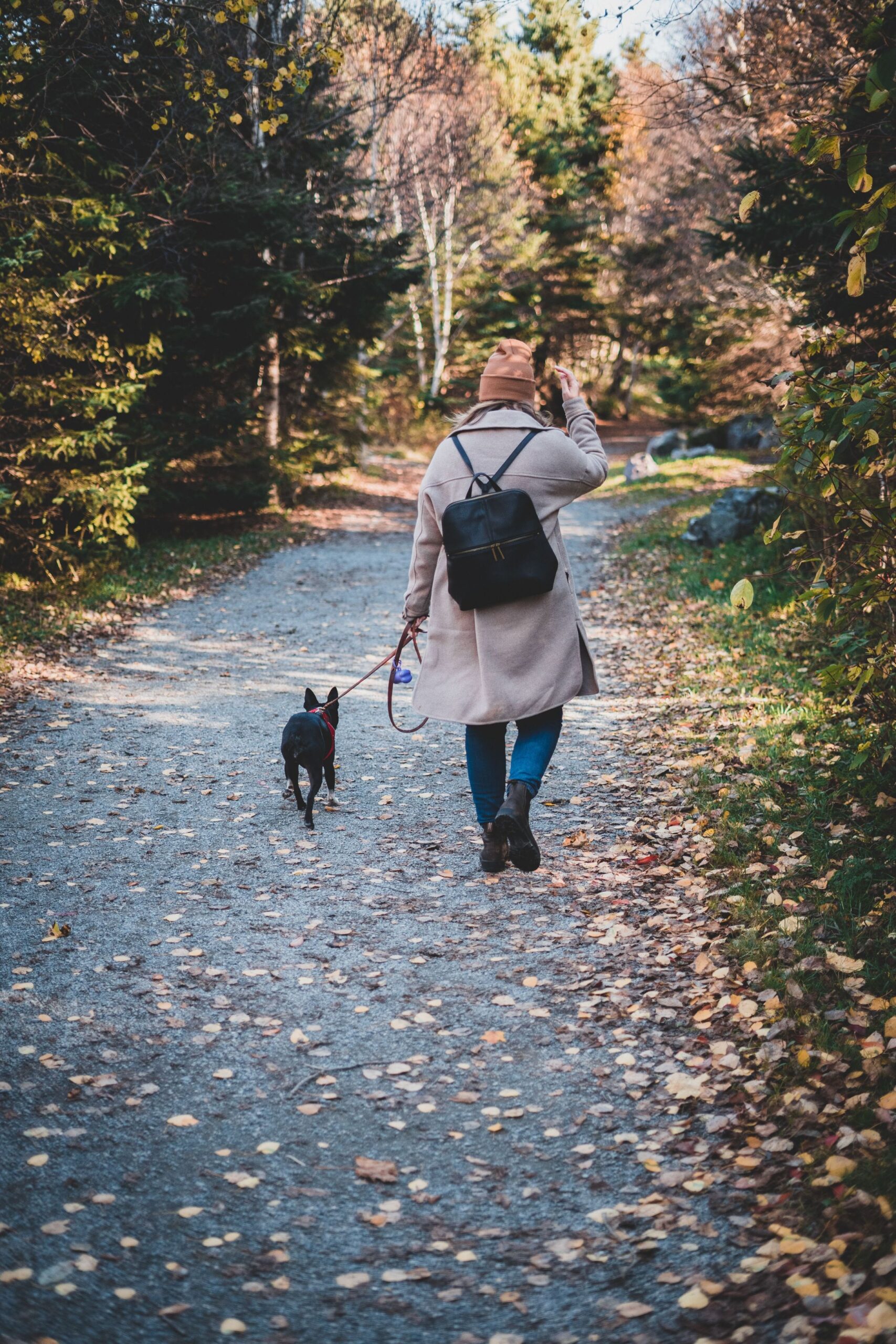
If you’ve determined that your destination welcomes dogs and your pup is ready for the experience, a few simple precautions can make your outing more enjoyable for everyone.
- Choose quieter trails. Avoid crowded birding hotspots and sensitive habitats where your dog’s presence may disrupt wildlife or other visitors.
- Keep your dog close. Use a standard leash and maintain control, especially near water, meadows, and areas with dense vegetation.
- Stay on designated paths. Wandering off-trail can damage fragile plants, disturb nesting birds, and contribute to habitat degradation.
- Leave no trace. Always pick up pet waste and pack it out. Dog waste can introduce excess nutrients and pathogens into natural environments.
- Respect wildlife encounters. If birds become agitated, stop feeding, or repeatedly move away, increase your distance or leave the area.
- Bring plenty of water. Big Bear’s elevation and dry mountain air can make outdoor adventures more demanding for dogs.
- Know when to call it a day. If your dog becomes restless, vocal, or overly interested in wildlife, it’s time to wrap up your birding excursion.
For more ideas on enjoying the outdoors responsibly, explore the Leave No Trace principles .
Sometimes, the Best Birding Companion Is Human, Not Canine
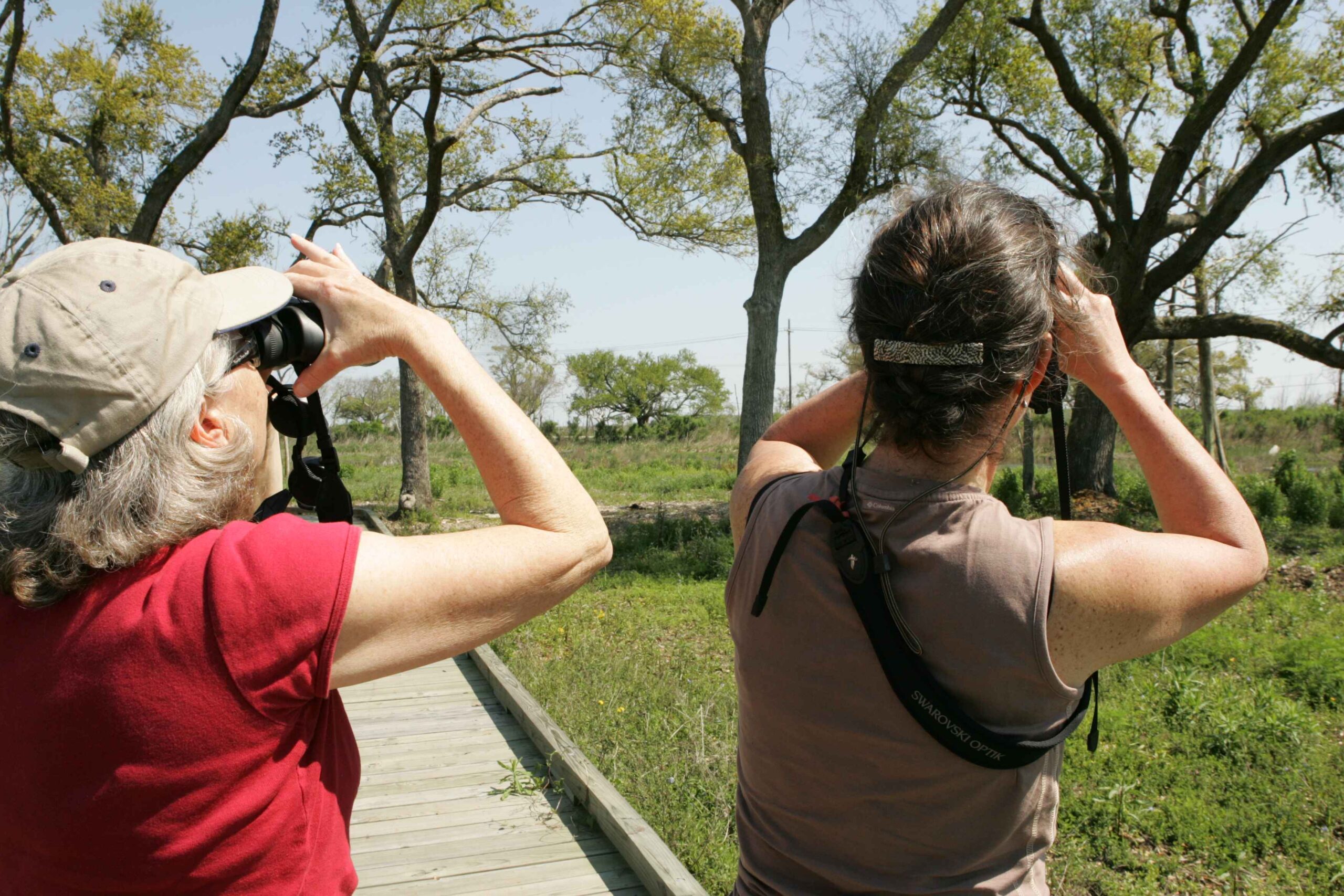
Ultimately, deciding whether to take your dog birdwatching comes down to balancing your enjoyment with the needs of the wildlife around you. Dogs can be wonderful companions on appropriate trails, but there are times when leaving them at home is the kindest choice for both your pet and the birds.
This principle also guides our own birding programs. At Chirp Nature Center, our guided bird walks are designed to give participants the best opportunity to observe and appreciate wild birds in their natural environment. For this reason, dogs are not permitted on our group walks.
Whether you’re exploring the San Bernardino National Forest with your pup or quietly observing birds on your own or with friends, remember that we’re visitors in their world. By making thoughtful choices, respecting local regulations, and giving wildlife the space it needs, we can help ensure that Big Bear Valley remains a welcoming home for birds and a beautiful place for generations of nature lovers to explore.