
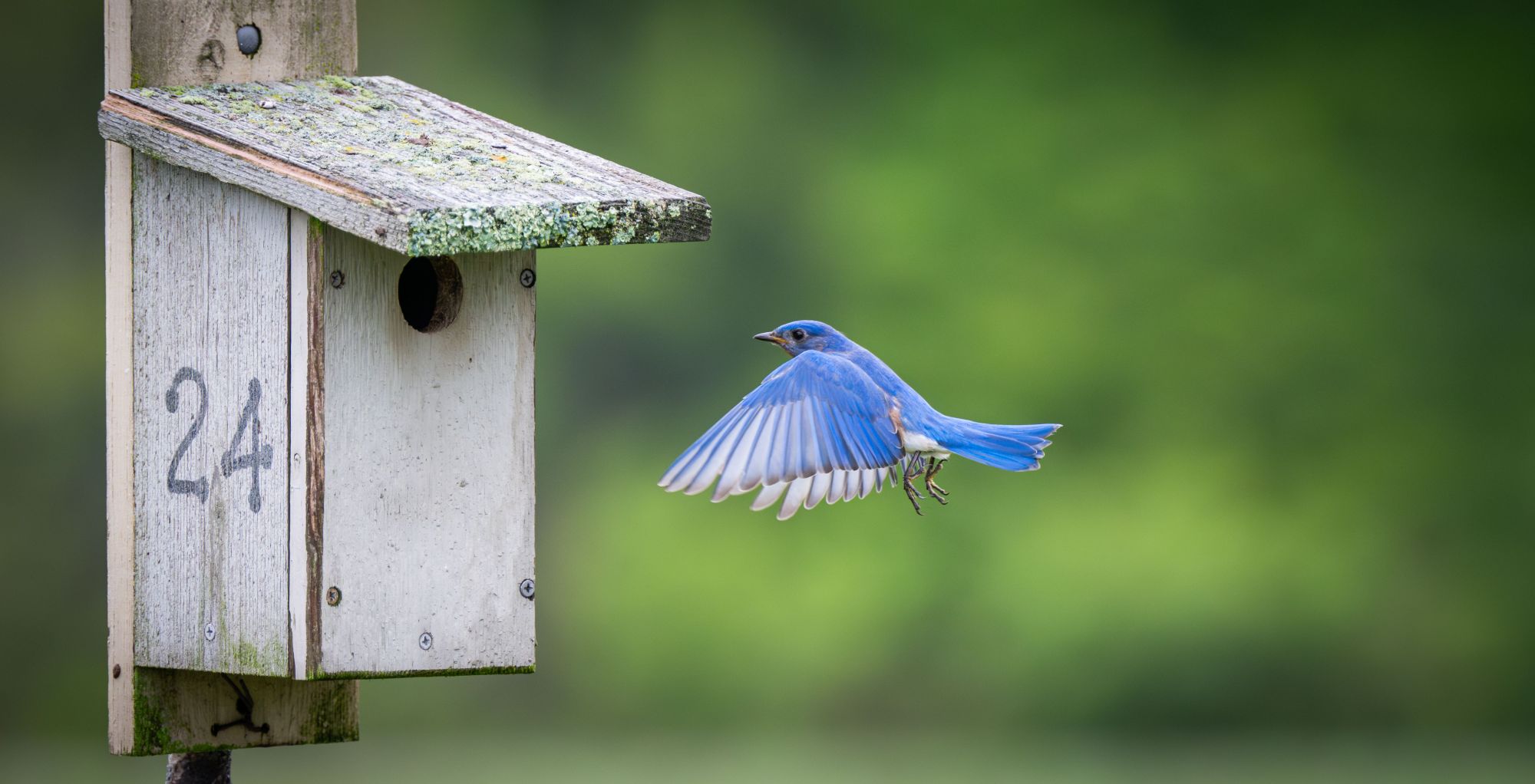
The biggest threat to many of Big Bear’s cavity-nesting birds isn’t a lack of food—it’s a lack of places to nest. Here in Big Bear Lake, we’re fortunate to share our forests, neighborhoods, and mountain landscapes with an incredible variety of birds, including several rare species. From Mountain Chickadees and White-breasted Nuthatches to Western Bluebirds and House Wrens, many species rely on tree cavities to nest and raise their young.
Installing and maintaining birdhouses and nest boxes is one of the simplest ways individuals can support local bird populations. While they may seem like a small addition to your yard, these alternative nesting sites provide critical habitat for cavity-nesting birds and help fill an important gap left by habitat loss.
Why Natural Nesting Sites Are Disappearing
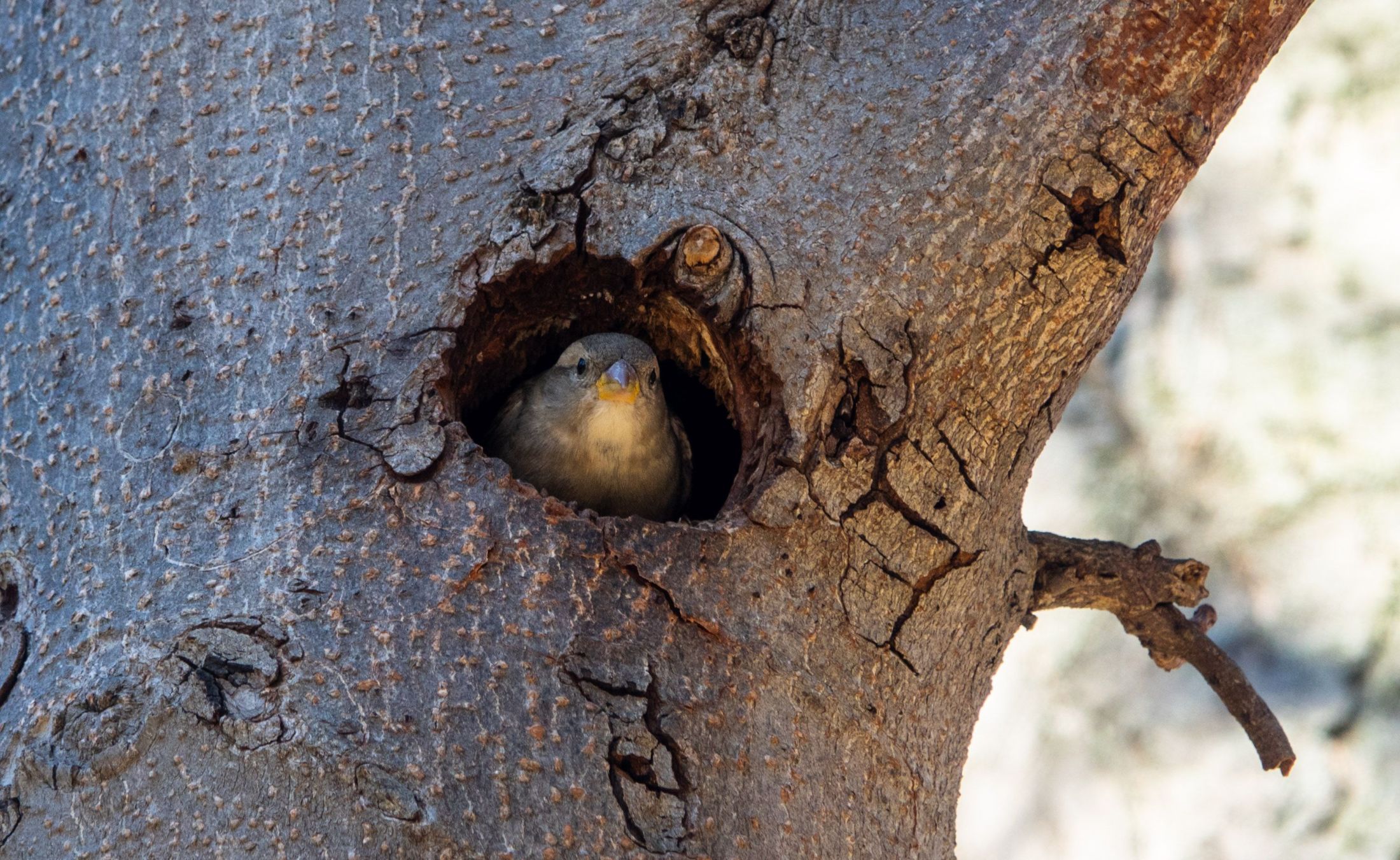
Every year, birds across Big Bear Lake begin searching for safe places to raise their young. But for many, finding a suitable nesting site is becoming increasingly difficult. Many birds naturally nest inside cavities found in dead trees, decaying branches, or old woodpecker holes. These natural shelters protect eggs and chicks from predators and harsh weather.
As development expands, dead or damaged trees (often called snags) are frequently removed before birds can use them. While removing hazardous trees is sometimes necessary, it also reduces available habitat, leaving fewer natural tree cavities that these birds depend on. Fortunately, there are simple ways we can help offset some of this habitat loss, starting with providing safe places for birds to nest.
How Birdhouses Help Protect Local Bird Populations
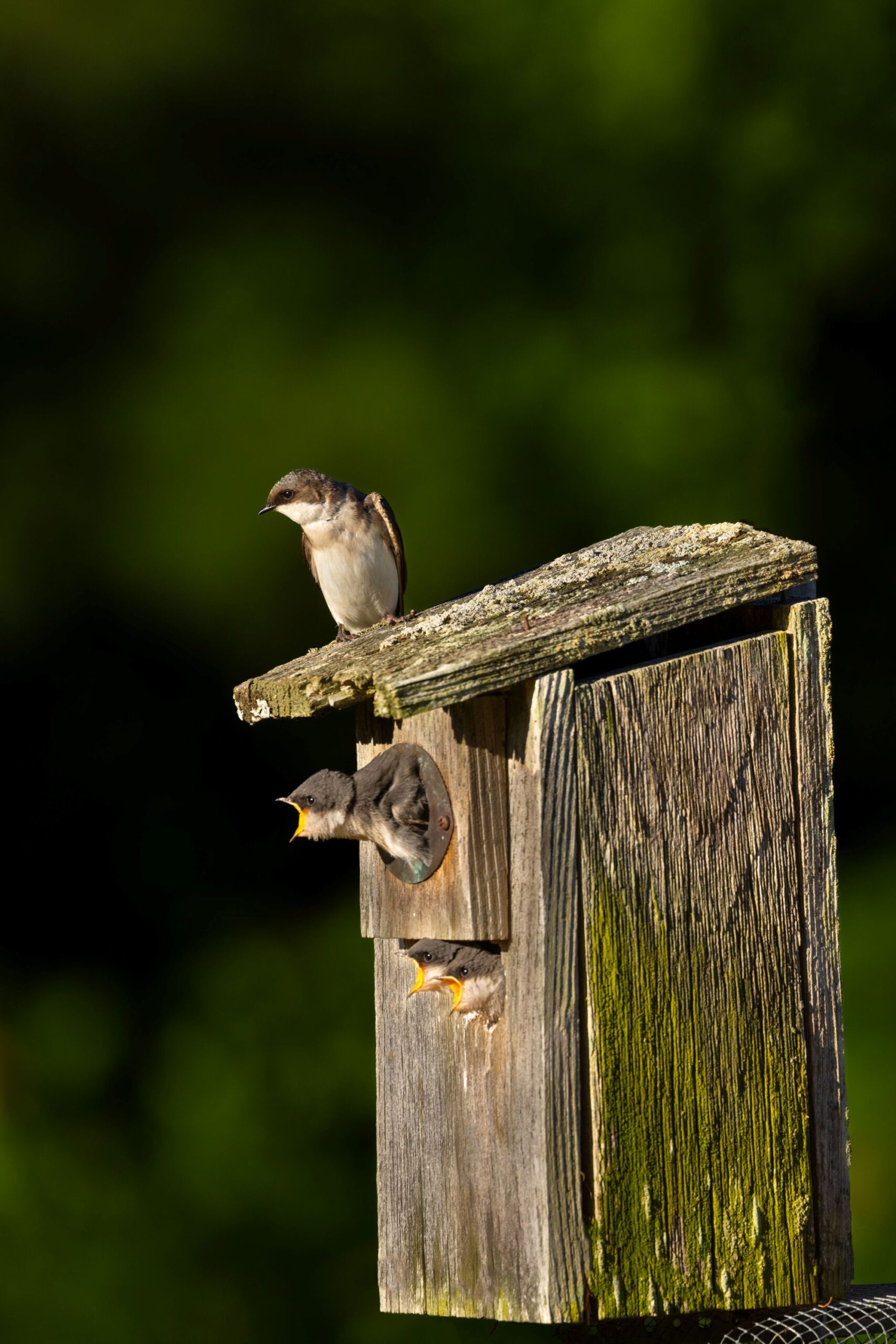
Research shows that properly designed birdhouses and nest boxes can increase nesting success for many cavity-nesting species. Here in California, the results have been especially encouraging. Since 1994, volunteers with the California Bluebird Recovery Program have helped produce more than 470,000 fledglings by installing and monitoring thousands of nest boxes across the state. In one recent year, more than 5,300 nest boxes supported nearly 20,000 fledglings representing 19 cavity-nesting species. It’s a powerful reminder that conservation doesn’t always require large-scale projects. When individuals and communities work together, even small actions can have a lasting impact on local bird populations.
Which Big Bear Lake Birds Use Birdhouses?
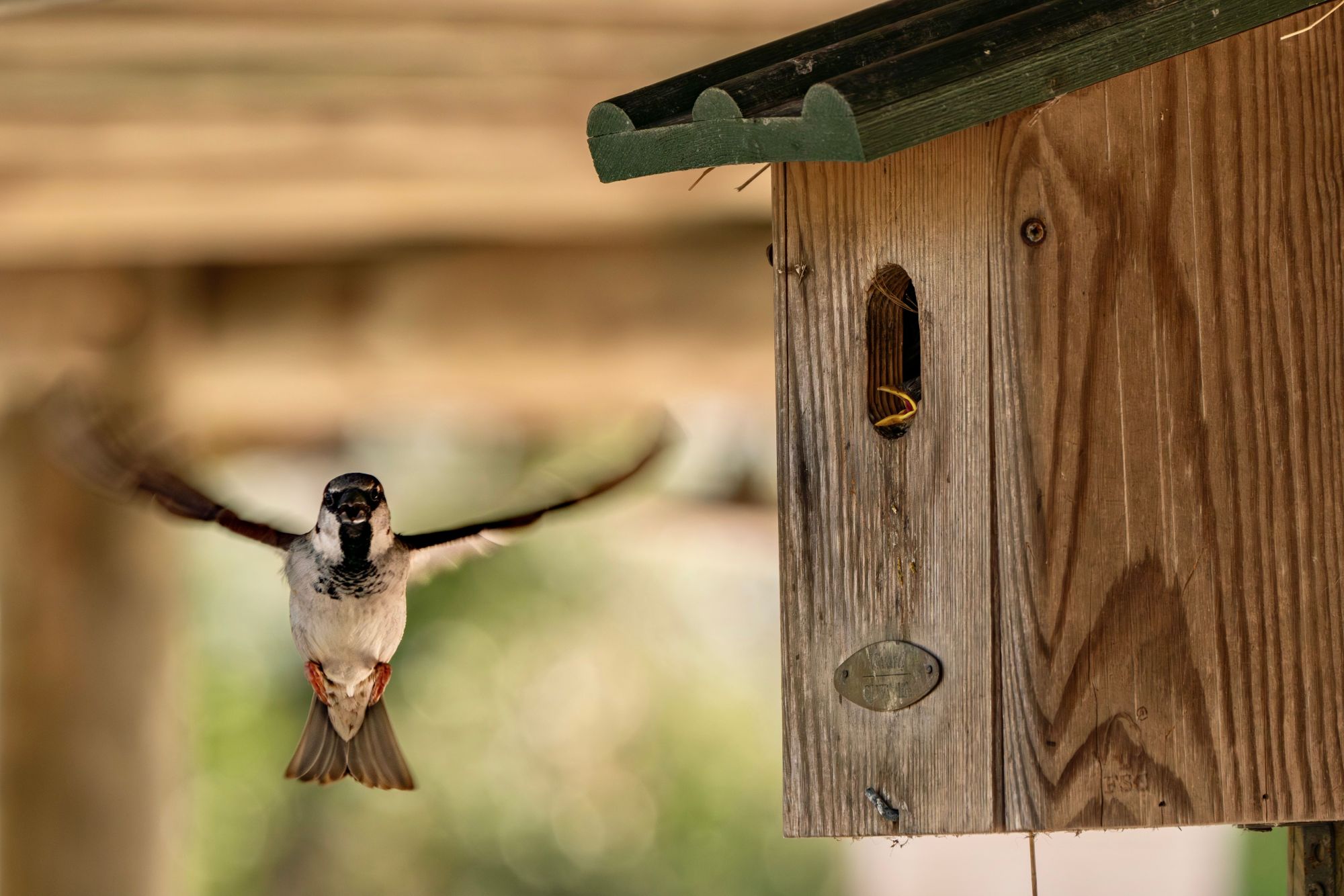
Not every bird uses a birdhouse. In fact, most birds build open nests in shrubs, trees, or on the ground. Birdhouses are specifically designed for cavity-nesting species, including several birds commonly found around Big Bear Lake and the surrounding San Bernardino Mountains, such as:
- Mountain Chickadees
- White-breasted Nuthatches
- Red-breasted Nuthatches
- House Wrens
- Bewick’s Wrens
- Western Bluebirds
- Violet-green Swallows
- Ash-throated Flycatchers
Each species has slightly different nesting preferences, which is why birdhouse size and entrance-hole diameter matter. A nest box built for bluebirds, for example, may not be suitable for wrens or chickadees. Choosing the right birdhouse for the species you’re hoping to support gives birds the best chance of successfully raising their young.
How to Install a Birdhouse That Birds Will Use
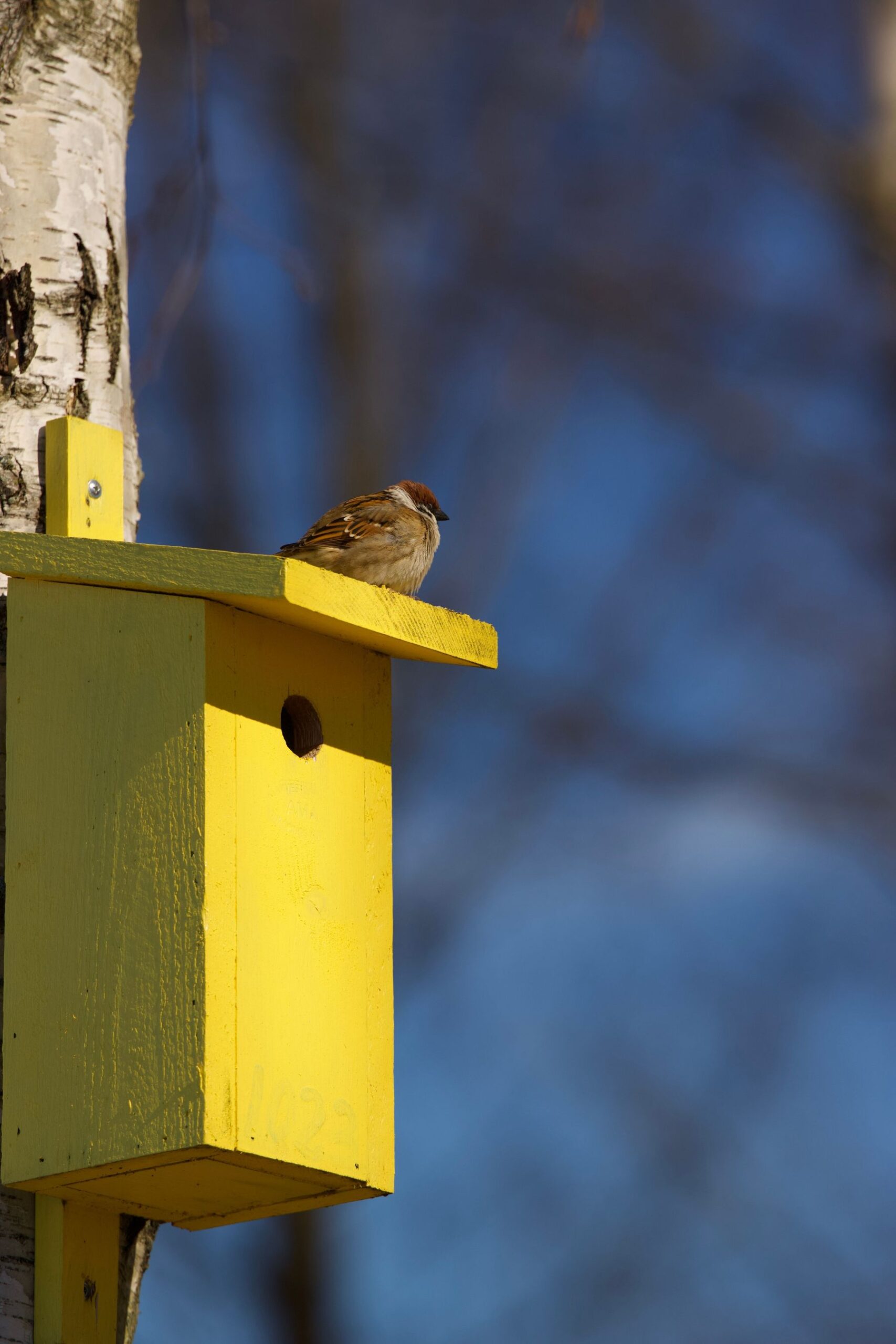
Proper birdhouse or nest box placement can significantly increase the chances they’ll be used by nesting birds. For best results, follow these best practices:
- Install birdhouses before nesting season begins in late winter or early spring.
- Mount them securely on a tree or pole so they don’t sway excessively.
- Place birdhouses in relatively quiet areas away from heavy foot traffic.
- Avoid mounting the birdhouses in direct afternoon sun whenever possible.
- Face the entrance hole away from prevailing winds if possible.
- Skip decorative perches, which can make it easier for predators to access the nest.
Different species also prefer different mounting heights, so it’s worth researching the needs of the bird you’re hoping to attract rather than assuming one size fits all.
Maintaining Birdhouses Helps Birds Stay Healthy
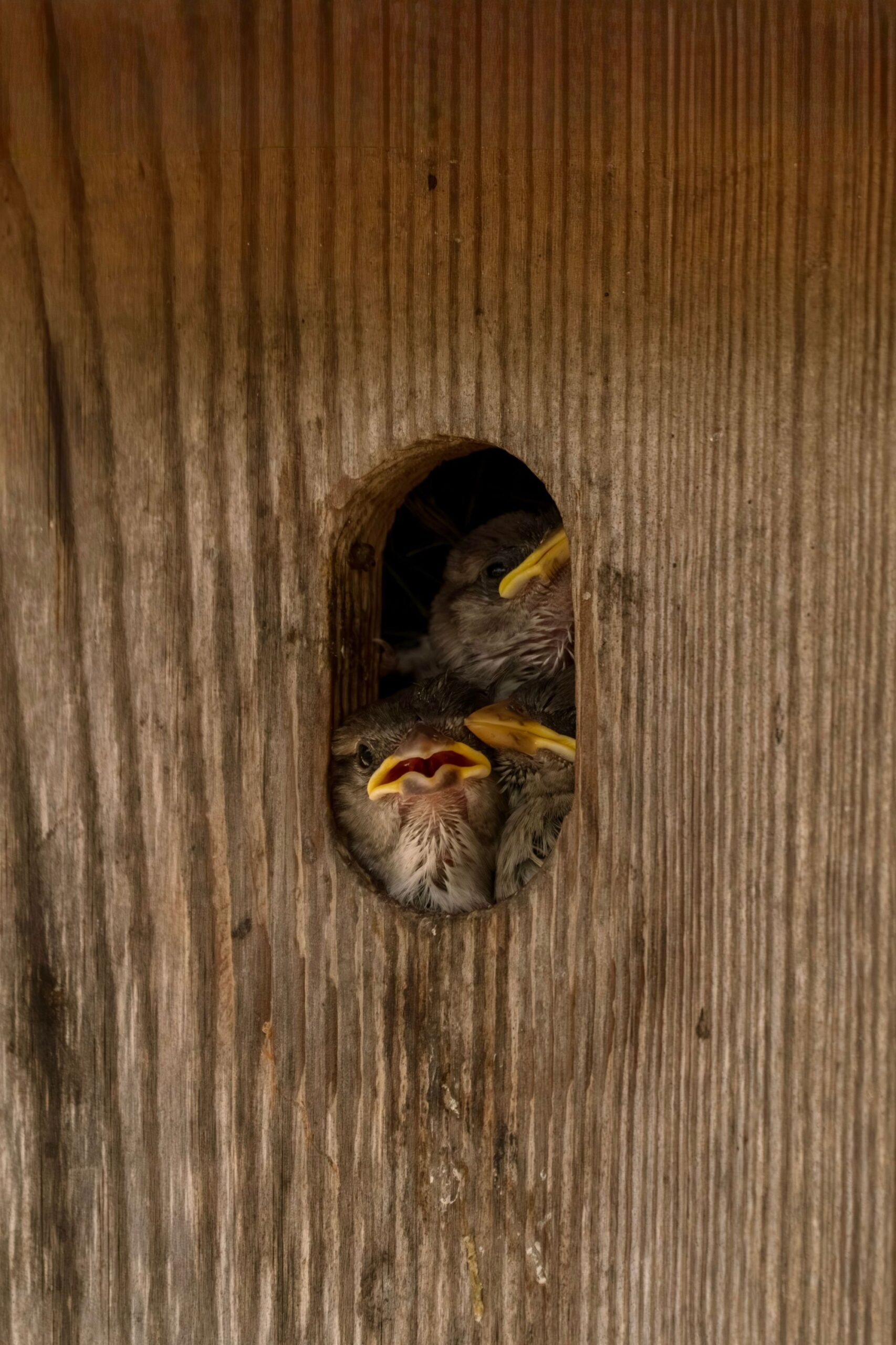
Putting up a birdhouse is only the first step. Regular maintenance helps keep nesting birds healthy and encourages future use. Using untreated wood, providing drainage holes in the floor, and ensuring adequate ventilation are all important features of a safe birdhouse.
Once nesting season has ended and the young have fledged, clean out old nesting material before the next breeding season begins. Removing old nests reduces parasites and helps prepare the box for its next occupants. It’s also important to periodically inspect birdhouses for loose hardware, cracked wood, or leaks that could expose eggs and nestlings to rain or excessive temperatures. With just a little yearly maintenance, a quality birdhouse can provide nesting habitat for many seasons to come.
Birdhouses: Just One Piece of the Conservation Puzzle
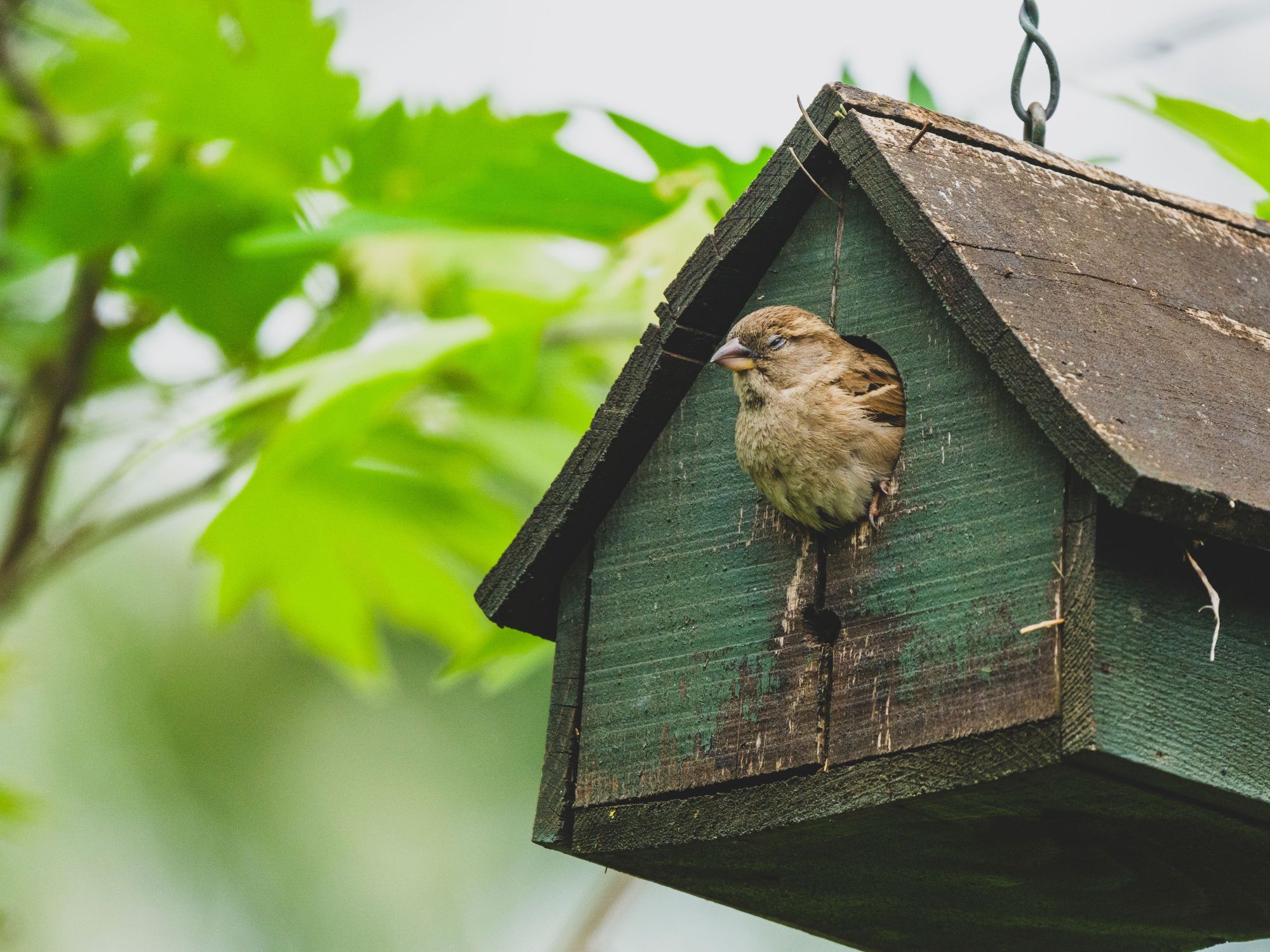
While birdhouses and nest boxes provide valuable nesting habitat, they’re even more effective when combined with other bird-friendly practices. If you’re looking for more ways to make a difference, these Chirp Nature Center resources are a great place to start:
- How to Keep Nest Boxes Cool in Hot Summer Weather
- Should You Remove Old Nests from Birdhouses and Nest Boxes?
- 3 Ways to Help Birds During Nesting Season
- Bird Feeding Tips for Hot Weather
- 8 Ways to Get Your Yard Ready for Summer Bird Feeding
- Let the Leaves Fall and Other Tips for a Wildlife-Friendly Yard
- The Ultimate Guide to Creating a Southern California Bird Sanctuary
- Native, Bird-Friendly, Drought-Tolerant, and Firewise Plant Guide for the Big Bear Valley
- How Climate Change Affects Wild Birds (and What We Can Do)
- Plastic Pollution: A Major Threat to Birds and Our Environment
- How You Can Help the Declining Bird Population
- Bird Conservation Organizations We Love