
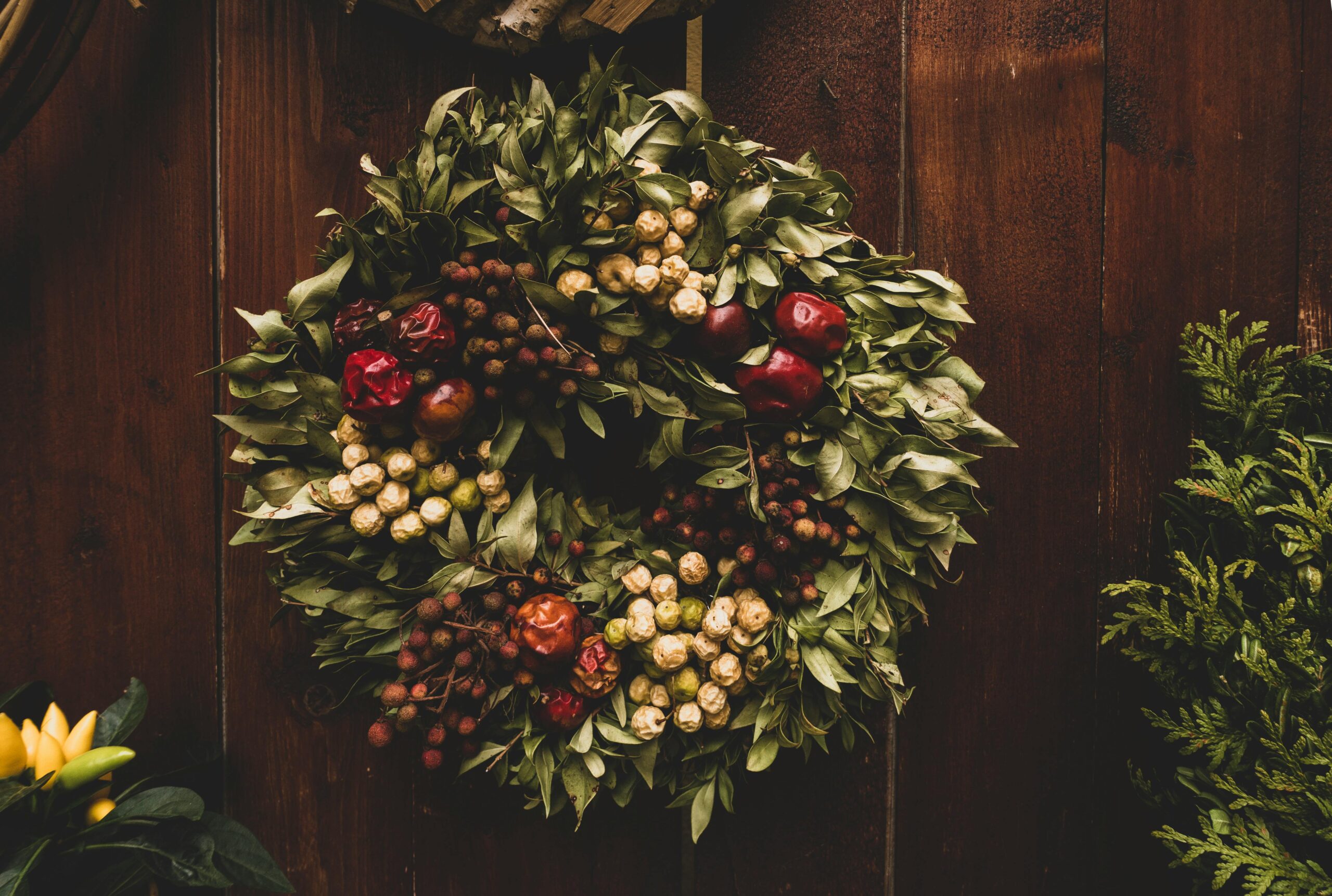
You can turn any wreath into a bird-friendly one with just a few thoughtful choices about which materials to use. But what exactly makes a bird-friendly wreath different from a regular holiday wreath? Which materials are safe for wild birds, and which should you avoid? And what about preserved wreaths, are they okay for birds? We’ll walk you through everything you need to know to craft a holiday wreath that’s stunning, safe, and even beneficial for local birds.
Bird-Friendly or Bird Seed Wreath?
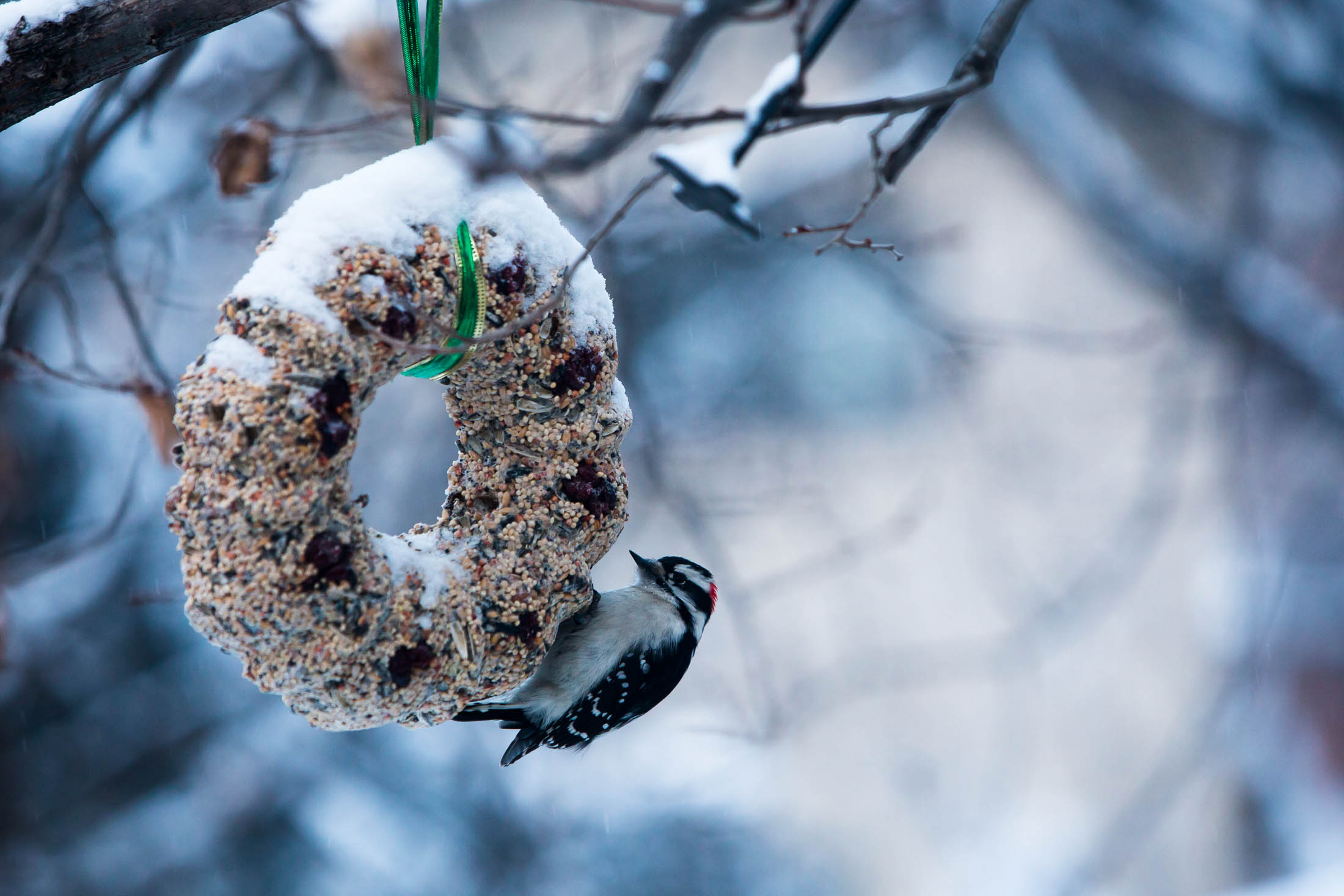
When talking about wildlife-friendly wreaths, a bird-friendly wreath can include bird seed, but it doesn’t have to. A bird-friendly wreath is one that is made from materials that pose zero risk to birds, whereas a bird seed wreath is both safe and includes a nutritious treat for them. And, hey, we’re here for both! (The National Audubon Society has an easy DIY bird seed wreath step-by-step guide, even if you’re not very crafty.)
Why Make a Bird-Friendly Wreath?
Our Big Bear Lake winters can be brutal. Done correctly, a bird-friendly wreath can provide birds with shelter from snow, a resting spot after long migrations, and easy access to food to fuel them through the winter. And for you? You get to watch birds up close—just peek out your window!
Are Preserved Wreaths Okay for Birds?
Though preserved wreaths may look natural, they are often treated with chemicals that can be harmful to birds. Natural greenery is coated with synthetic dyes, alcohols, sealants, and other products that birds can ingest or carry back to their nests, potentially poisoning them and their young. To keep your wreath safe, opt to air dry natural greenery instead; it will stay fresh and green (and bird-safe) for weeks—enough to last throughout the holiday season.
How to Make a Bird-Safe Holiday Wreath
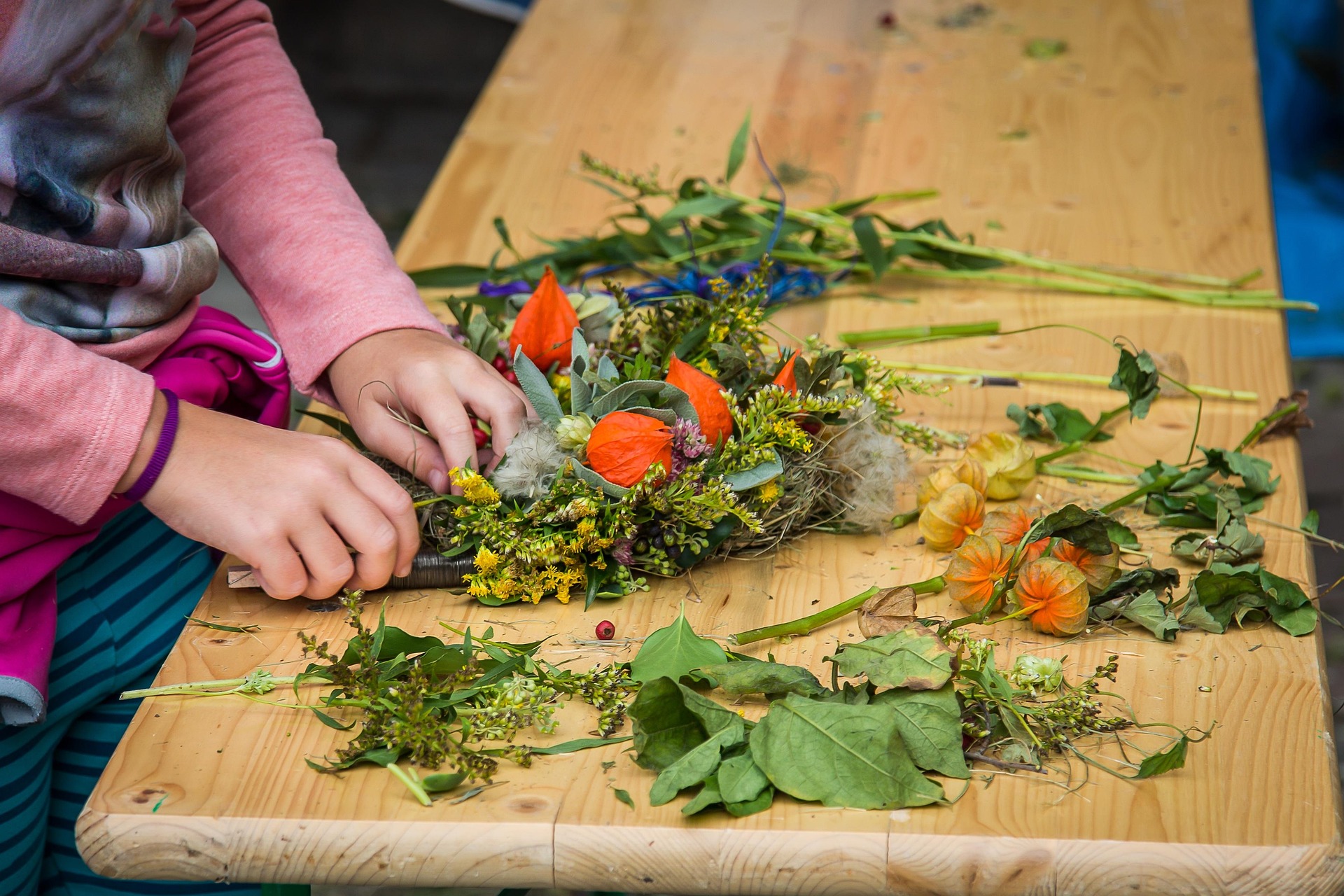
- Start with a wreath base. Grapevine, willow branch, and Manzanita branches are all great choices, either store-bought or handmade.
- Add your greenery.* Use dried, natural items like pine and spruce boughs, leaves, and flowers. Layer the greenery around the frame, securing each piece by tucking it into gaps in the base.
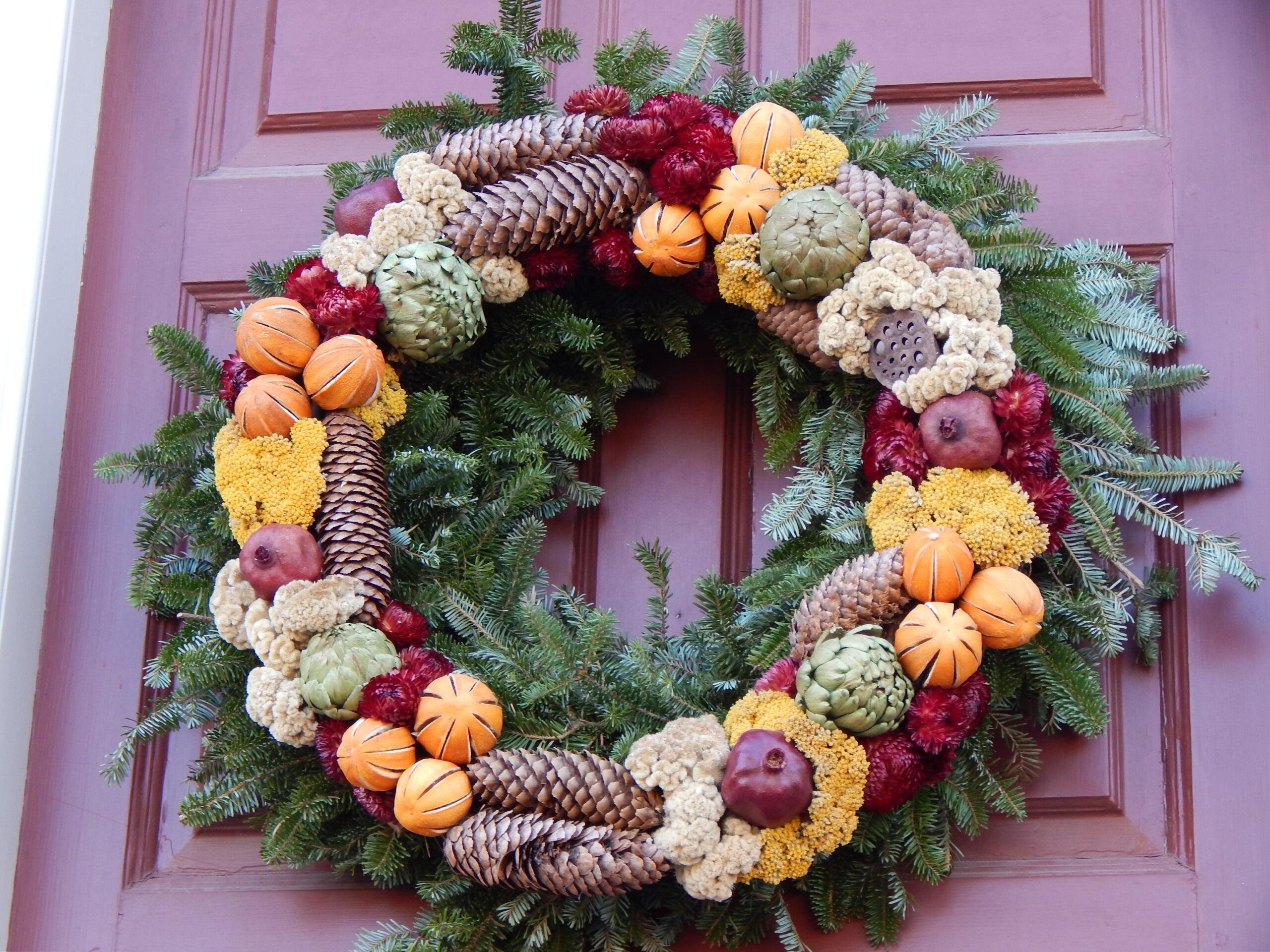
- Decorate with natural elements.* Choose untreated, biodegradable items that you can find on a nature walk: pinecones, acorns, and other forageable items.
- Sprinkle in bird-healthy treats (optional).* Entice birds with dried orange slices, millet bundles, and other safe edible arrangements.
- Attach a natural ribbon for hanging.* Use wide, natural-material ribbons like cotton or jute to prevent birds from getting tangled.
*See more choices from the “Materials to include” list below.
Materials to Include
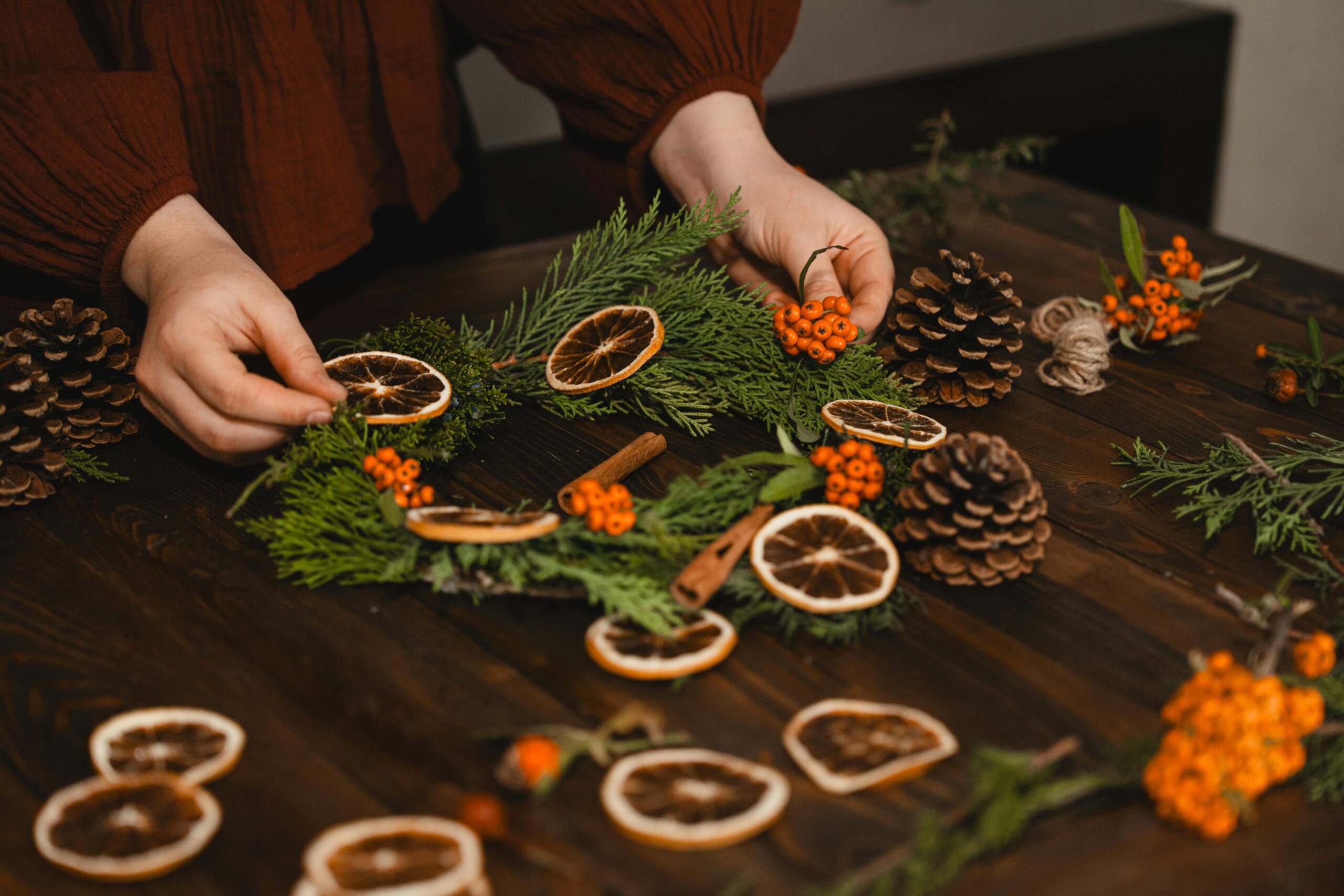
These are natural, non-toxic, untreated items that are safe (and in some cases edible) for birds:
- Natural greenery (Pine, fir, cedar, spruce, cypress, juniper, etc.)
- Dried leaves and grasses
- Twigs and tree branches
- Fresh-cut and dried flowers
- Dried fruits (orange and apple slices, juniper berries, cranberries, etc.)
- Wheat stalks
- Dried, untreated herbs (rosemary, thyme, etc.)
- Unsalted and shelled peanuts, almonds, and walnuts
- Pinecones
- Acorns
- Seed pods
- Millet clusters
- Wide, natural ribbons (cotton, jute, burlap, hemp, wool, etc.)
Materials to AVOID
These items can trap birds or cause illness if ingested:
- Artificial berries
- Glitter sprays
- Fishing line
- Tinsel
- Paint
- Hot glue
- Thin, synthetic strings and ribbon
- Mesh or netting
- Fake beads and garlands
- Lace
- Plastic
- Artificially scented pinecones
- Fake/spray-on snow
- Lights
Hanging Your Wreath
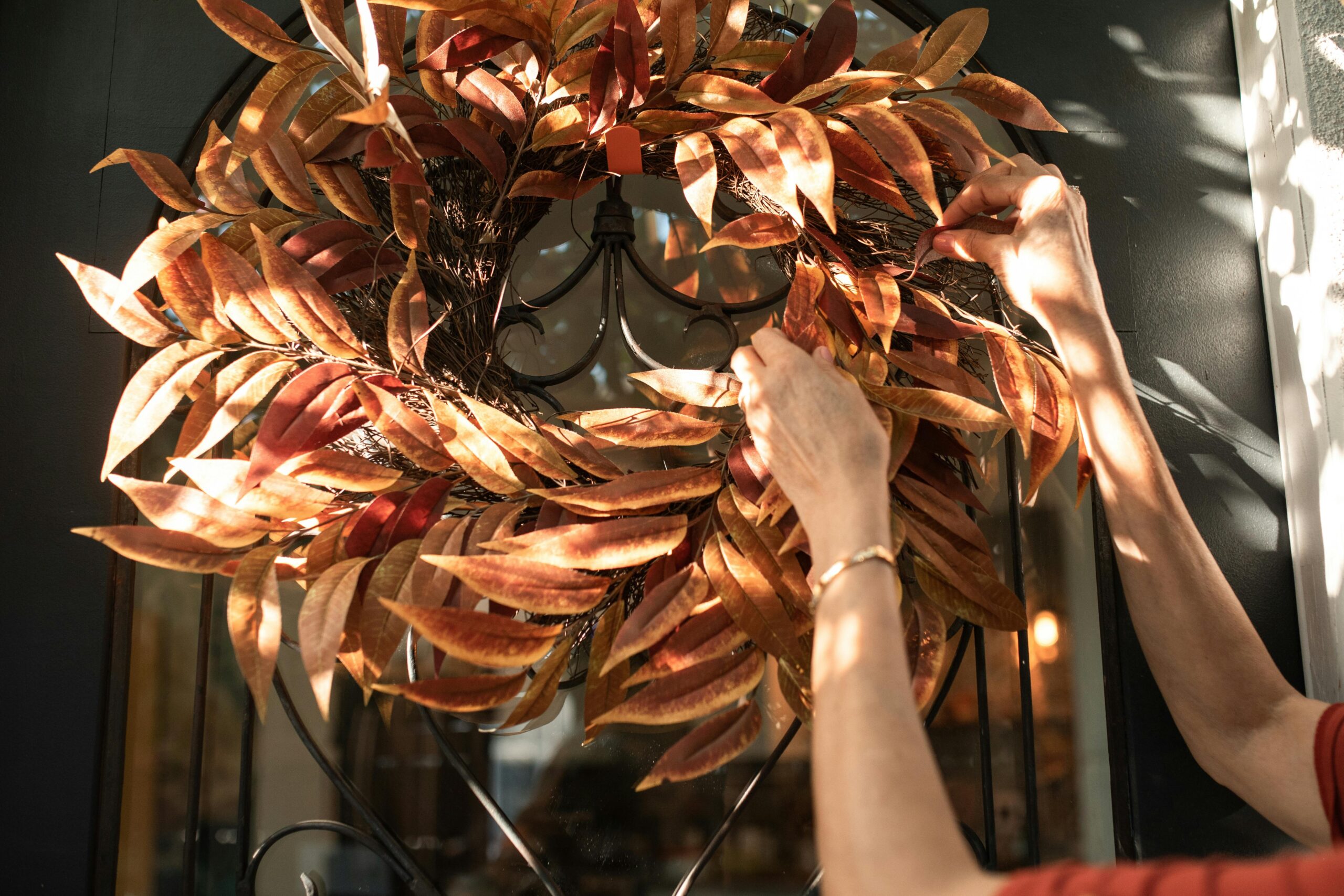
- Hang it high. Hang your wreath at least 5 feet off the ground, so birds can safely find it.
- Choose a sheltered location. Hang your wreath where birds feel secure, like under an overhang or near shrubs or trees. Shelter from wind, rain, and snow will also keep your wreath looking fresher longer.
- Be cautious about window placement. Birds may see a wreath opening as a clear flight path. If hanging on or near a window, use decals to prevent window strikes.
- Keep cats away. As the number one threat to wild birds, cats should be kept far away from the wreath if you want birds to enjoy it.
Keeping Your Wreath Fresh All Season
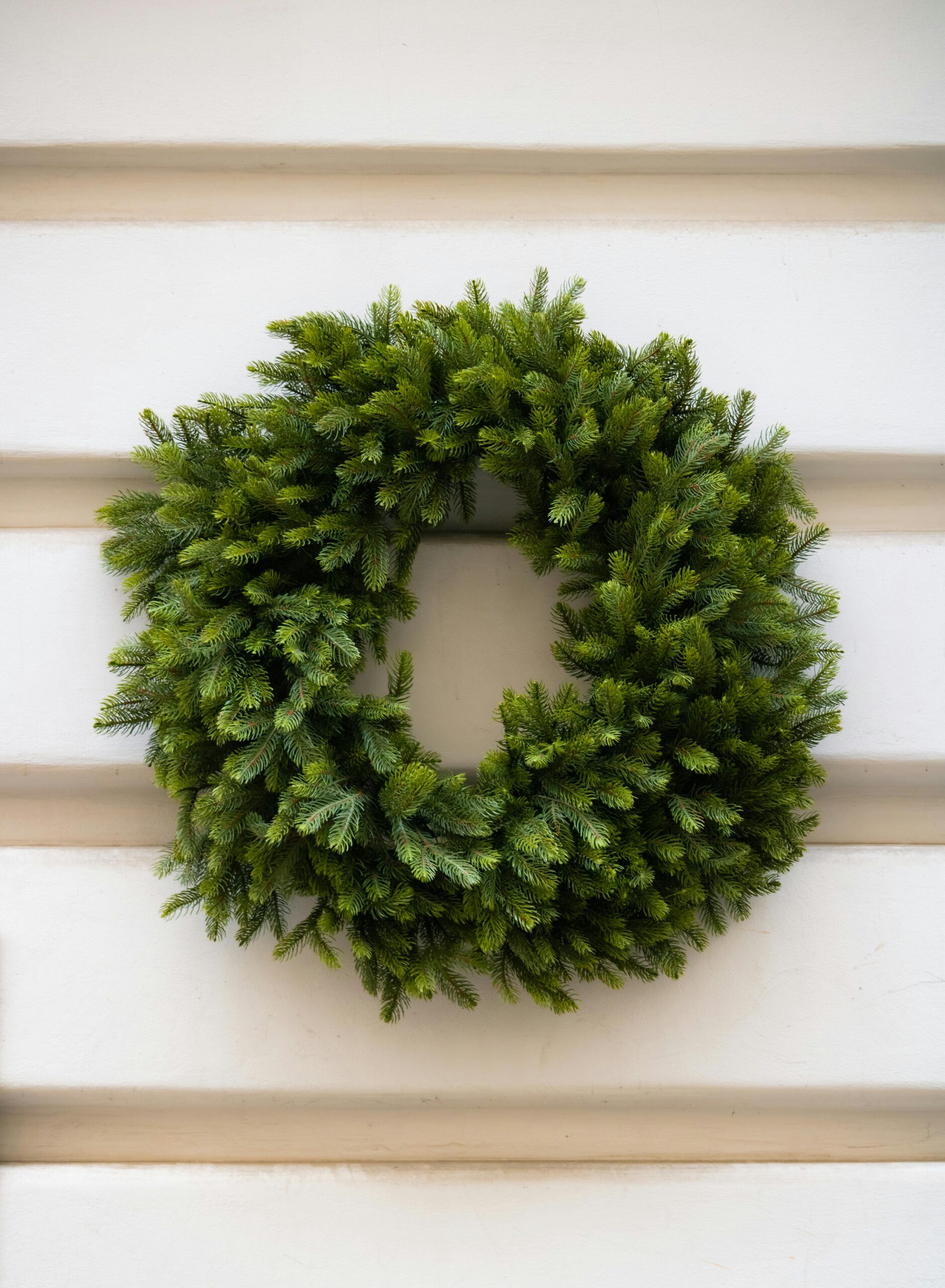
- For fresh wreaths: Mist lightly every few days to prevent drying out or browning. Replace dried-out, browning elements with fresh as needed. Remove any rotting or moldy items.
- For dried wreaths: Maintenance is minimal. Check dried fruit for rehydration (which can happen in wet weather) and mold. Inspect the wreath at least once a week, removing any moldy elements immediately.
Winter is For the Birds
- How to Have a Wildlife Friendly Christmas Tree
- Why Doves are the Symbol of Peace and Other Dove Facts
- Winter is For the Birds: The Importance of Winter Wild Bird Feeding
- More Winter Bird Feeding Tips
- Do Birds Need Water in Winter?
- Surviving Winter: Why Wild Birds Need Us (and We Need Them)
Photo credit for bird seed wreath: Flickr