
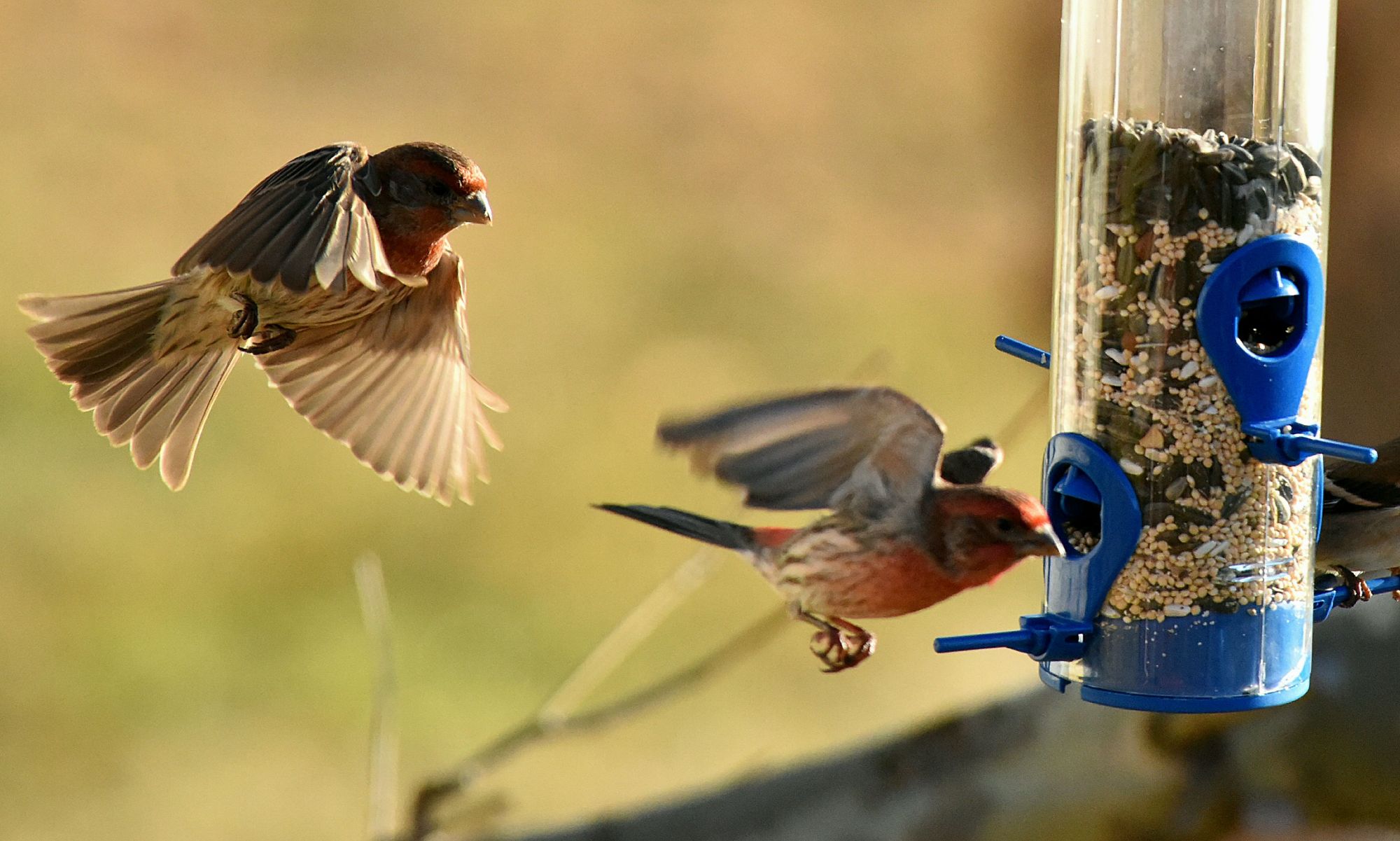
What’s on your backyard birds’ menu this month? It depends! Just like our own appetites change with the seasons, birds’ nutritional needs shift throughout the year. A cold January morning in Big Bear Lake calls for something very different from a warm July afternoon. Add spring and fall migration, nesting season, and changing natural food supplies to the mix, and keeping your feeders stocked can start to feel a little complicated. And that’s where this guide comes in.
We’ve shared plenty of bird feeding advice over the years, but this Southern California bird feeding guide brings it all together in one place. Bookmark it, print it, or simply check back when you’re wondering what to put in your feeders this month.
What Should You Feed Birds in Southern California?
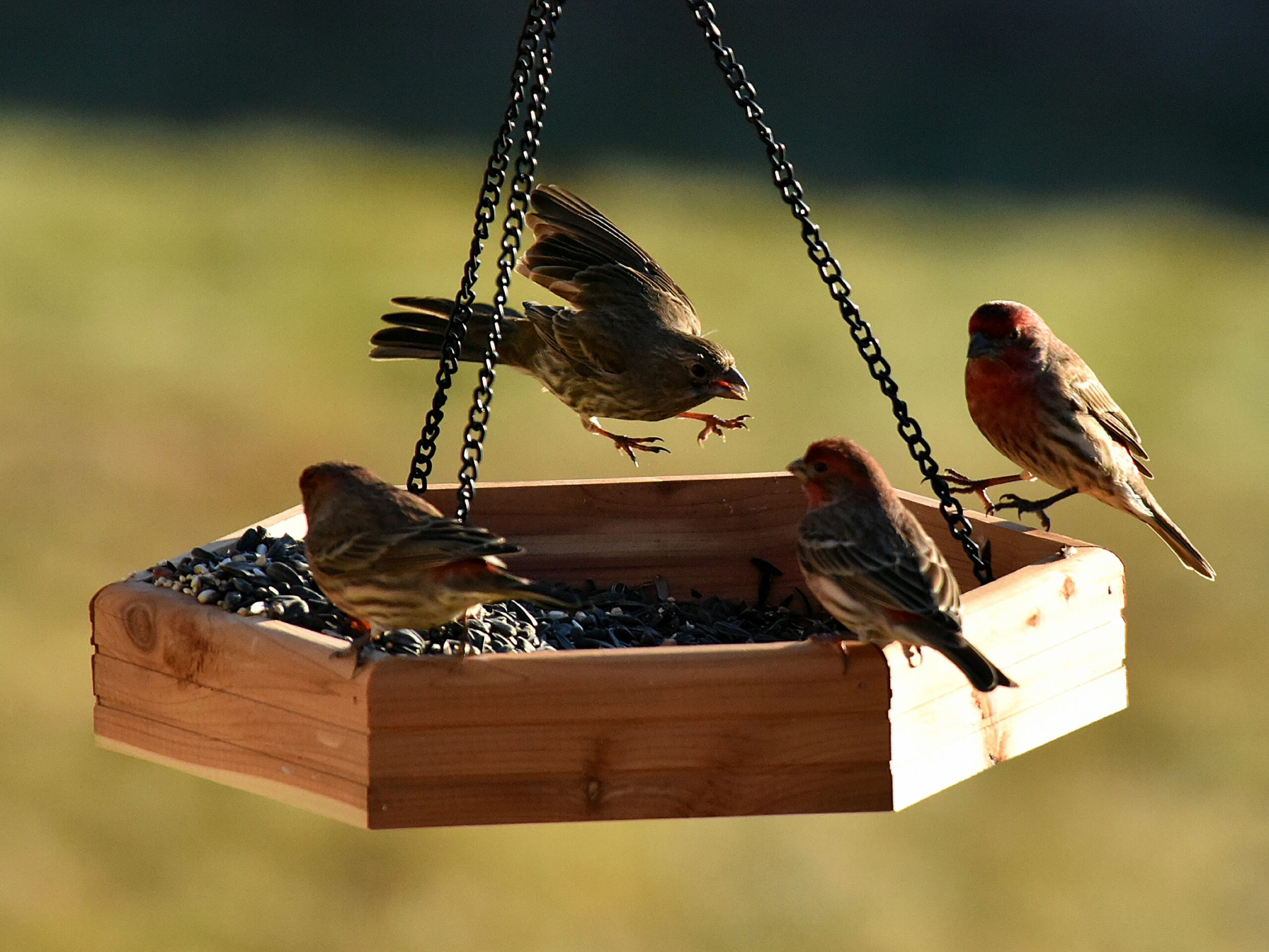
Before we get to the calendar, there’s one bird food that deserves a permanent spot in your pantry: black-oil sunflower seed.
With its thin shell and high energy content, black-oil sunflower is a favorite of a wide variety of feeder birds. In Big Bear, that includes familiar visitors like chickadees, nuthatches, finches, jays, sparrows, and woodpeckers.
A high-quality seed blend is another easy year-round option. Chirp’s Big Bear Blend, for example, combines black-oil and hulled sunflower seeds with safflower and a little millet, offering something for a variety of local birds.
But you don’t have to stop at seed. Nyjer, peanuts, suet, mealworms, fruit, and nectar can help you welcome an even more diverse bird crowd throughout the year.
Southern California Bird Feeding Calendar: What to Offer Each Month
| Month | Bird Foods to Offer | Why |
| January | Black-oil sunflower, high-quality seed blends, peanuts, suet | High-fat, energy-rich foods help resident birds through Big Bear’s cold and snowy winter weather. |
| February | Black-oil sunflower, sunflower hearts, Nyjer, peanuts, suet | Natural food can still be scarce, making reliable feeder food especially welcome. |
| March | Black-oil sunflower, Nyjer, peanuts, suet, nectar | Spring migration begins, increasing the need for accessible, energy-rich food. |
| April | Sunflower seed, Nyjer, peanuts, mealworms, nectar | Migrants are arriving or passing through, while resident birds prepare to nest. |
| May | Sunflower seed, Nyjer, mealworms, nectar | Breeding and nesting are in full swing, making protein-rich food particularly useful. |
| June | Sunflower seed, Nyjer, mealworms, nectar | Adult birds are raising young while hummingbirds remain active around nectar sources. |
| July | Sunflower seed, Nyjer, mealworms, nectar | Continue summer feeding, while paying extra attention to freshness and feeder cleanliness. |
| August | Sunflower seed, Nyjer, mealworms, nectar | Late-summer birds are still active, and some species begin preparing for fall migration. |
| September | Black-oil sunflower, Nyjer, peanuts, nectar, no-melt suet | Migrating birds need calorie-dense food to fuel long journeys. |
| October | Black-oil sunflower, Nyjer, peanuts, suet | Fall migration continues while temperatures begin dropping in the mountains. |
| November | Black-oil sunflower, high-quality seed blends, peanuts, suet | Resident and wintering birds benefit from increasingly high-energy foods. |
| December | Black-oil sunflower, sunflower hearts, peanuts, suet | Winter feeding season is here: think fat, protein, calories, and consistency. |
Consider this calendar a starting point rather than a strict schedule. Weather and migration patterns vary, and many of these foods—especially sunflower seed—can be offered year-round.
Winter Bird Feeding in Big Bear Lake: January and February
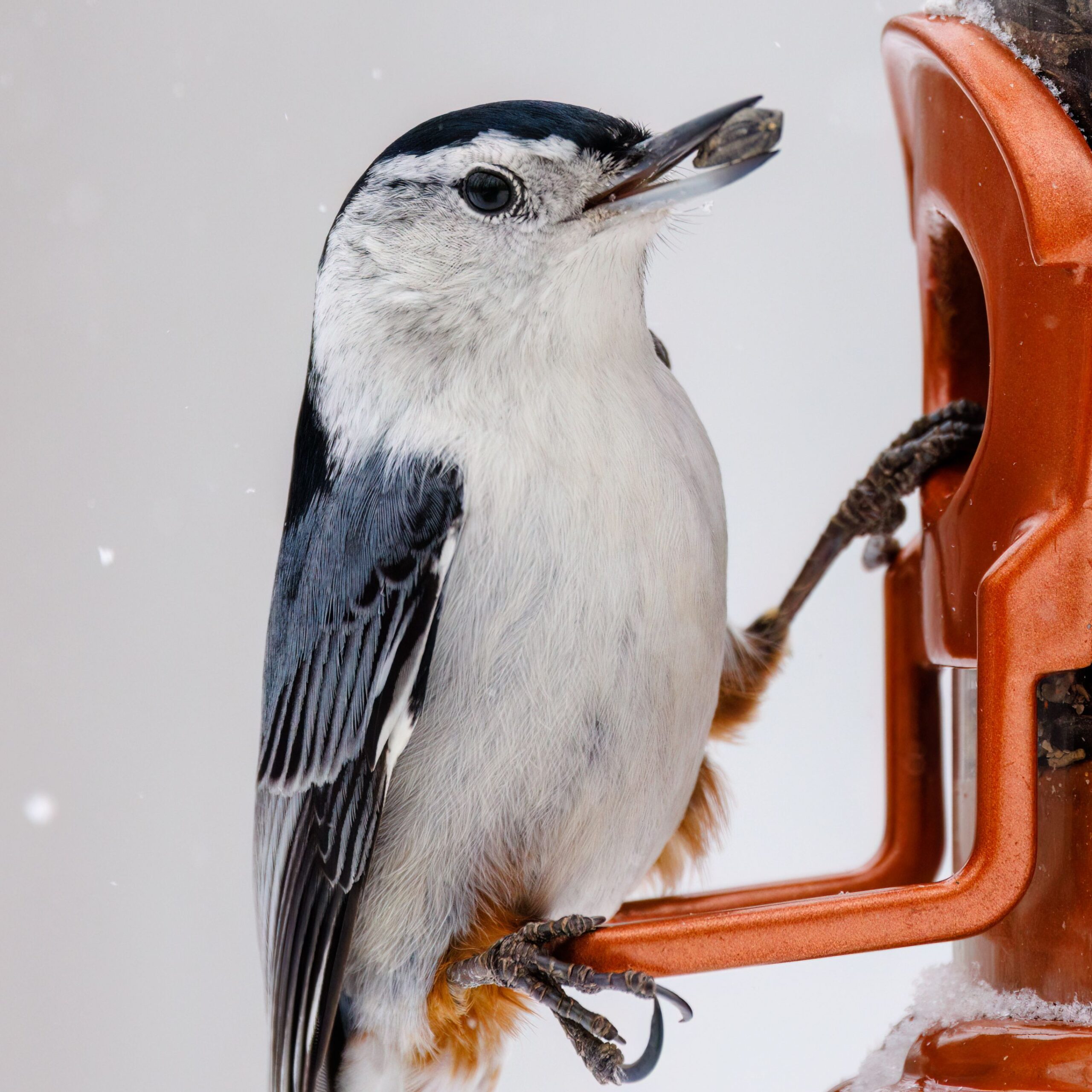
Winter is when a Big Bear backyard feeder can really shine. Birds burn precious energy simply staying warm, while snow and freezing temperatures can make naturally available seeds, berries, and insects harder to find. High-fat, calorie-dense foods are the name of the game.
Keep feeders stocked with black-oil sunflower seed, sunflower hearts, peanuts, and suet. Suet is especially valuable during cold weather because its high fat content provides a concentrated source of energy. Big Bear suet visitors may include Mountain Chickadees, White-breasted and Red-breasted Nuthatches, Northern Flickers, Steller’s Jays, and other woodpeckers.
Spring Bird Feeding in Big Bear Lake: March Through May
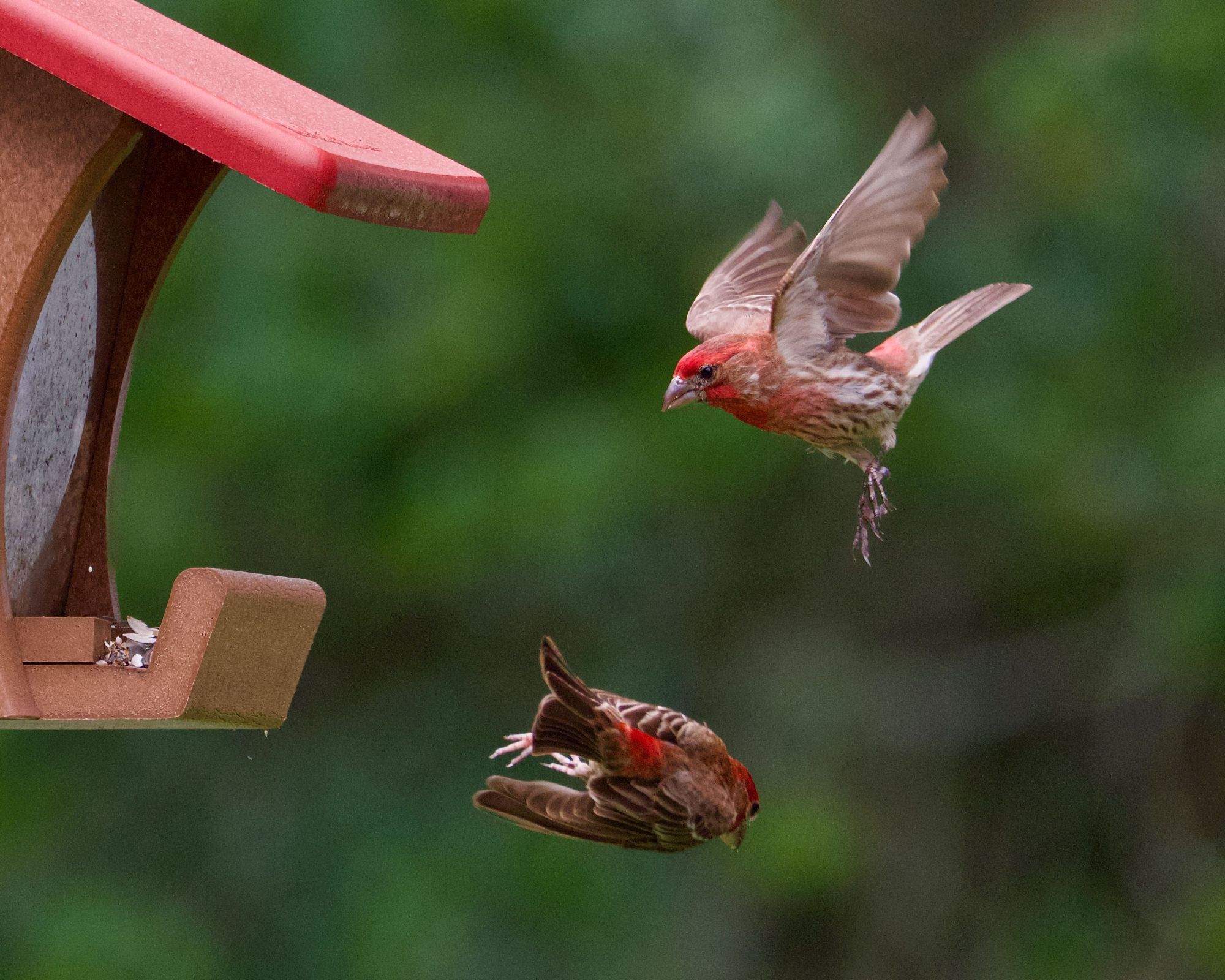
Spring means migration, nesting, and lots of hungry birds. Big Bear Lake lies along the Pacific Flyway, bringing migrating birds into and through the San Bernardino Mountains. Orioles, tanagers, flycatchers, hummingbirds, and other migrants may stop in the area to rest and refuel, while resident birds turn their attention to breeding and raising young.
Continue offering sunflower seed and Nyjer, and consider adding mealworms for insect-eating birds. Peanuts and suet can provide extra energy during cooler spring weather, while nectar feeders welcome hummingbirds.
For hummingbird nectar, stick to the tried-and-true recipe: one part plain white sugar to four parts water, with no red dye, honey, or artificial sweeteners.
Summer Bird Feeding in Big Bear Lake: June Through August
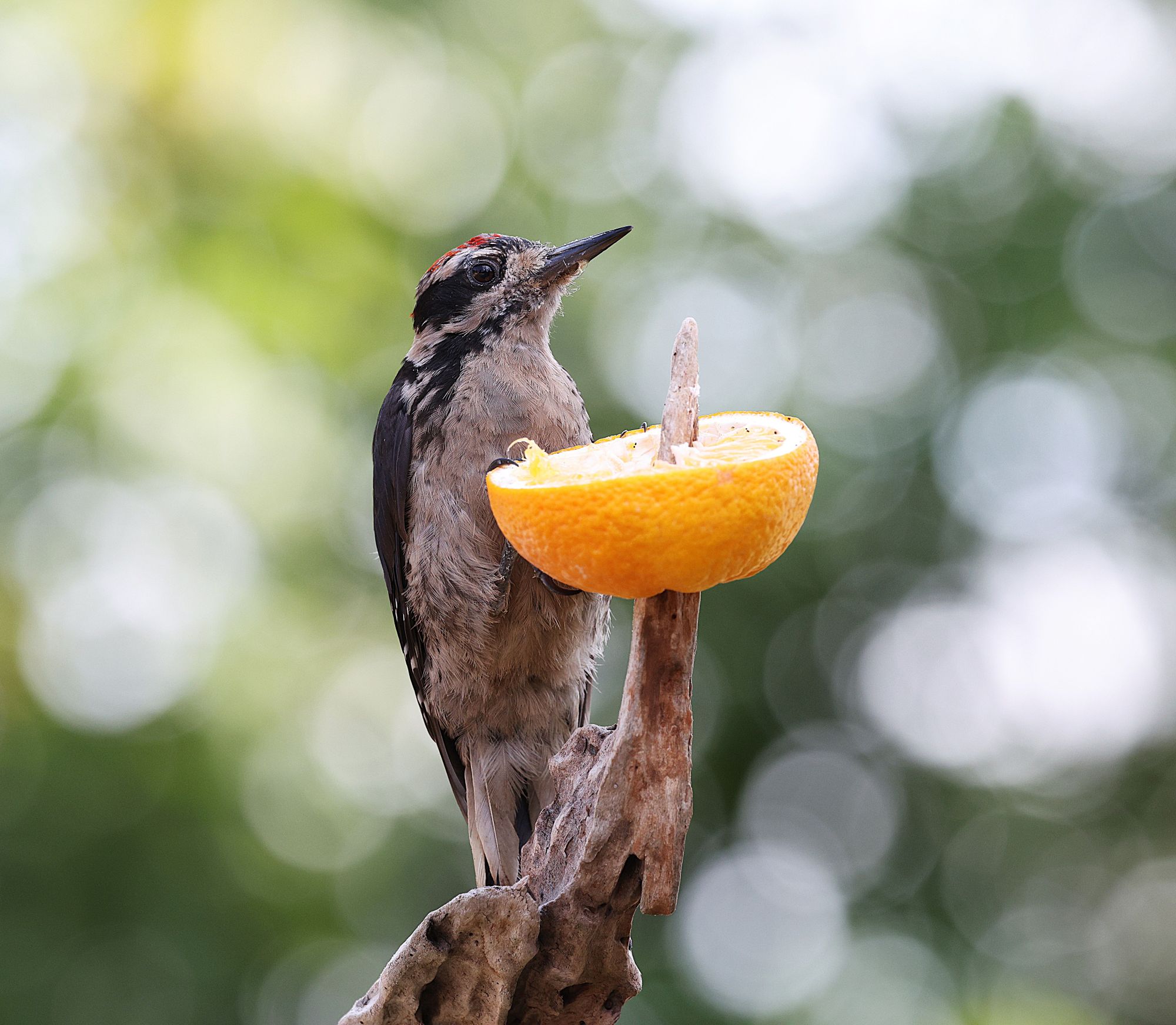
There’s no need to pack away your feeders once summer arrives. Seed, Nyjer, mealworms, and hummingbird nectar can continue supplementing the natural foods available during the season. But warm temperatures make freshness and cleanliness especially important.
Traditional suet can spoil or become rancid in hot weather, so use a no-melt variety if you want to continue offering it during warm spells. Nectar also spoils faster when temperatures climb, making frequent hummingbird feeder cleaning essential.
And don’t forget the water! A clean birdbath gives birds a place to drink and bathe when Southern California temperatures rise.
Fall Bird Feeding in Big Bear Lake: September Through November
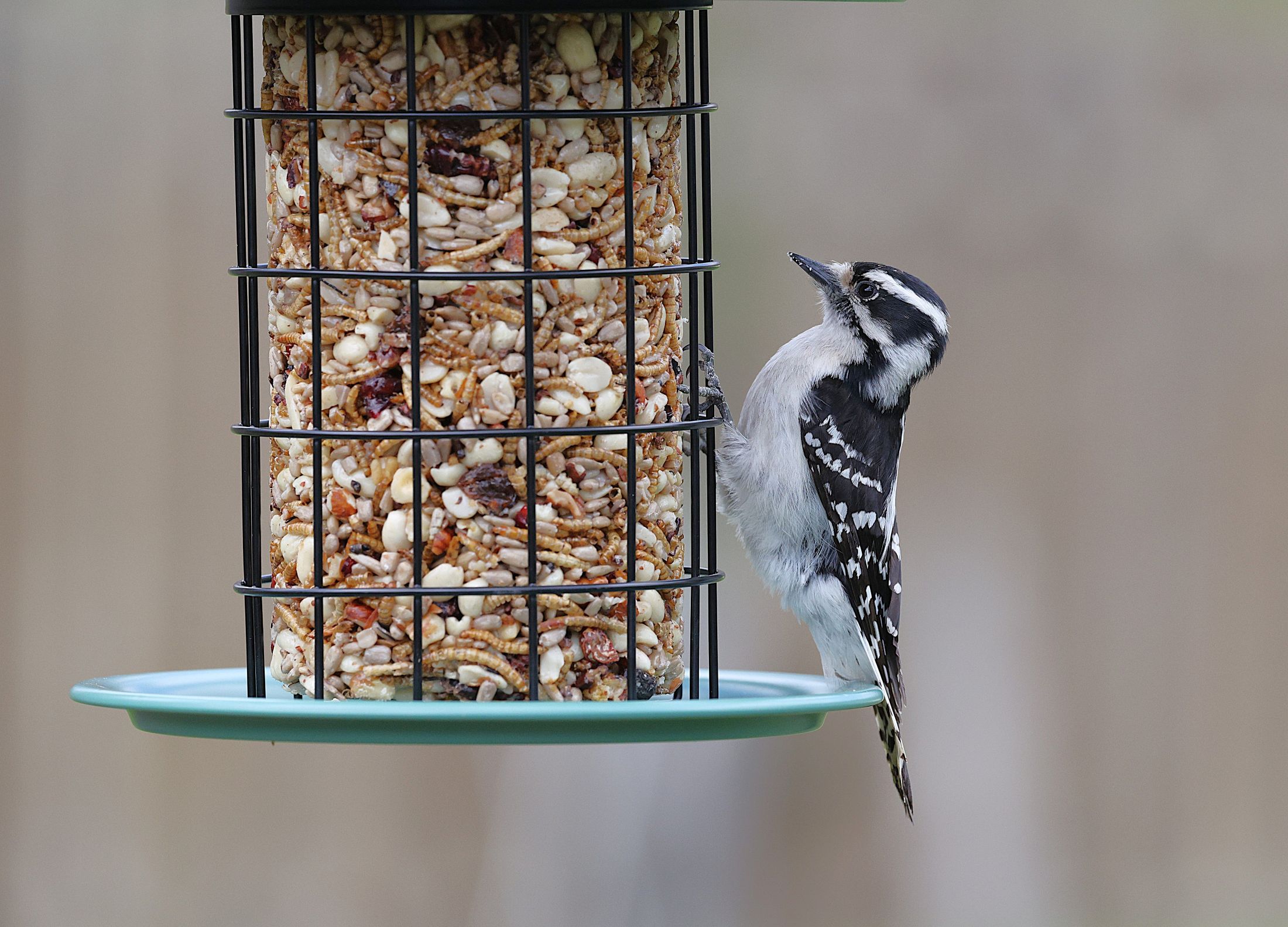
Fall is migration fuel-up time. Migrating birds need enormous amounts of energy for their journeys, while year-round Big Bear residents are preparing for colder days ahead. As temperatures drop, calorie-rich foods like black-oil sunflower seed, peanuts, Nyjer, and suet become increasingly useful for resident birds, while migrating birds benefit from reliable places to refuel.
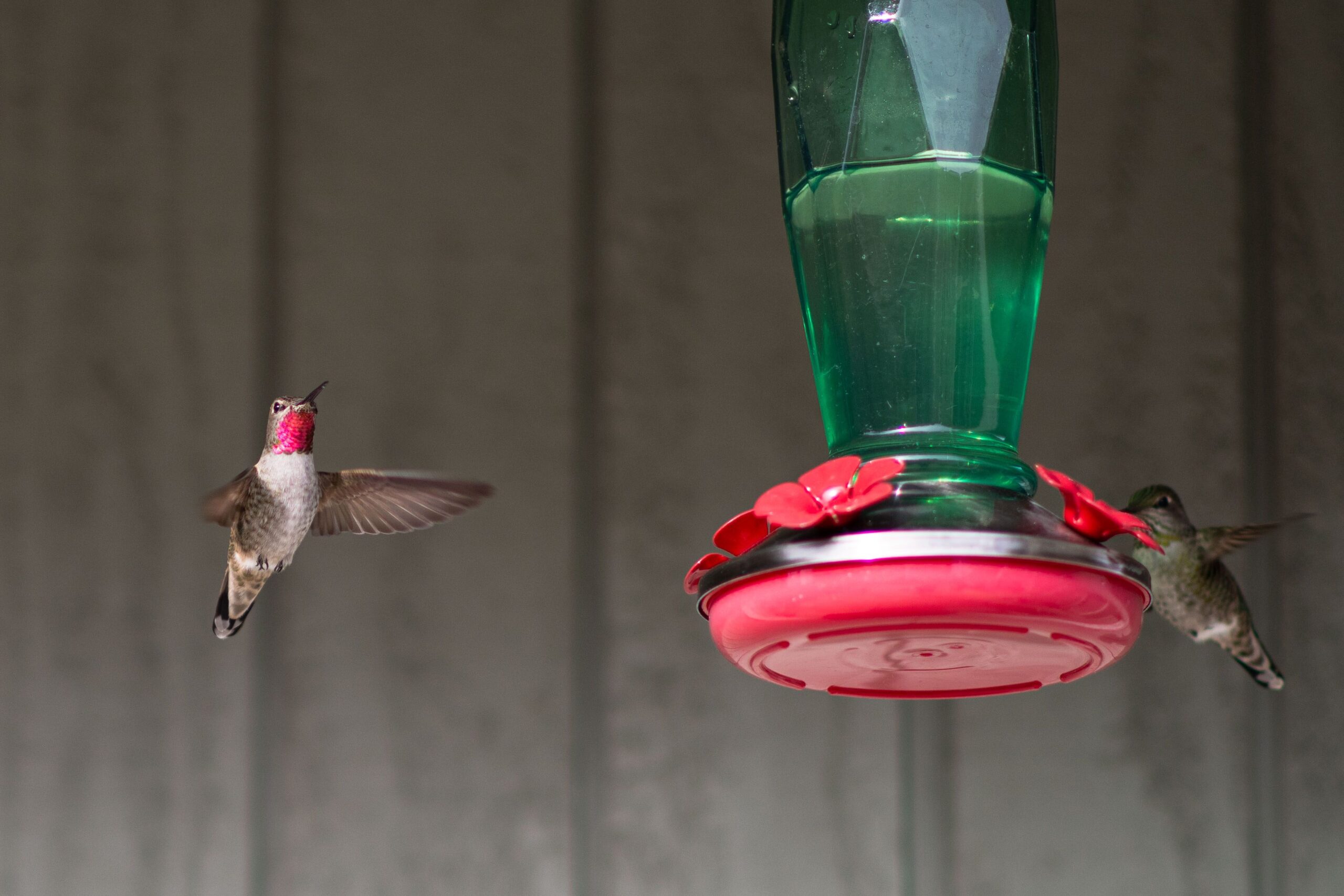
Keep hummingbird feeders available while migrating hummingbirds are still visiting. Feeding hummingbirds won’t prevent them from migrating; their migratory instincts are driven by factors such as changing daylight, not the presence of your feeder.
By November, transition fully into your winter routine with reliable supplies of high-energy seed and suet.
Feed Birds—and Support Their Natural Food Sources
Bird feeders are only one part of a bird-friendly backyard. Native plants provide birds with seeds, berries, nectar, and insects, along with shelter and nesting habitat. Leaving some seed heads and leaf litter in place, avoiding pesticides, providing fresh water, and planting native trees, shrubs, and flowers can turn your yard into a year-round natural buffet.
You’ll also waste less by choosing quality seed that birds actually eat, cleaning spilled seed from beneath feeders, and storing bird food properly to keep it fresh and discourage pests. The result? A healthier backyard ecosystem, and plenty of opportunities to enjoy the amazing variety of birds that call Big Bear Lake and Southern California home.
Want to know who might show up for dinner? Check out Chirp’s Wild Bird Checklist for the Big Bear Area, and start keeping track of your feathered visitors!
And join us on September 12th for Chirp’s LAST Bird Walk of 2026! Register for this FREE EVENT today!