
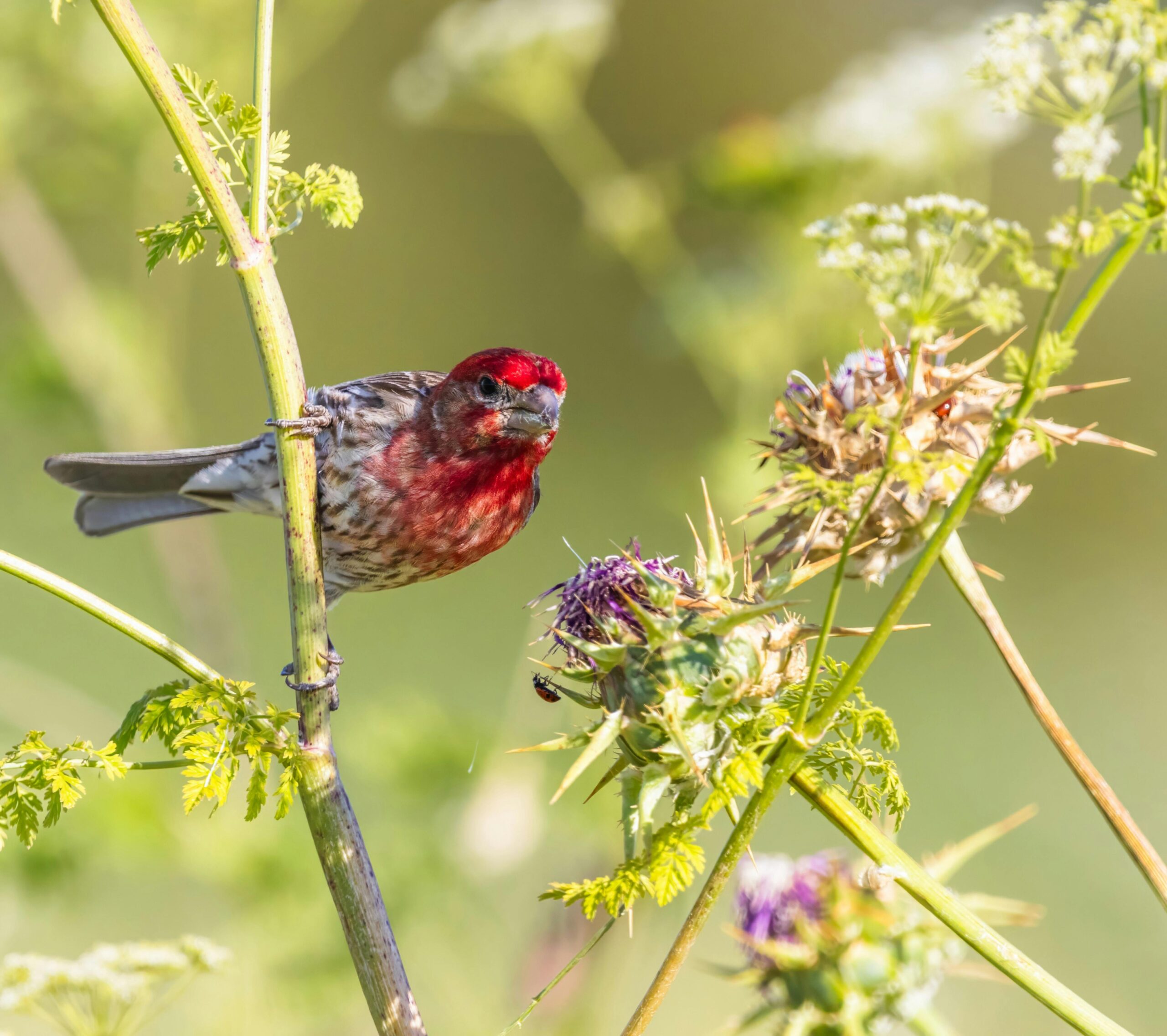
Spring in Big Bear Lake is a particularly beautiful time. After the snow melts, it seems like almost overnight, the birds appear. Some are just passing through, stopping briefly to rest and refuel on their long, migratory journey. Others are arriving home, readying to pair up, nest, and raise young. And your backyard? It can play a key role in this cycle of life for birds.
If you’ve ever wondered how to start your spring bird feeding off right, or you’re a beginner in the world of backyard bird feeding (and, hey, no shame! Welcome, fellow nature lover!), we’re here to help.
Why Spring Bird Feeding Matters
Spring is one of the most energy-draining seasons in a bird’s life. Migratory birds are literally coming and going—arriving from long flights or preparing to move on. Resident birds are shifting into breeding mode: building nests, laying eggs, and foraging to support their young. As a result, access to reliable, high-quality food during this time can matter more than you think for birds in this vulnerable season.
What to Feed Birds in Spring
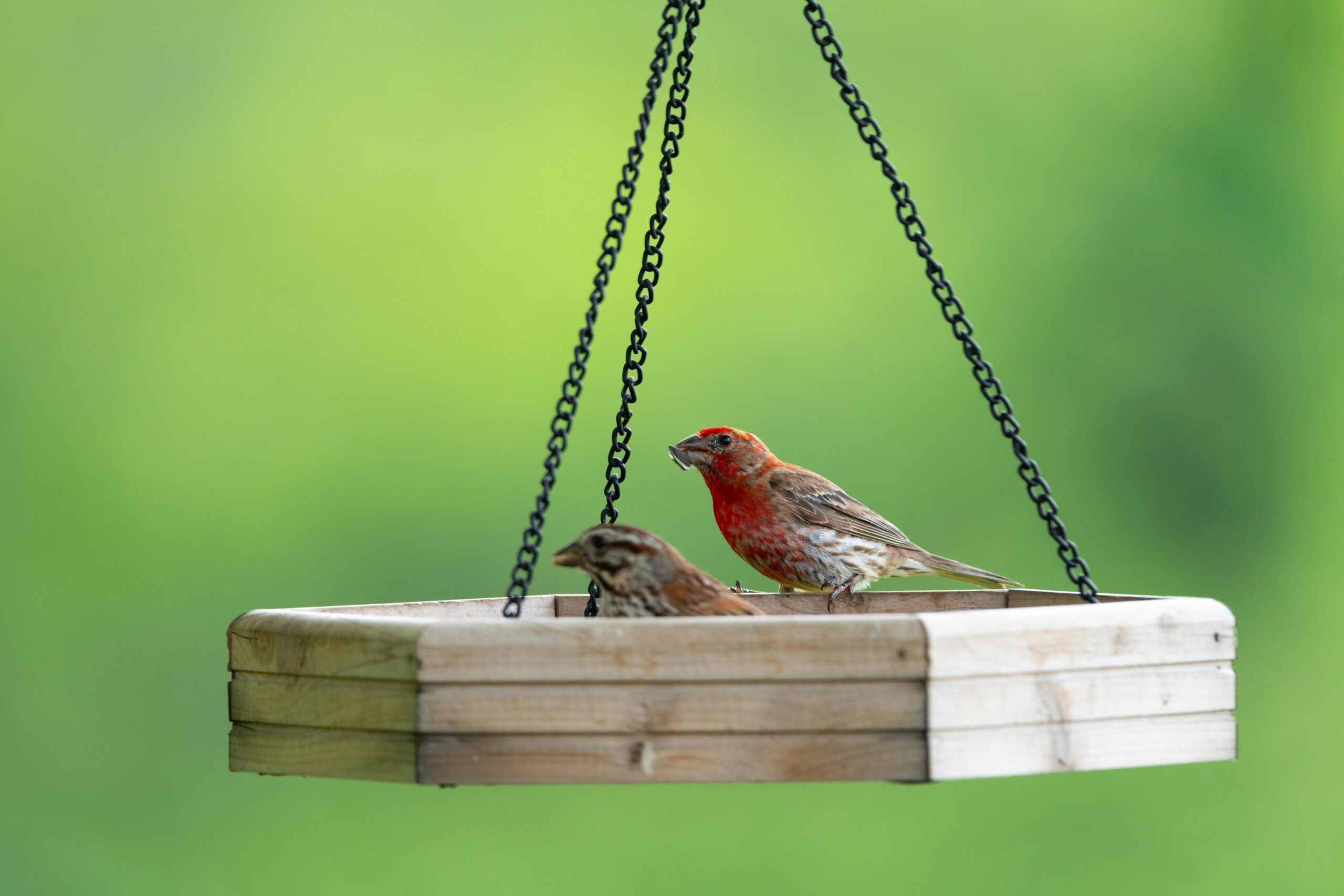
With spring bird feeding, it’s about quality over quantity. (Well, quantity can be great too—hanging multiple bird feeders filled with nutrient-dense food is ideal, but not always possible.) You want to look for fat- and protein-rich foods to support sustained, steady energy for migration and nesting.
Springtime bird food basics
Look for bird seed mixes that contain one or all of these ingredients:
- Black oil sunflower seeds
- Hulled sunflower
- Nyjer seed
- Peanuts
- Suet or high-fat blends
Want to know which bird seed attracts what birds? Check out Chirp’s “Eating Like a Bird” guide!
What NOT to feed birds
We’ve talked about what to do, but it’s equally important to know what to avoid when feeding the birds. Because even with the best intentions, some common human foods can do more harm than good.
Though not an exhaustive list, here are some foods to AVOID:
- Bread
- Processed or salty foods
- Moldy or spoiled seed
- Oatmeal
- Salted nuts
Where to Place Spring Bird Feeders for Best Results
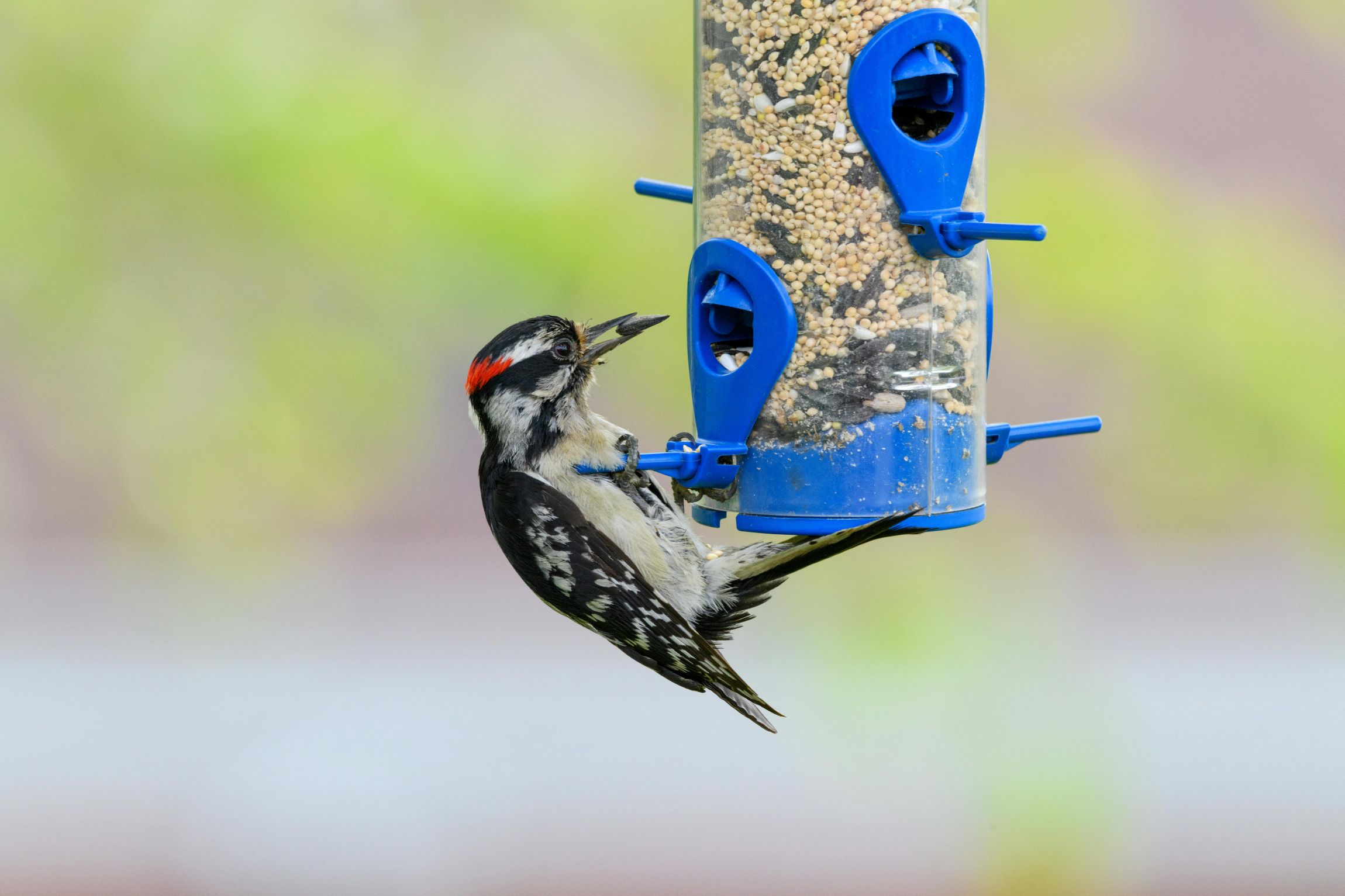
You can have the best bird seed in the world, but if your bird feeder is in the wrong place, it won’t matter. A well-placed bird feeder helps birds feel safe, reduces stress, and makes it more likely they’ll return.
Bird feeder placement best practices
Keep bird feeders near natural cover
Birds prefer feeders that are close to trees or shrubs (about 5–10 feet away). This gives them natural cover, and a quick escape route from predators.
Avoid placing feeders too close to windows—or too far away
To reduce the risk of window collisions, a safe guideline is to hang your bird feeder within three feet of a window, or more than 10 feet away from it.
Space multiple feeders out
If you have multiple feeders, give them a bit of distance from one another. This reduces the risk of birds fighting at your feeders, especially during busy spring migration periods when food competition is fierce.
Keep things consistent
Once birds find a reliable food source, they remember it. Try not to move feeders around too often during the season.
Supporting Migratory Birds Passing Through
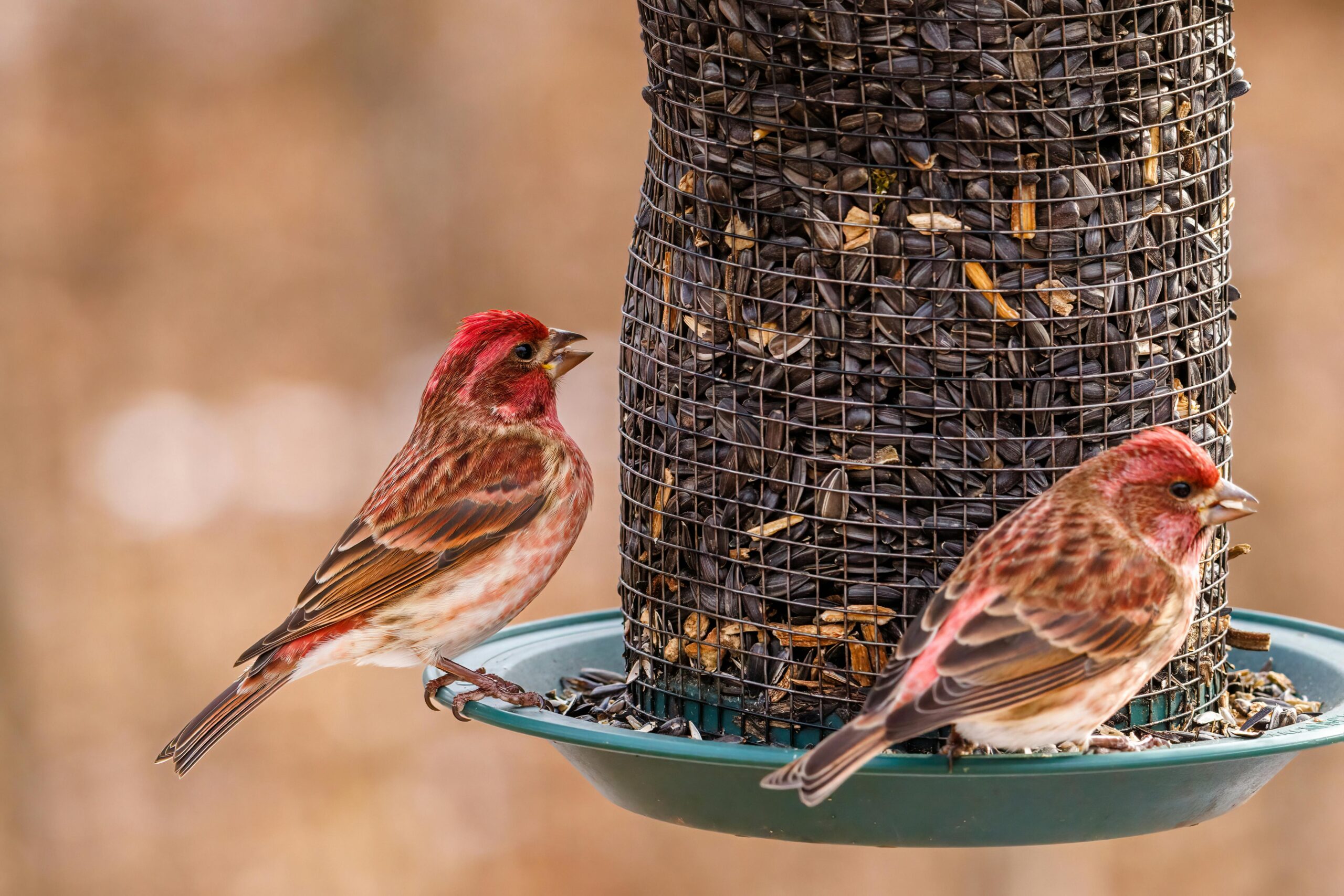
Big Bear Lake sits within the Pacific Flyway, one of North America’s major migratory routes. Many birds stop in our mountain town to reup their energy needs, so it’s a wonderful opportunity to support birds we may see only briefly each year. But remember: these birds are on tight timelines! They need reliable food (and water) sources, and they need them fast.
Tips for supporting migratory birds in spring:
- Keep bird feeders full
- Offer a variety of seeds to attract different species
- Provide a fresh, clean water source (birdbath, fountain, etc.)
Preparing Your Yard for Nesting Season
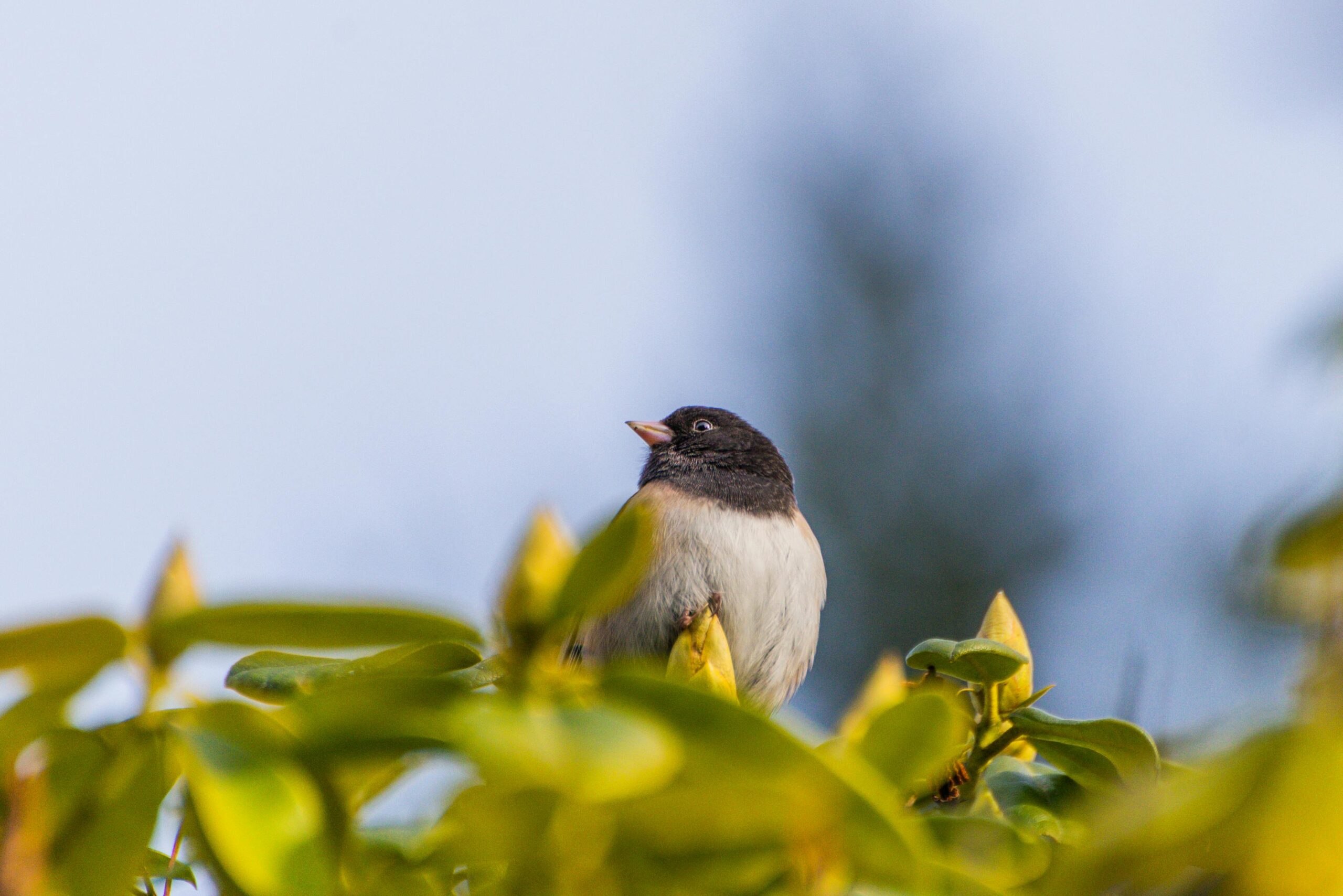
Feeding the birds is just one piece of the puzzle. If you want birds to stay and raise their young in your yard or nearby, they need to feel safe doing it. And they need a space that supports nesting.
A few simple ways to help:
Leave natural materials available
Spring cleaning your yard can wait—twigs, grasses, and pine needles make great nesting material!
Be mindful with pruning
Many birds nest in shrubs and trees. Heavy trimming in early spring can disrupt active nests.
Add nesting boxes where appropriate
Certain species, like bluebirds and chickadees, will readily use them if placed correctly.
Keep bird feeders clean
This reduces the risk of spreading disease, which is especially important during breeding season.
Why Your Backyard Bird Feeder Matters More Than You Think
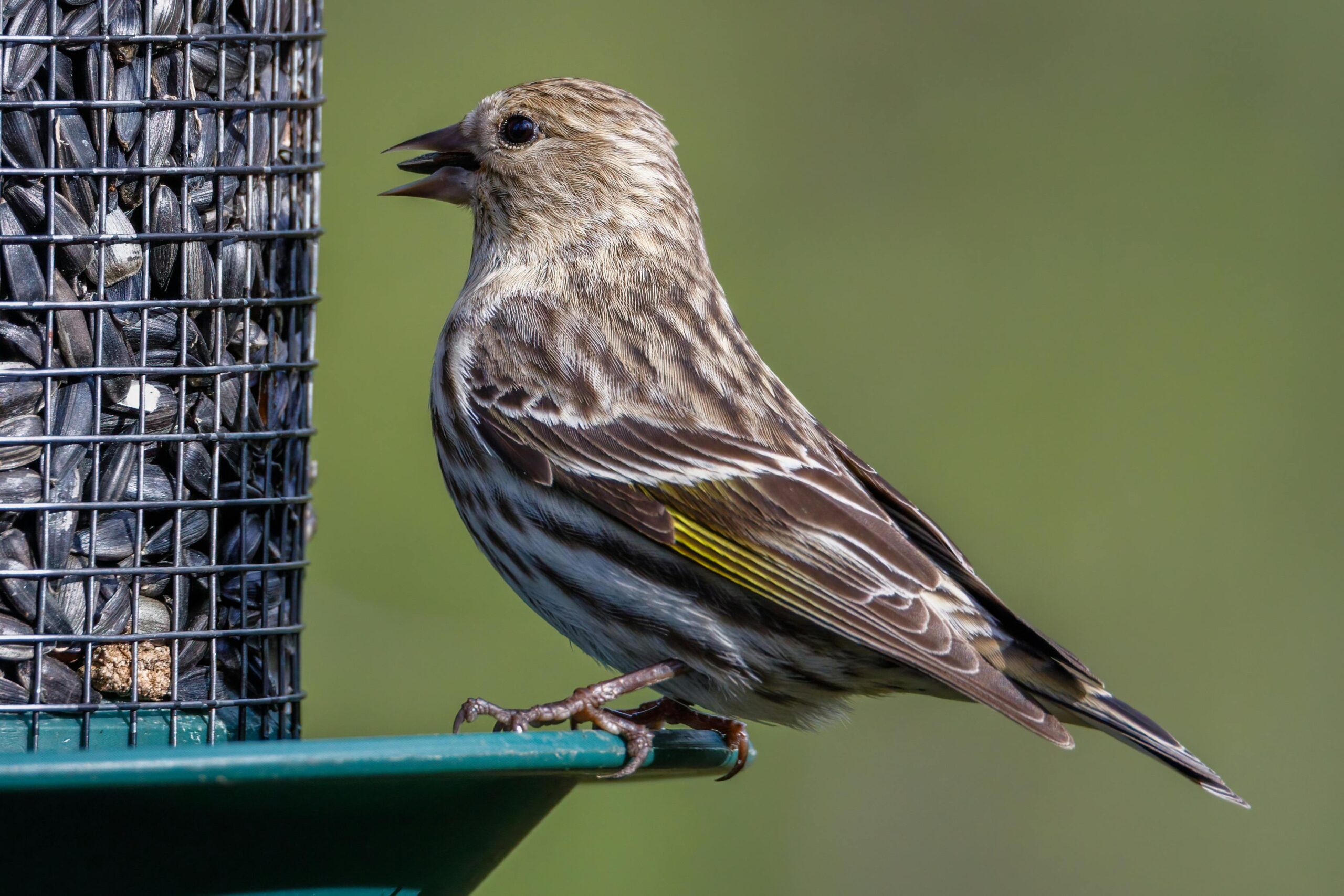
It’s easy to underestimate the impact of a single feeder. We think of hanging a bird feeder as a way to watch the wonders of wildlife outside our window—and that’s definitely part of its joy. But there’s more to it. Multiple studies have shown that supplemental bird feeding improves the health of individual birds, strengthens their immune system to help them fight disease, supports reproduction, and increases fledgling success. Your bird feeder may not look like much, but it could mean the difference between life and death to a few grateful birds.
Your Spring Bird Feeding Checklist
- Beginner’s Guide to Backyard Bird Feeding
- It’s Spring Migration Season! How to Help Big Bear’s Migrating Birds
- Spring Has Sprung! How to Make Your Yard Bird-Friendly This Season
- 3 Ways to Help Birds During Nesting Season
- How to Attract Nesting Hummingbirds to Your Yard
- How to Stop Birds from Building Nests on Your House
- March: A Tough Month for Wild Birds (and How to Help)
- The Different Types of Bird Migrations
- Cleaning Your Bird Feeder Dos and Don’ts
Chirp Bird Walks are Back!
Check our new schedule for summer 2026! Bird Walks are free, but please register in advance (and bring your whole family!)