

With the spring migration season officially upon us, it’s Big Bear Lake’s busiest birding time! The sky overhead is bustling with migrating birds coming into the area, some to breed, others to rest and refuel before making their way farther north. It’s a great time to visit Big Bear Lake, not only to see more than 250 of our native birds, but also the birds passing through and the migrants arriving in droves. And it’s also a great time to think about what these migrating birds need on their arduous journey and how to help them out.
Which Birds Are Migrating Where?
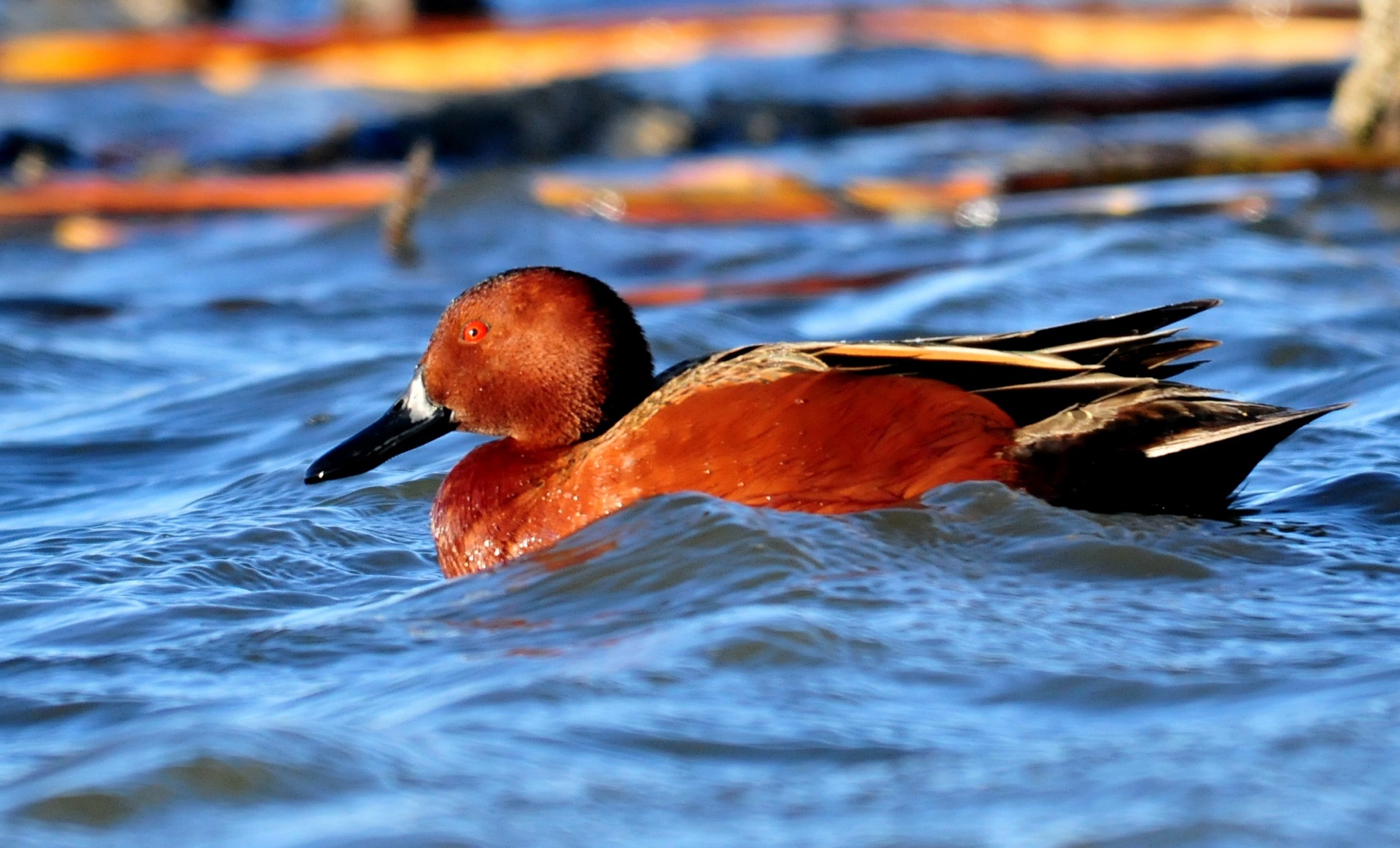
The avian thoroughfare that is the Pacific Flyway runs through the San Bernardino Mountains, meaning Big Bear Lake gets its share of activity. Wintering birds, including many raptors and other cold-season birds, are flying out, while breeding birds (including songbirds and hummingbirds) are coming in. Temporary migrants—including orioles, tanagers, thrushes, flycatchers, vireos, and buntings—are fueling up in Big Bear before flying to higher elevations. Truly, the skies are teeming with birds!
Why Spring Migration Can Be Tough on Birds
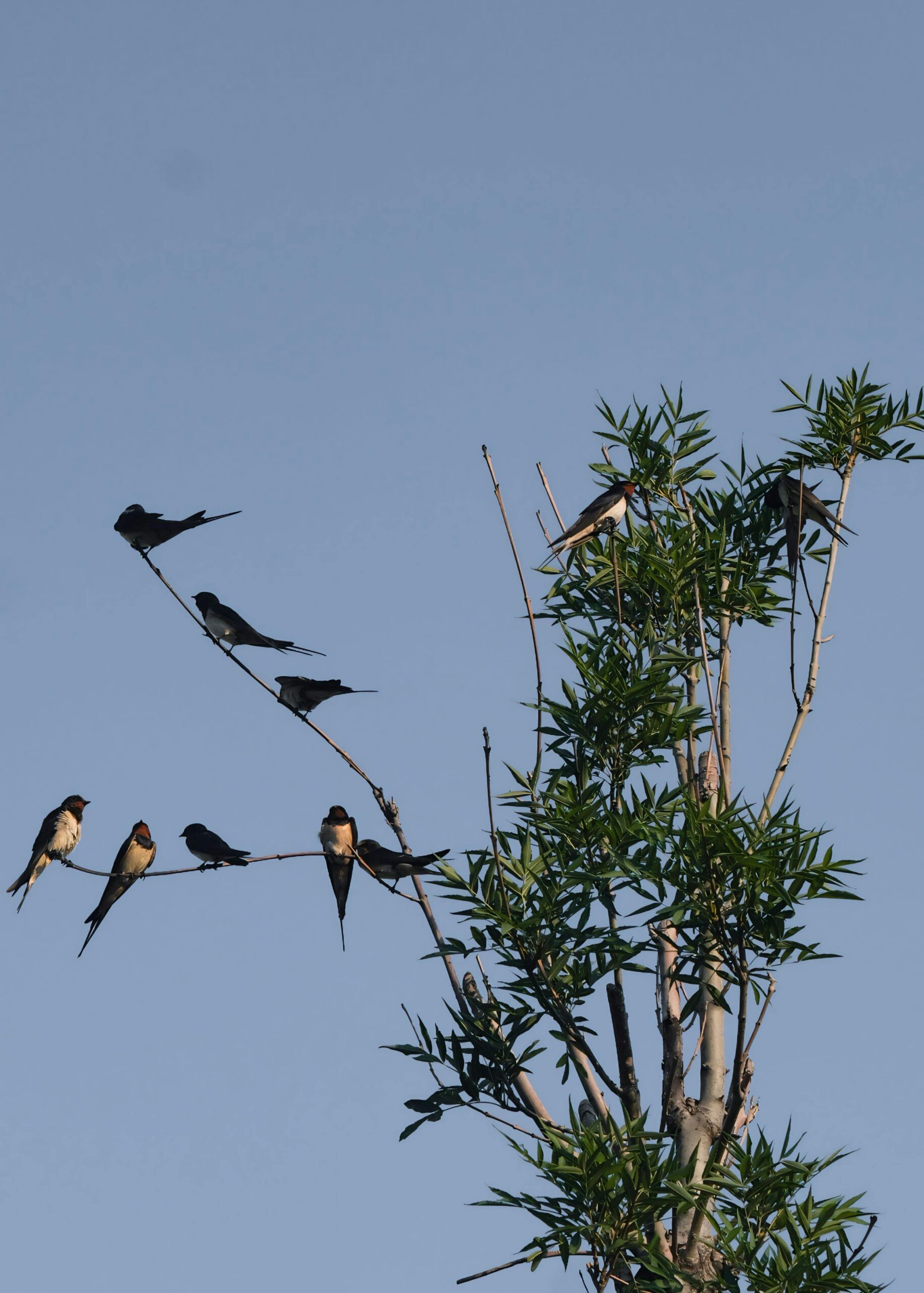
Think of migration as a marathon for birds. But instead of running or walking 26.2 miles, birds are flying hundreds—even thousands—of miles with few breaks. With increasing habitat loss, climate change, and uncertain food sources, it’s a challenging time. Migrant birds are exhausted when they arrive in Big Bear, with barely enough energy they need to find food and shelter, let alone face other obstacles like predators and light pollution.
How to Help Big Bear Birds During Spring Migration
Dim Indoor Lights

Nearly 80% of migratory birds in North America fly at night. Artificial lights—like those in cities, but even our indoor lights in our homes—can disrupt a bird’s natural navigation system. Light attracts birds, and in the case of manmade lights, it often has harmful, if not fatal, consequences. Window strikes occur when birds hit windows, mistaking them for a clear flight path. Lighted houses and buildings draw birds at night, increasing window strikes, which are responsible for up to 1 billion bird deaths each year. We can do our part to decrease this number by keeping our lights dim at night and turning lights off in empty rooms. Drawing blinds or drapes also helps.
Use Window Decals
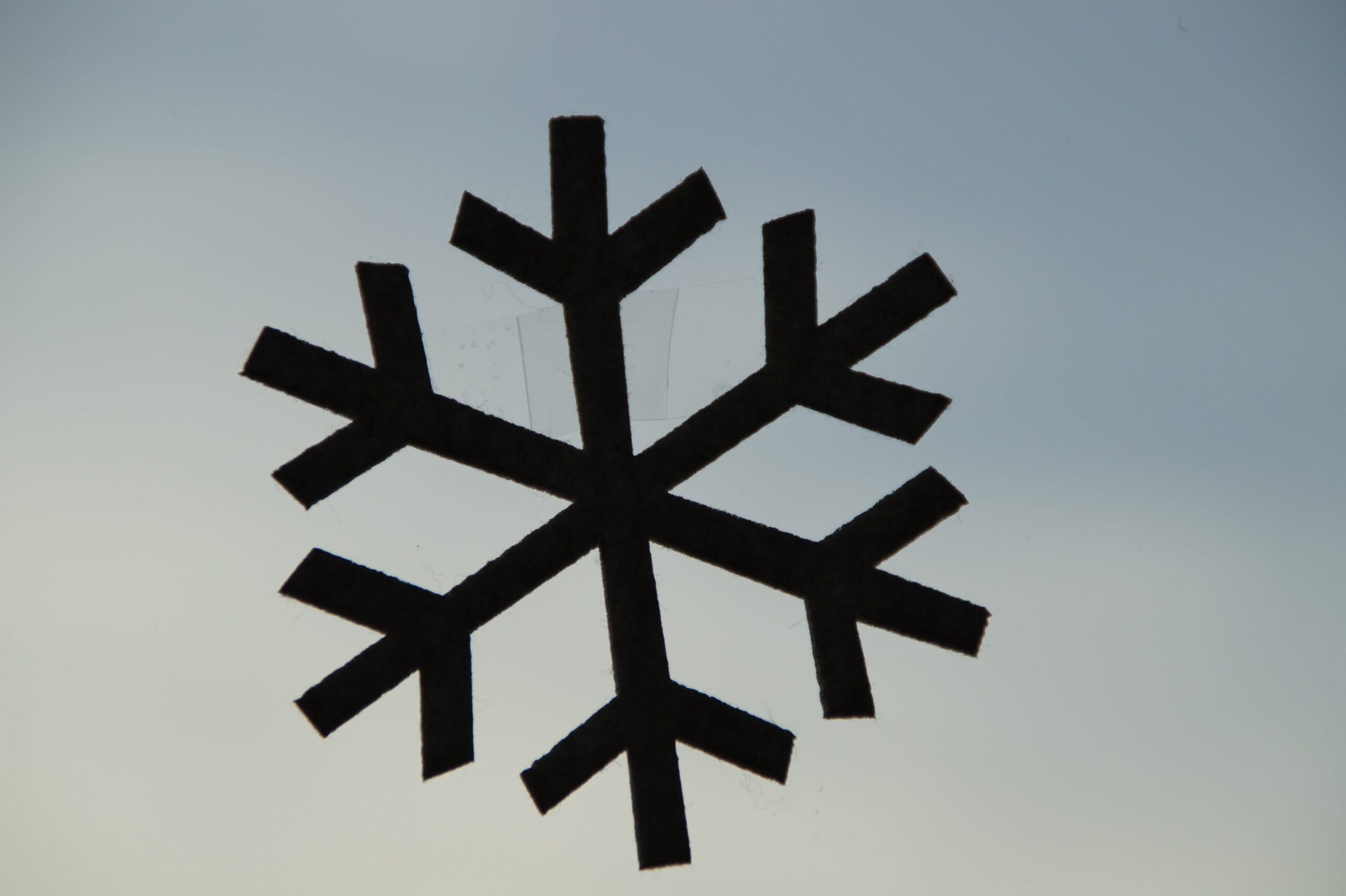
Window decals are another effective way to prevent window strikes. They make window glass visible to birds, which might otherwise see open sky or the reflection of trees, or a clear flight path. A well-placed window decal tells the birds that this is a “no-fly zone.” Apply window decals to the exterior of your windows, since birds will see the reflection of the glass long before noticing an interior sticker.
Keep Cats Indoors
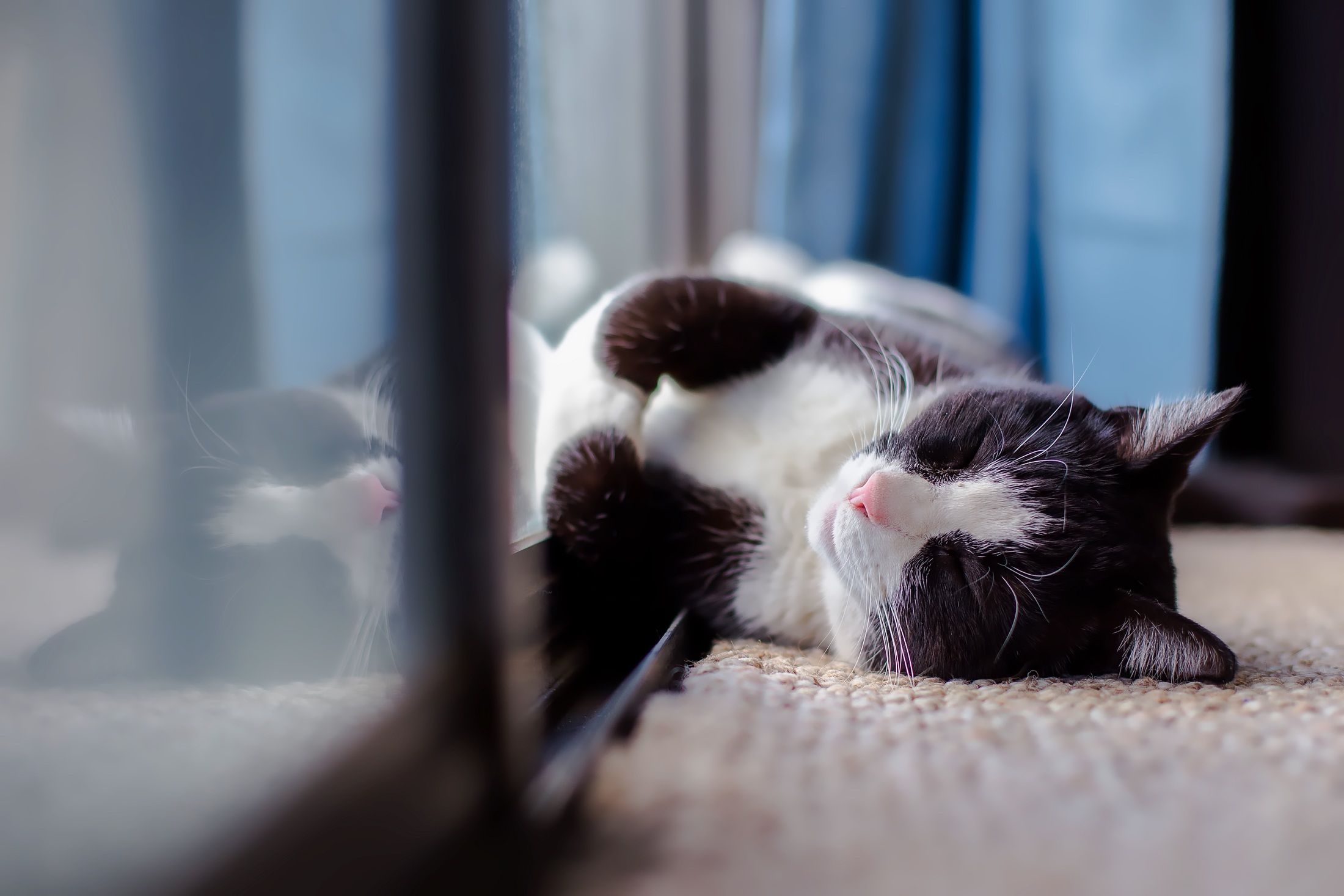
Cats may be our favorite companions, but they are also the number one threat to wild birds. Each year, 2.4 billion birds are killed by outdoor cats. Depleted migrants and vulnerable stopover birds are easy prey for our beloved household cats. Just the stress from being hunted alone is enough to prove fatal to birds. Keeping cats indoors during migration season is one of the most effective ways to protect vulnerable birds. Even limiting outdoor access during dawn and dusk, when birds are most active, can make a huge difference.
Provide High-Energy Bird Food
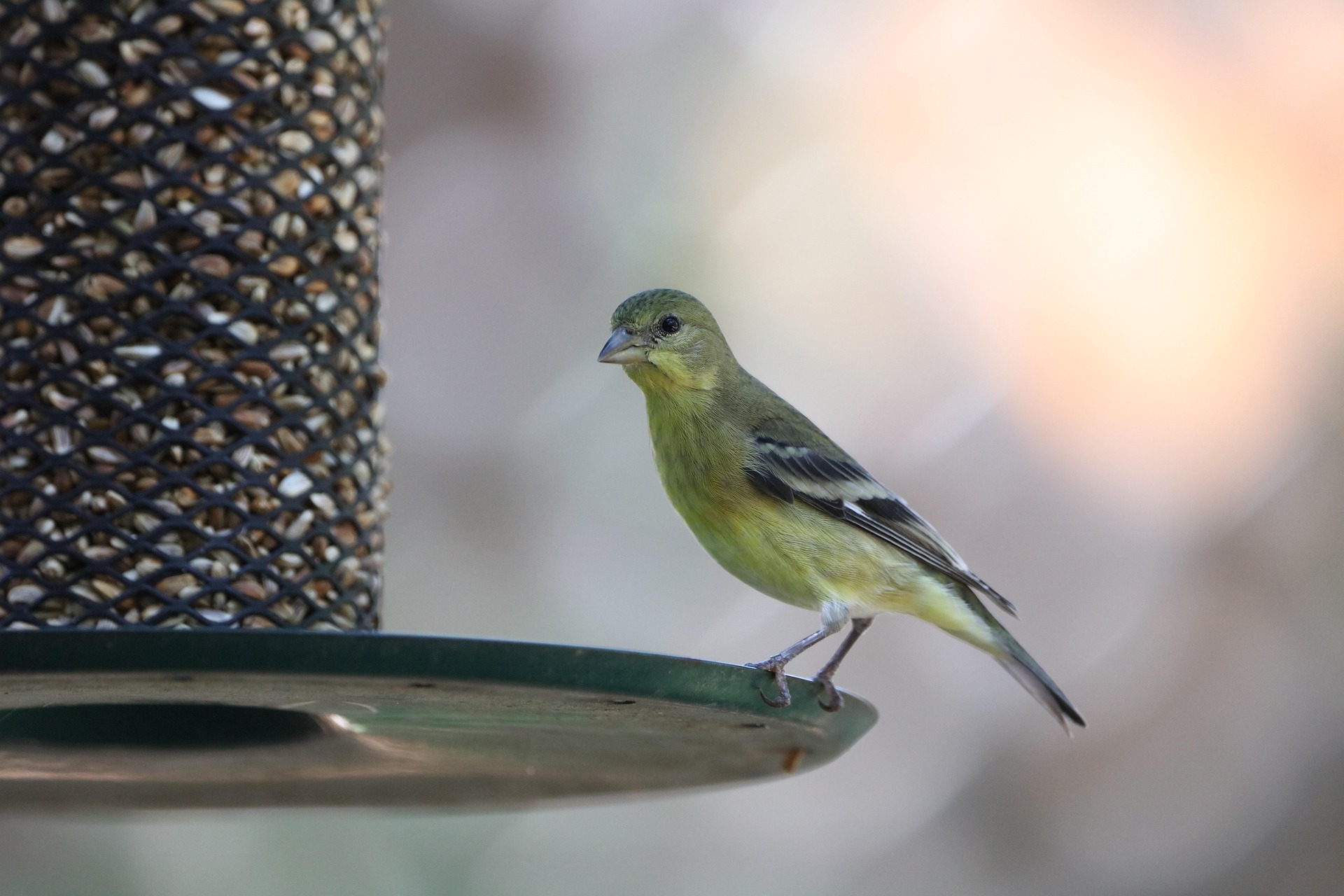
Migrating birds burn enormous amounts of energy during long-distance flights, especially species like warblers and shorebirds, which lose up to 50% of their body weight. It’s no wonder they’re looking for reliable, high-energy food sources to rebuild their fat reserves and, for birds passing through, to fuel up for the flight ahead. Now’s the time to put out your bird feeders, filled with protein- and fat-rich foods like black-oil sunflower seeds, suet, peanuts, and nectar (for hummingbirds). Coming out of the winter season, natural food sources can be scarce. With berry-rich bushes still buried under snow, or bare, and fewer insects on the ground, birds must compete for food. Bird feeders are a helpful supplemental food source during this busy season.
Offer a Clean Water Source
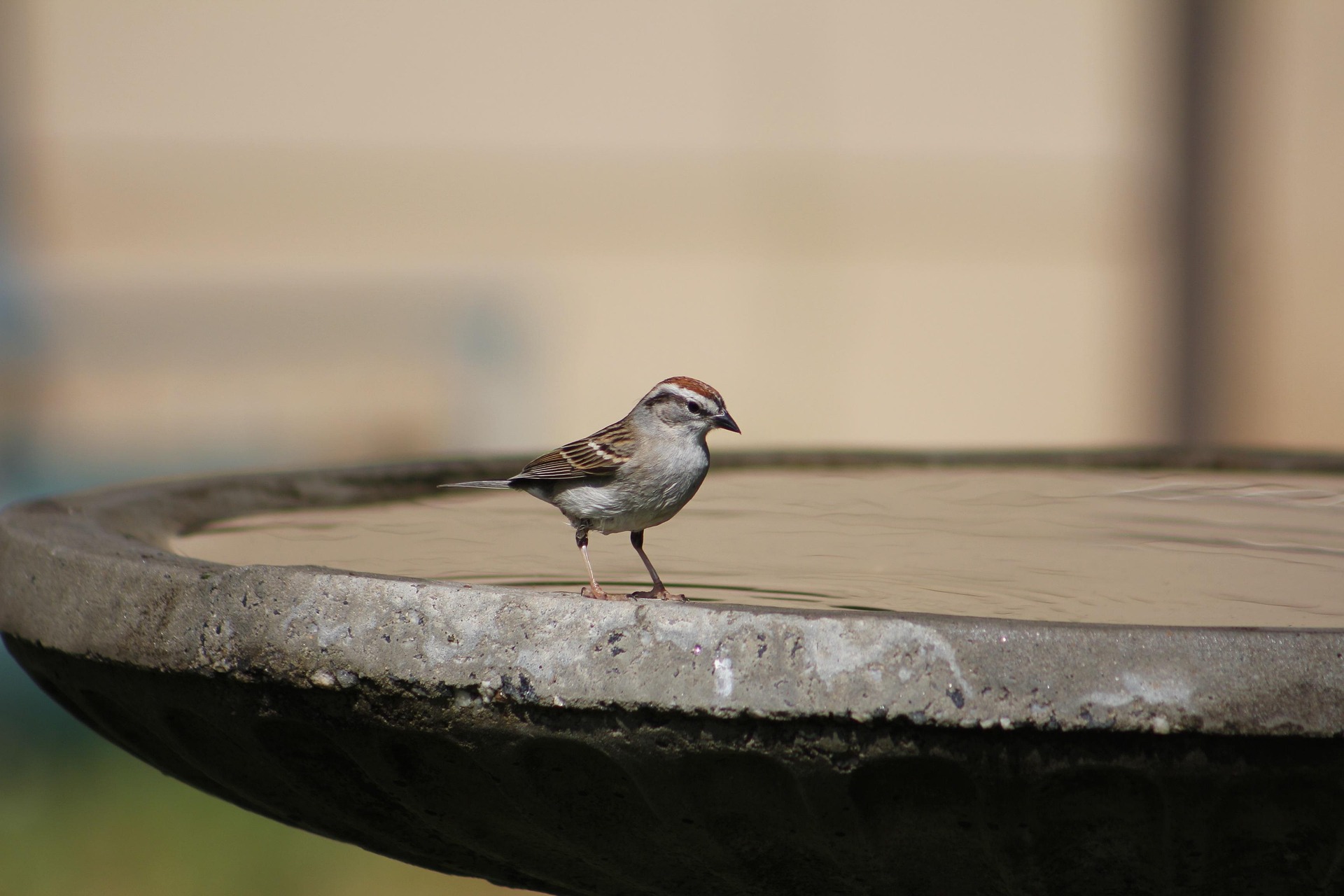
Offering clean water during spring migration can be just as important as offering food. Migrating birds arrive parched and exhausted, dehydrated from long flights. A simple, shallow birdbath is often all they need to revive themselves with a long-anticipated drink of water or a much-needed, post-flight bath to clean their travel-worn feathers. If you’re going to offer a water source, like a birdbath or fountain, keep the water shallow (1or 2 inches) and refresh the water daily to prevent algae or disease. Clean it every two to four days with a vinegar and water solution (dish soap leaves residue that strips a bird’s feathers of natural oils).
Where to Spot Migrating Birds in Big Bear

Big Bear Lake is a birding hotspot, making it a stopover not just for migrating birds but also for bird lovers of all ages and stages. If you’re looking for water birds, head over to Sandalwood (also known as Von’s) Marsh to spot egrets, herons, ducks, wrens, and swallows. Meadow’s Edge is the place to see pelicans, swallows, and songbirds, among other bird species. Happy Hills Trails and Metcalf Creek are home to woodland and shrubland birds, while at Knickerbocker Canyon you can spot chickadees, woodpeckers, creepers, warblers, and towhees, among others.
Get a “Best Birds of Big Bear Lake Field Guide”
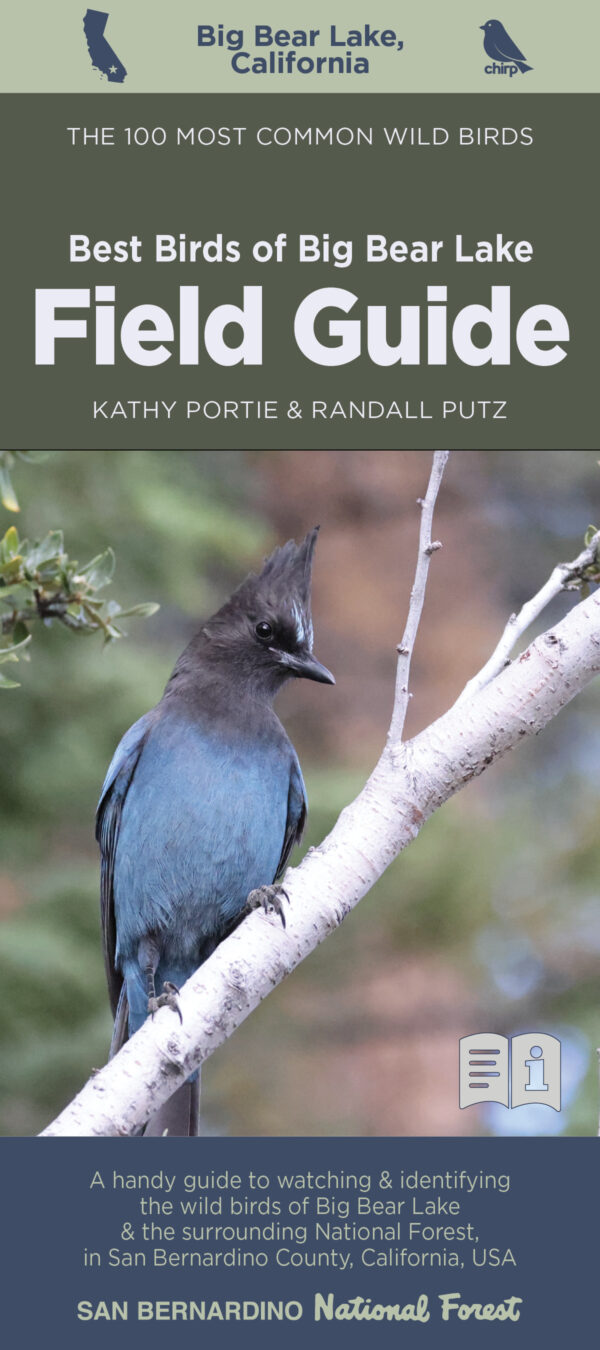
The perfect companion to any Big Bear Lake resident or visiting bird lover, the “Best Birds of Big Bear Lake Field Guide” features 146 colorful pages, including bird photos, maps, and identification tips. Written by Chirp’s very own Randall Putz and Kathy Portie, this guide is available for sale at the Chirp store. Visit us today to pick one up!