

Nature lovers and bird enthusiasts! Looking to turn your love of the outdoors and wildlife into a meaningful way to help birds? A citizen science project is a powerful place to start. A citizen science project is one where everyday people are invited to collect, observe, and report data from the natural world, helping researchers and scientists understand environmental trends and inform conservation efforts. Here are some citizen science projects to explore for any age.
Why Birds Need Our Help
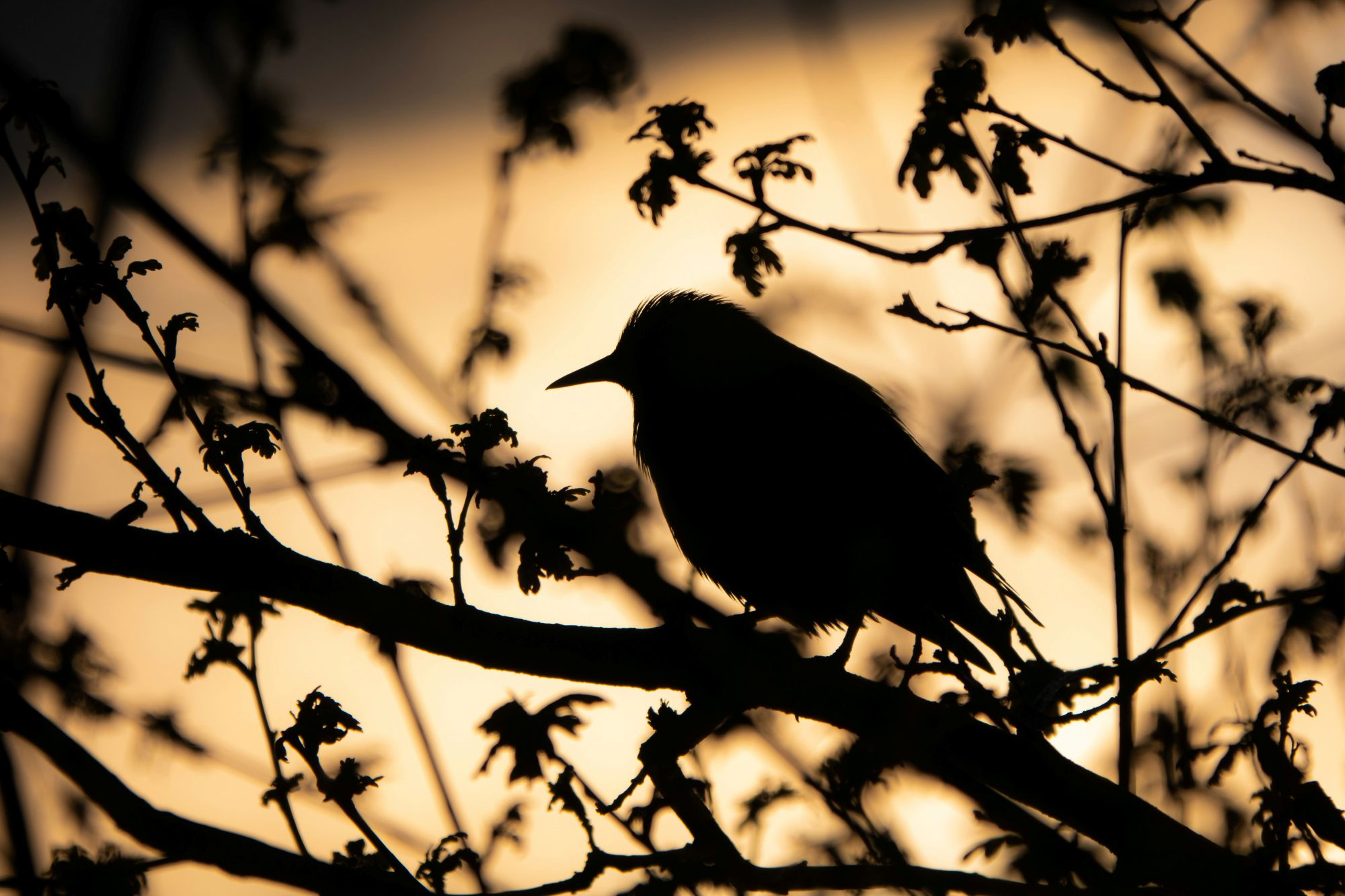
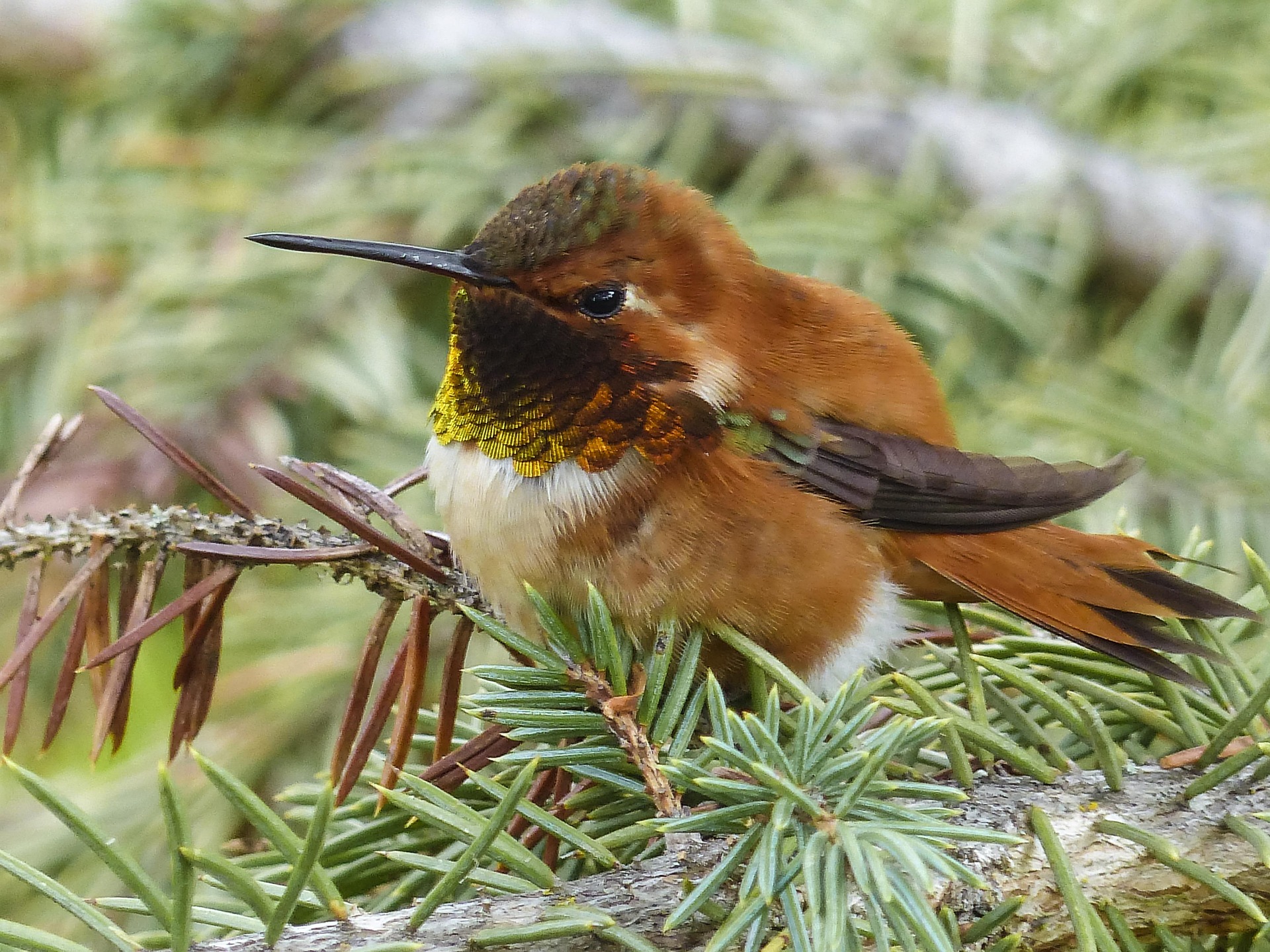
It’s a sad fact that bird populations are declining at a frightening rate. In the State of the Birds 2025 report, created by a coalition of organizations that includes the Cornell Lab of Ornithology and the National Audubon Society, a third of bird species in the US are of moderate to high concern. Forty-two species are at a red alert “tipping point,” meaning they have perilously low populations and declining numbers. Another 70 bird species are showing accelerating population losses, with another seventy-one species on a watch list and considered vulnerable. Even common backyard species like the Dark-eyed Junco and the Allen’s Hummingbird are experiencing declines, showing that no bird population is entirely safe from human-driven threats.
What’s driving these drastic declines? A mix of factors, including habitat loss, climate shifts, pollution, and other threats is pushing bird populations toward extinction. That’s why citizen science projects are so vital. Backyard birders, teachers, students, hikers, and nature walkers—all can contribute the real-time data scientists need to study trends and take informed action to protect our birds.
Citizen Science Projects That Help Birds
eBird, Global Big Day, and the Great Backyard Bird Count
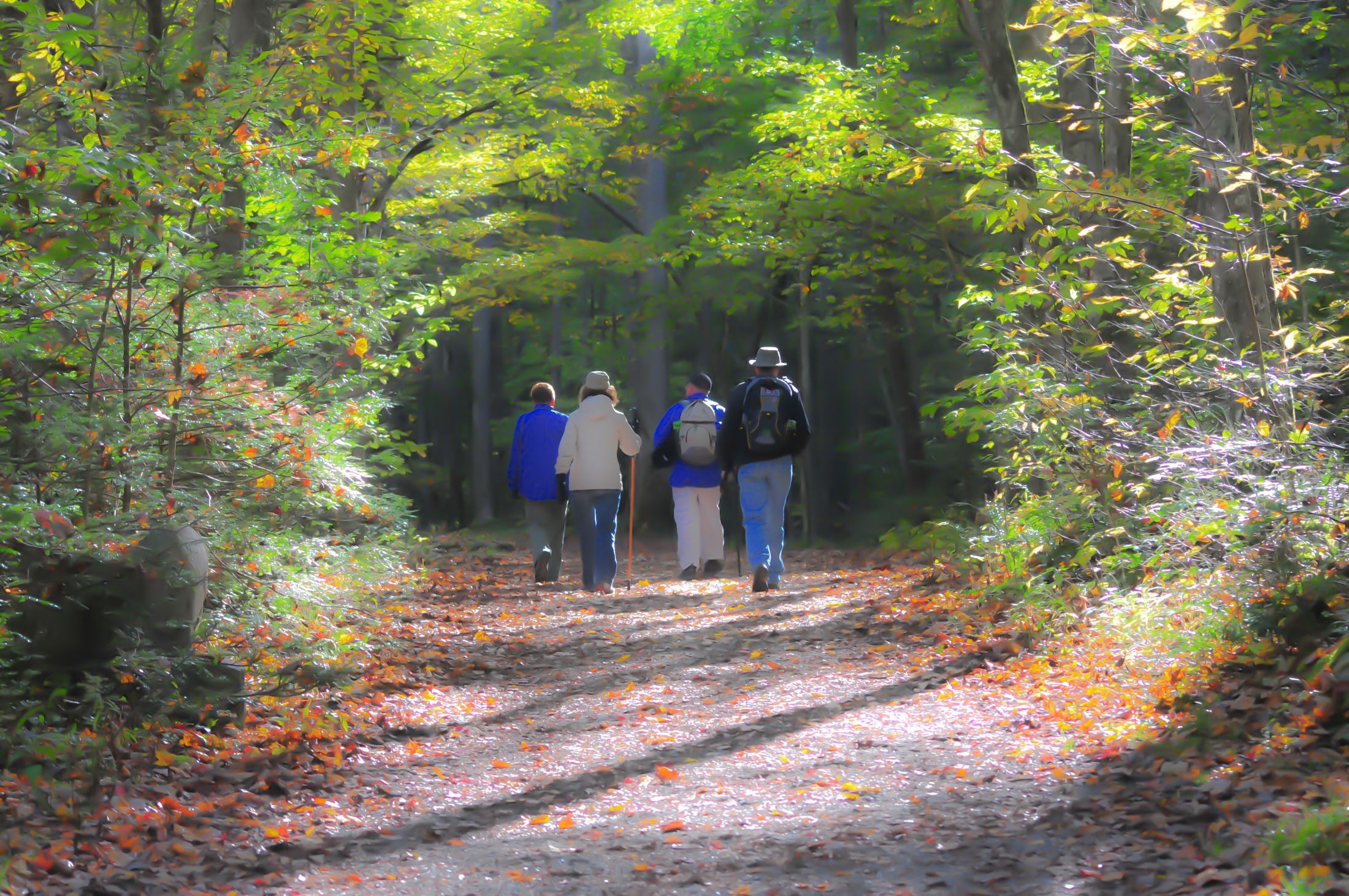
A global citizen science project with over 1.1 million users, eBird is a community-aggregated database of bird observations. Around the world, birders of all ages use the eBird app to identify birds, keep life lists, and submit their data directly to the Cornell Lab of Ornithology. As the official app for Cornell’s Global Big Day and Great Backyard Bird Count, eBird connects the world’s largest birding community, It also allows participants to see how their observations compare regionally and nationally, encouraging engagement and learning in real time. Best of all, you can use it anytime, anywhere, and at any age.
Project FeederWatch
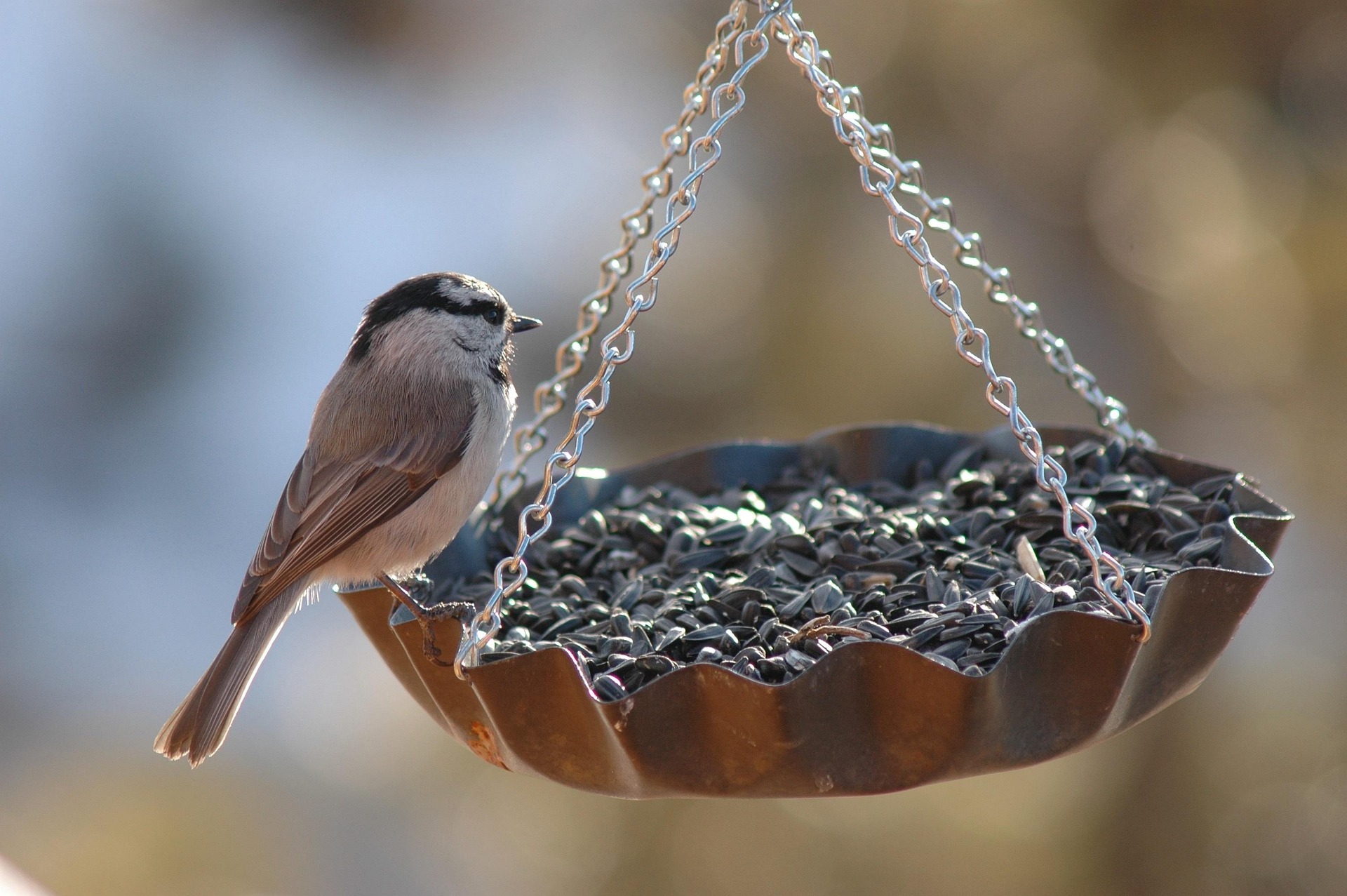
Count the birds at your backyard feeders with another of Cornell Lab’s projects, Project FeederWatch. Track the number, species, and behaviors of bird types at your feeder, submitting all observations through Cornell’s online portal. Project FeederWatch is especially valuable in winter months, when food scarcity and harsh weather can impact bird survival, giving scientists key insights into population health during critical periods. There’s a one-time participation fee of $18, which gives you full access to the Project FeederWatch website and app, as well as digital access to the Living Bird magazine. All ages are welcome to join, but hurry—this season’s session only runs until the end of April!
NestWatch
Cornell Lab’s NestWatch project is a long-running citizen science project that monitors breeding birds and how they’re responding to climate and habitat changes. Cornell certifies participants, teaching them how to safely find and carefully monitor birds’ nests, and then to record their findings through their online database. This global project is free to join, and open to participants of all ages (though parents are urged to supervise small children in order to protect the birds and their habitats).
Climate Watch
Climate Watch is a community science project led by the National Audubon Society, and it focuses on how climate change is reshaping where birds live, now and in the future. Volunteers can sign up to participate in one or both yearly surveys (conducted in January/February and May/June). Each survey targets a 10 km x 10 km square of outdoor space, where the volunteer records the number of target bird species that may be present in that space. Volunteers conduct these surveys within a specific time period (a series of 12 five-minute counts), documenting the data and submitting it on the Audubon website. All ages are welcome to participate, though young children will need adult supervision and guidance.
Looking for More Citizen Science Projects?
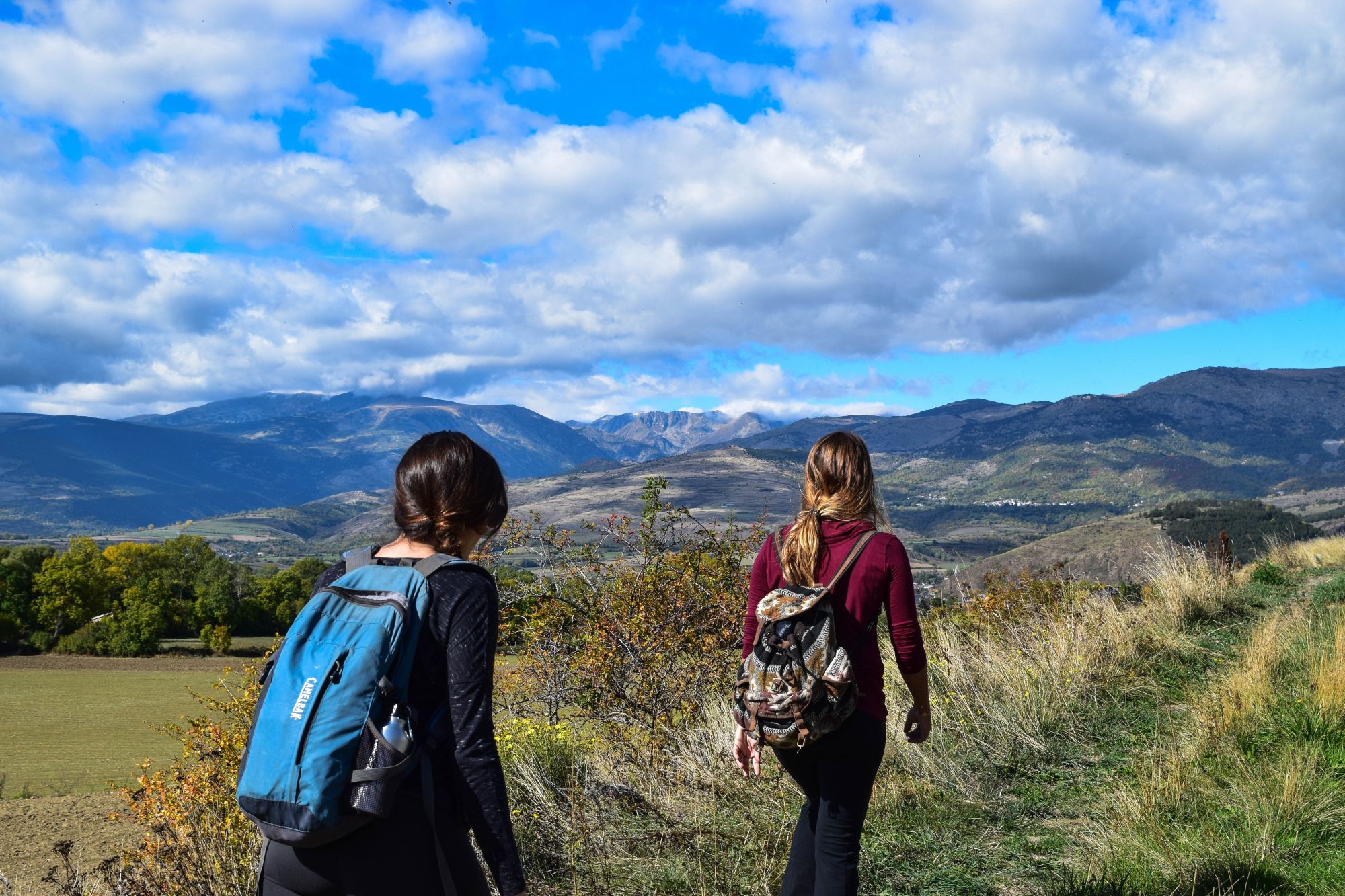
- Your local Audubon chapter. Find the closest Audubon chapter near you to see what citizen science projects they are offering in your area.
- The SciStarter website. Search projects by keyword or topic to find projects online or near you.
- volunteer.gov. Find nature conservation projects and volunteer opportunities at federal agencies across the US, including the Fish and Wildlife Service and the National Park Service.
Easy Ways to Help Your Local Birds
- Turn your backyard into the ultimate bird sanctuary.
- Plant native plants. (If you’re a Big Bear local, we’ve got a plant list for you!)
- Support local and national bird conservation organizations.
- Fill your feeders with high-quality seed mixes.
- Learn about how to reduce plastic pollution (a major threat to birds).
- DON’T feed birds these foods.
- DO plant a hummingbird garden.
Stay Connected and Support Big Bear Birds
Sign up for Chirp’s free monthly newsletter to get the latest birdwatching and bird feeding tips, local birding events, and sales delivered right to your inbox. (AND…you can also sign up for our seed subscription to get bird seed delivered right to your door!)