

When you think of a birdwatcher, perhaps you conjure an image of a mid-lifer or retiree with time on their hands. But the nature-loving-turned-mental-health-boosting activity has seen a dramatic boom in recent years for people of all ages, with the number of US birdwatchers more than doubling from 2016 to 2022. And the fastest-growing group is also the most surprising: teenagers.
Why Teenage Birdwatching is on the Rise
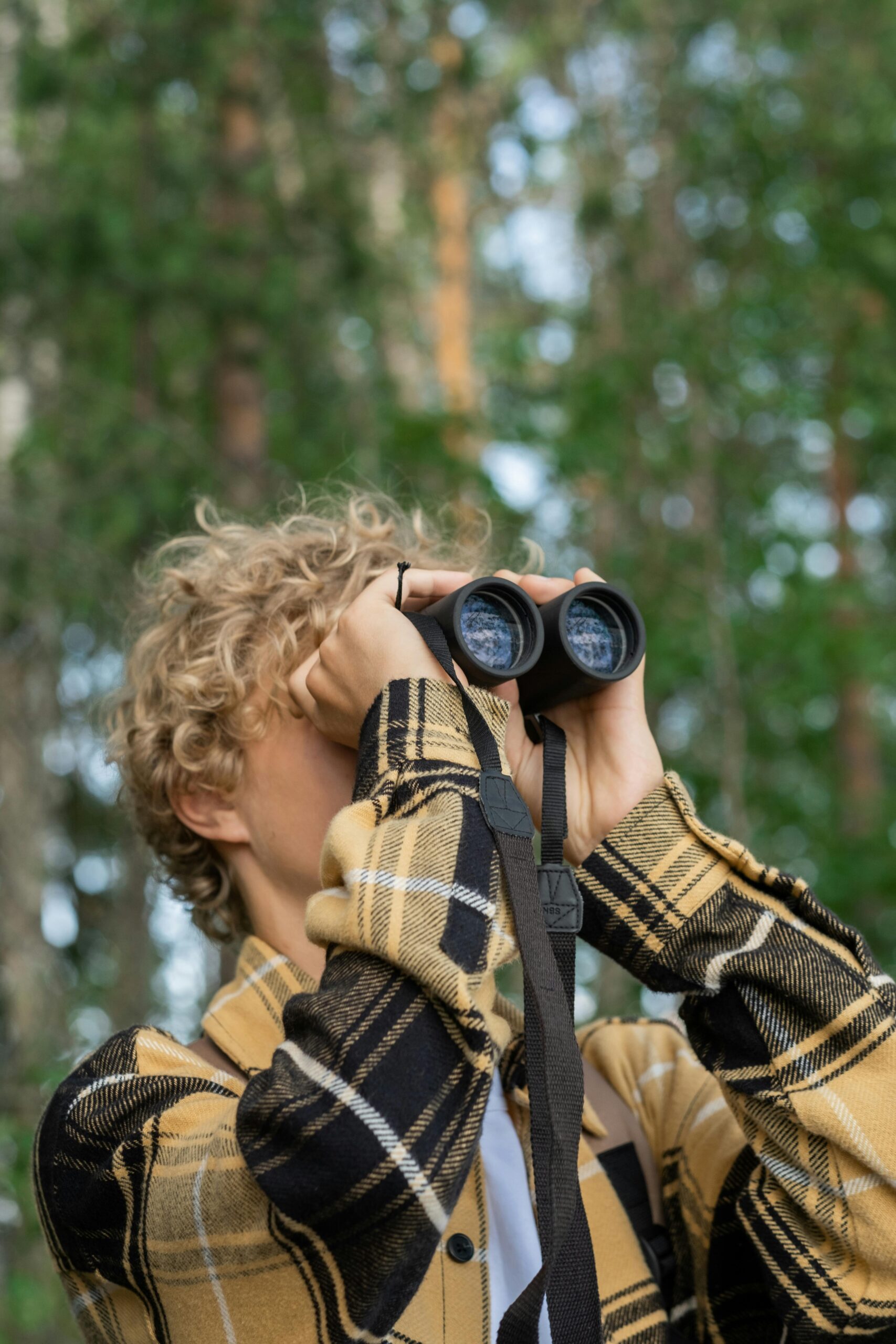
The COVID-19 lockdown played a major role in the recent surge of teenage birders. As schools closed and social distancing became the norm, young people began spending more time outdoors, exploring their neighborhoods—and nature—like they hadn’t before. Parents were looking for safe and enriching activities for their children and found birdwatching an accessible outlet that engaged their curiosity and helped them connect with nature. As a result, the number of teenage birdwatchers went from 1 million in 2016 to 3.2 million in 2022.
Even after schools reopened and life began returning to normal following the first months of COVID-19, teens continued to spend more time exploring the outdoors. Young birder clubs filled up fast, and new Audubon chapters were launched to meet the growing demand from teenager birdwatchers. What started as a coping mechanism during lockdown turned into a lasting passion for many young people. For many teens, birdwatching not only offers a sense of community, but also a boost in wellbeing during a time of global uncertainty.
How Birdwatching Benefits Teenagers
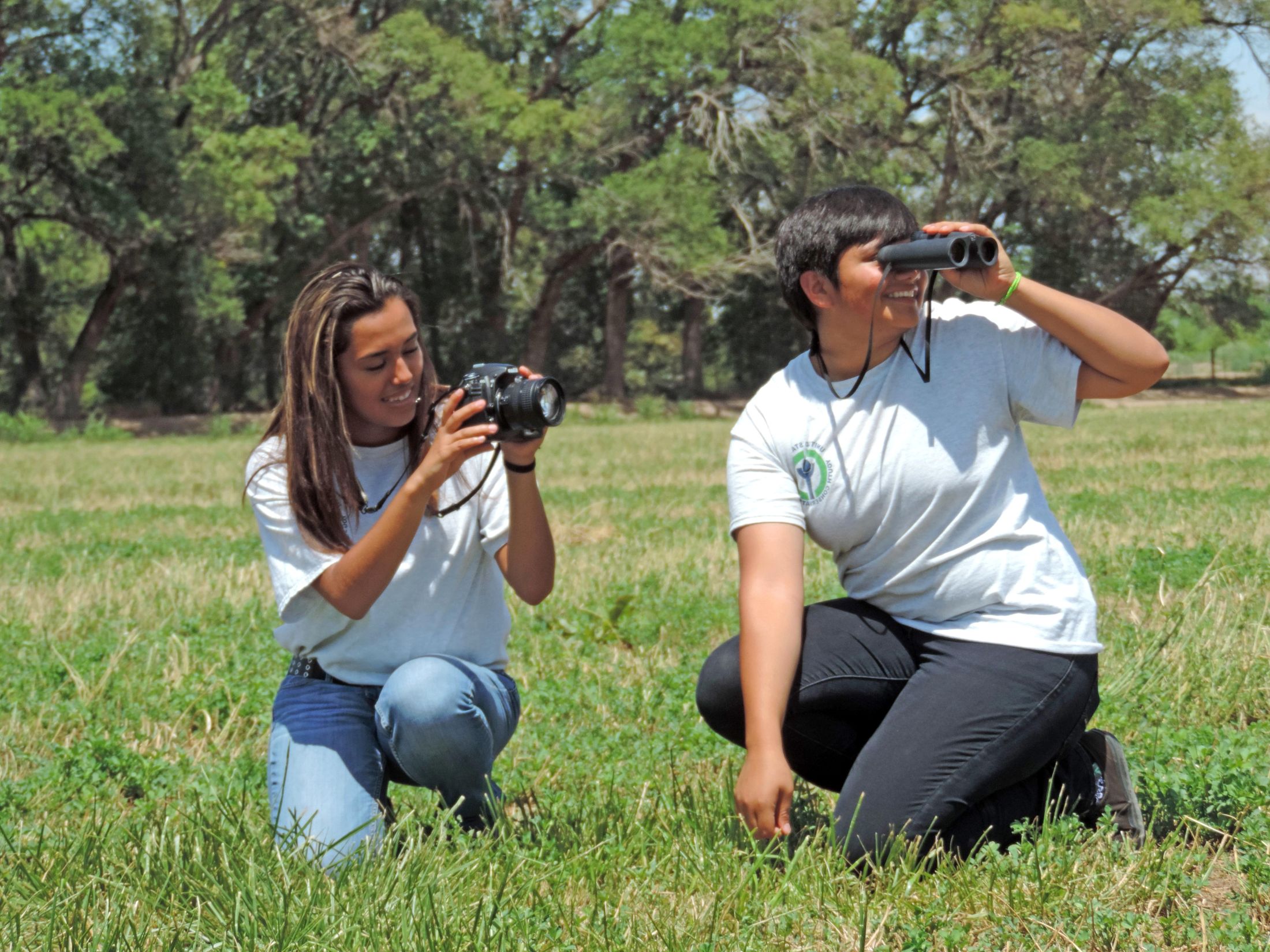
Unfortunately, the pandemic accelerated an already-raging teenage mental health crisis, leading to significant increases in depression and anxiety among our youth. Teens were, and are, stressed out, emotionally overwhelmed, and navigating an increasingly uncertain world. And while birdwatching may not solve every challenge that teenagers face, it can provide meaningful moments of calm, connection, and purpose in these turbulent times.
Improves mental health and emotional wellbeing. While the positive effects of nature on mood are well documented, research shows that birdwatching may offer even greater benefits. In one study, college students who participated in birdwatching reported higher levels of wellbeing compared to those who took general nature walks.
Reduces stress, anxiety, and depression. Birdwatching is proven to lower stress levels and support emotional regulation. Studies show that simply seeing or hearing birds can reduce cortisol and improve mood for up to eight hours afterwards.

Encourages mindfulness and focus. Searching the skies and treetops, listening for bird calls, and identifying new bird species: all demand present-moment awareness. This kind of mindfulness helps teenagers slow down, sharpen their focus, and redirect their attention toward something calming and grounding.
Supports cognitive engagement and learning. Learning to identify birds strengthens critical thinking, pattern recognition, and observational skills. These cognitive benefits carry over to the classroom, helping teens process information more effectively, and apply what they’ve learned in everyday life.
Strengthens connection to nature. In today’s screen-dominated world, birdwatching offers teens a welcome break from information overload. By stepping outside to observe birds and engage with fellow nature lovers, young people can reconnect with the natural world, deepen their appreciation for wildlife, and build the necessary values that shape our earth’s future stewards.
How to Help Your Teenager Discover Birdwatching

Birdwatching doesn’t require fancy gear or expert knowledge. It starts with a curiosity about nature, a curiosity that can be satisfied in your own backyard. Backyard birdwatching is a popular pastime for birders of all ages, since it’s easy, accessible, and can be done on your own schedule. Simply encourage your teen to listen to the birds around them (though hanging a bird feeder in your yard to attract more birds is an even better start!). Here are some more tips on inspiring your budding teenage birder:
Take nature day trips
It doesn’t have to take a ton of time—a short visit to a nearby park or trail can feel like stepping into a whole new world of birds. Encourage discovery rather than an obligation to record or identify birds. Focus on your teens’ interests, incorporating them when and where possible. For example, do they like to draw? Encourage them to sketch the birds and landscapes they see. Do they like photography? Ask them to bring along their phone or camera.
Use apps and technology
Your teen doesn’t have to leave their phone at home to enjoy birdwatching. In fact, technology can make their new hobby more interactive and exciting. Apps like Merlin Bird ID help identify birds by sight and sound, turning birding into a fun, game-like experience that encourages curiosity and learning. Birda combines birding with social networking, allowing teens to share sightings, post photos, and compare life lists with friends and fellow bird lovers. These tools turn birdwatching into a digital adventure, tapping into the way teens engage with and explore the world today.
Learn about young birder groups in your area
Connect with fellow teenage birdwatchers by joining young birder groups. Look for these clubs through your local Audubon Society chapters, the American Birding Association, and even local Meetup and Facebook groups. And many organizations offer bird-focused citizen science projects for teens and young children. These projects, like those offered by the Cornell Lab of Ornithology and the National Audubon Society, help teens contribute their birding data to a global database that furthers local and national conservation efforts.
Plant the Seeds NOW to Grow Tomorrow’s Teenage Birder
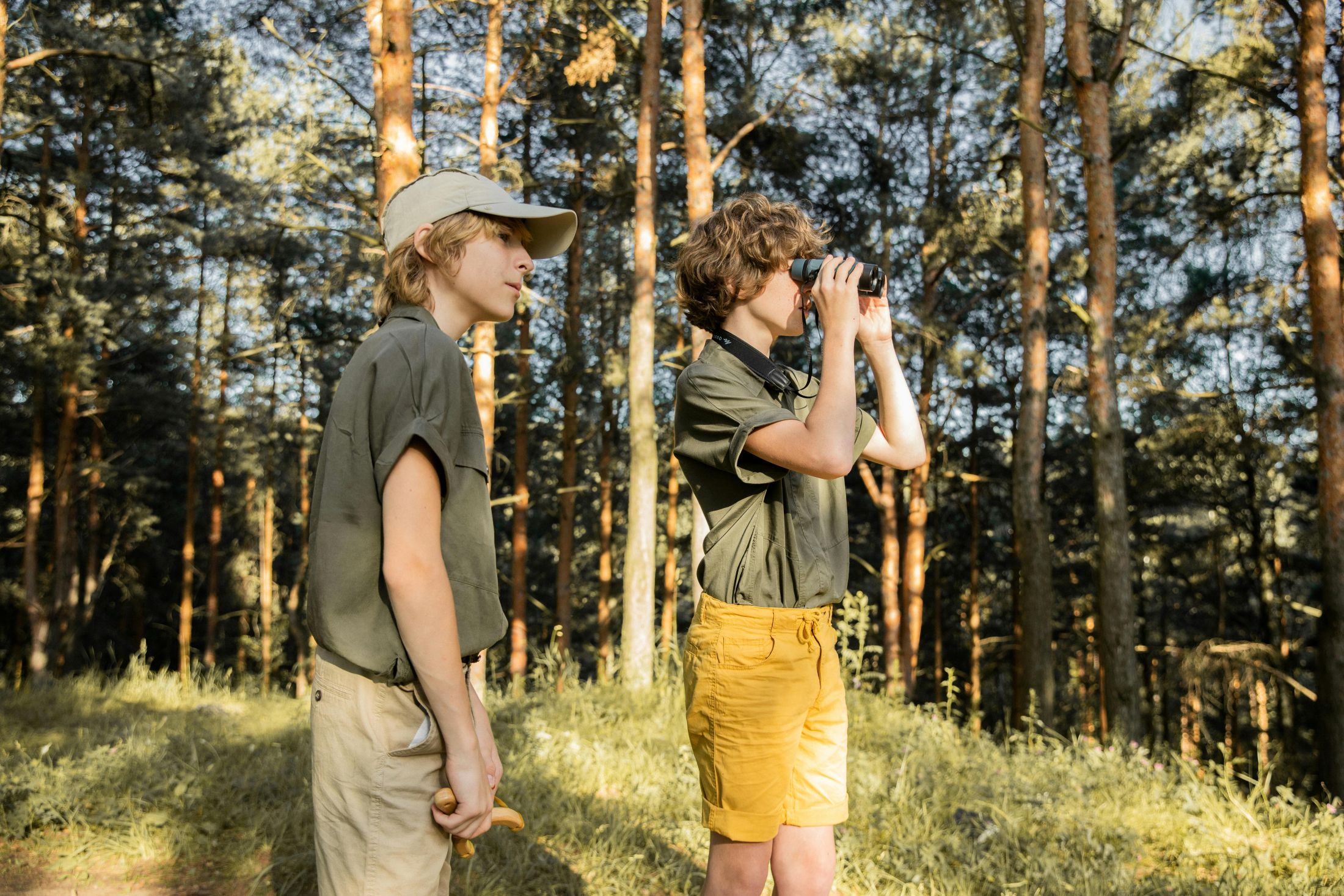
Encouraging a love of birdwatching doesn’t have to begin in the teenage years. In fact, it can—and should—start earlier than that. Teaching small, even pre-school-aged children—to appreciate the natural world around them is the key. And the best part? Your child can enjoy all the mental and emotional benefits of birdwatching that those of older years enjoy. Here are some resources to start:
- Nature-themed Online Activities for Kids
- 6 Ways to Teach Kids Good Environmental Stewardship
- 8 Fun Ways to Teach Your Kids about Birds
- For the Little Birder: Tips for Young Naturalists
- How and Why to Get Your Kids Out in Nature
- How to Raise Kinder Kids Through Nature