
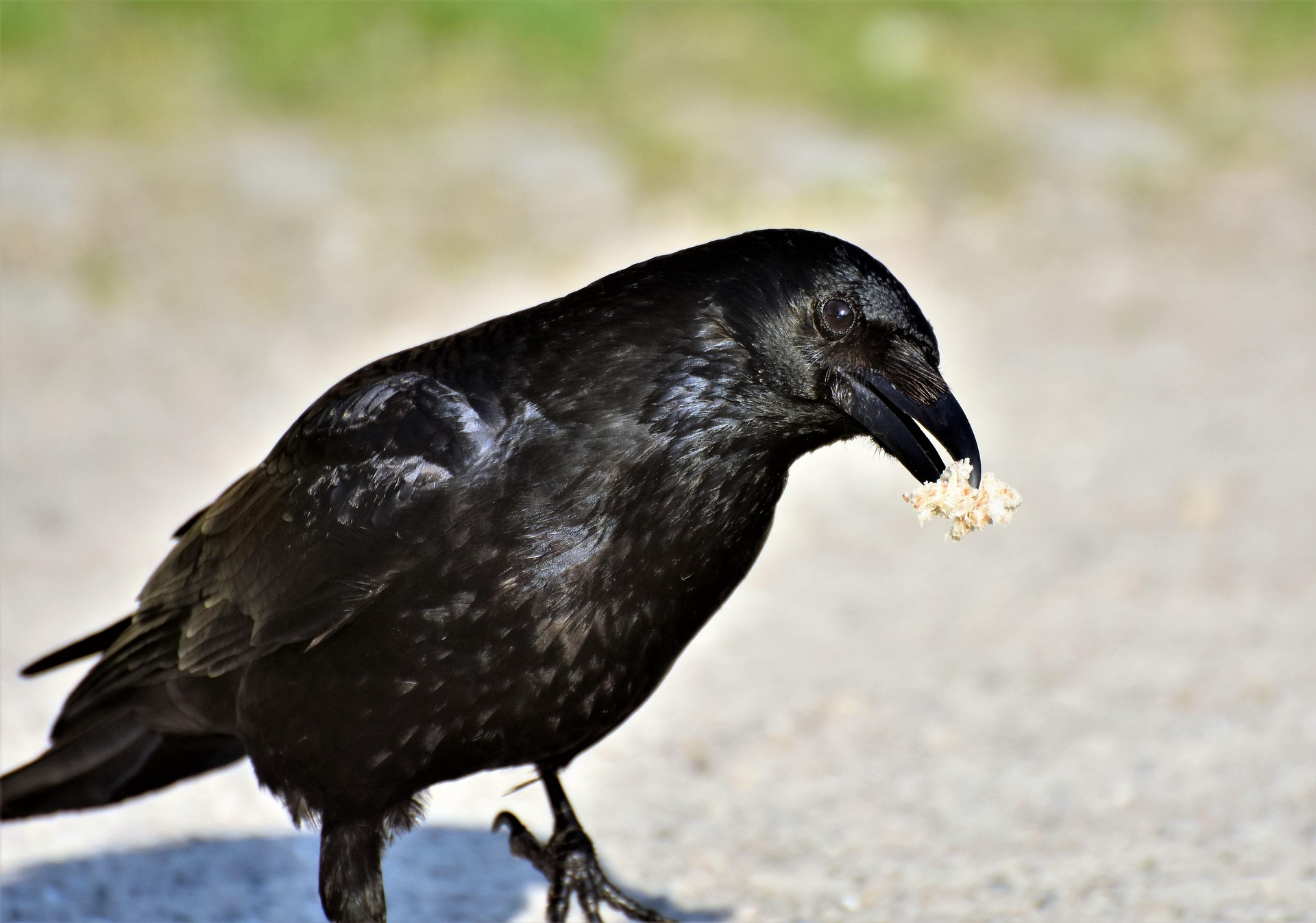
It’s that festive time of year, and while gifts are on people’s minds, some of the most surprising gift-givers are the birds right outside our windows! But why do birds give gifts, and what kinds of items do they offer? Which bird species give gifts to other birds, and sometimes to humans? Let’s explore the science behind this fascinating avian phenomenon.
Why Do Birds Give Gifts?
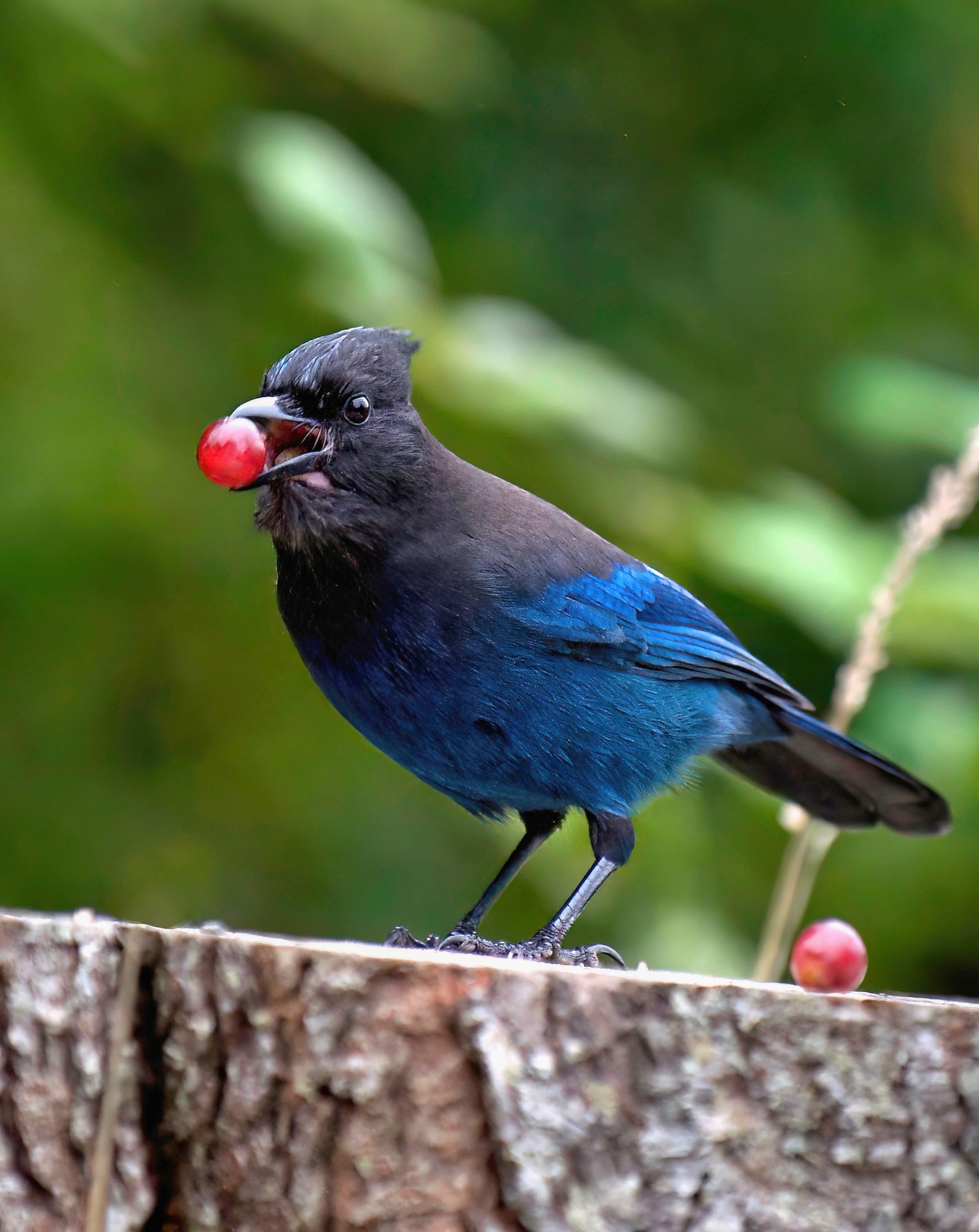
Birds are incredibly intelligent, and while their behavior may not always make sense to us, it does to them. There are several reasons birds give gifts: as part of their courtship ritual, to strengthen social bonds with other birds, and simply for fun. (Birds are known to play, after all!) Astonishingly, some birds have even learned to give gifts to humans, forming reciprocal relationships based on mutual trust.
Which Birds Give Gifts?
The most well-documented bird-to-human gifts come from members of the corvid family: crows, ravens, magpies, and jays. Other bird species are more likely to gift their bird friends, and include wrens, kingfishers, terns, gulls, hawks, and eagles.
Birds Giving Gifts to Humans
You’ve probably heard stories of crows leaving little trinkets for humans who feed them—a shiny bead here, a feather there. This behavior is called “gifting,” and experts say it’s a sign of social reciprocity. Since corvids are excellent communicators with strong social networks, it makes sense that they’d respond this way to humans offering them food, water, and other resources. But some scientists say the “motive” behind this behavior is still unclear.
While it’s a wonderful feeling to connect with wild birds, it’s wise to be cautious, both with our actions and assumptions. Even with good intentions, we may overstep boundaries, potentially stressing birds, disturbing nests, and even provoking aggression. So when it comes to interacting with wild birds, the key word is boundaries. Maintain a respectful distance, move slowly, stay quiet, never chase a bird, and leave the area if the bird appears stressed.
“But I’m respecting the bird’s boundaries!” you may say. And if you’re a nature lover, like most of Chirp’s clientele, you likely already know the difference between appreciating birds and stalking them—so good on you! Still, when it comes to creating a “gift exchange” with wild crows and other feathered friends, it’s best to keep expectations realistic. As the National Audubon Society points out, not everyone who feeds and cares for wild crows receives gifts. Scientists are still learning why crows sometimes leave humans small objects. Yes, it could be their way of saying, “You’re part of our group!” Though some think it’s more likely to be reinforcement behavior, similar to a dog trained to perform tricks for tasty treats.
What gifts do birds give to humans?
All sorts of strange and wonderful objects! Some documented bird-to-human gifts include pieces of glass, buttons, paper clips, twigs, rocks, beads, coins, bottle caps, keys, earrings, and small pieces of food.
Birds Giving Gifts to Other Birds
Giving gifts isn’t just a human tradition—birds do it too, and for a variety of reasons.
Bird gifting in courtship
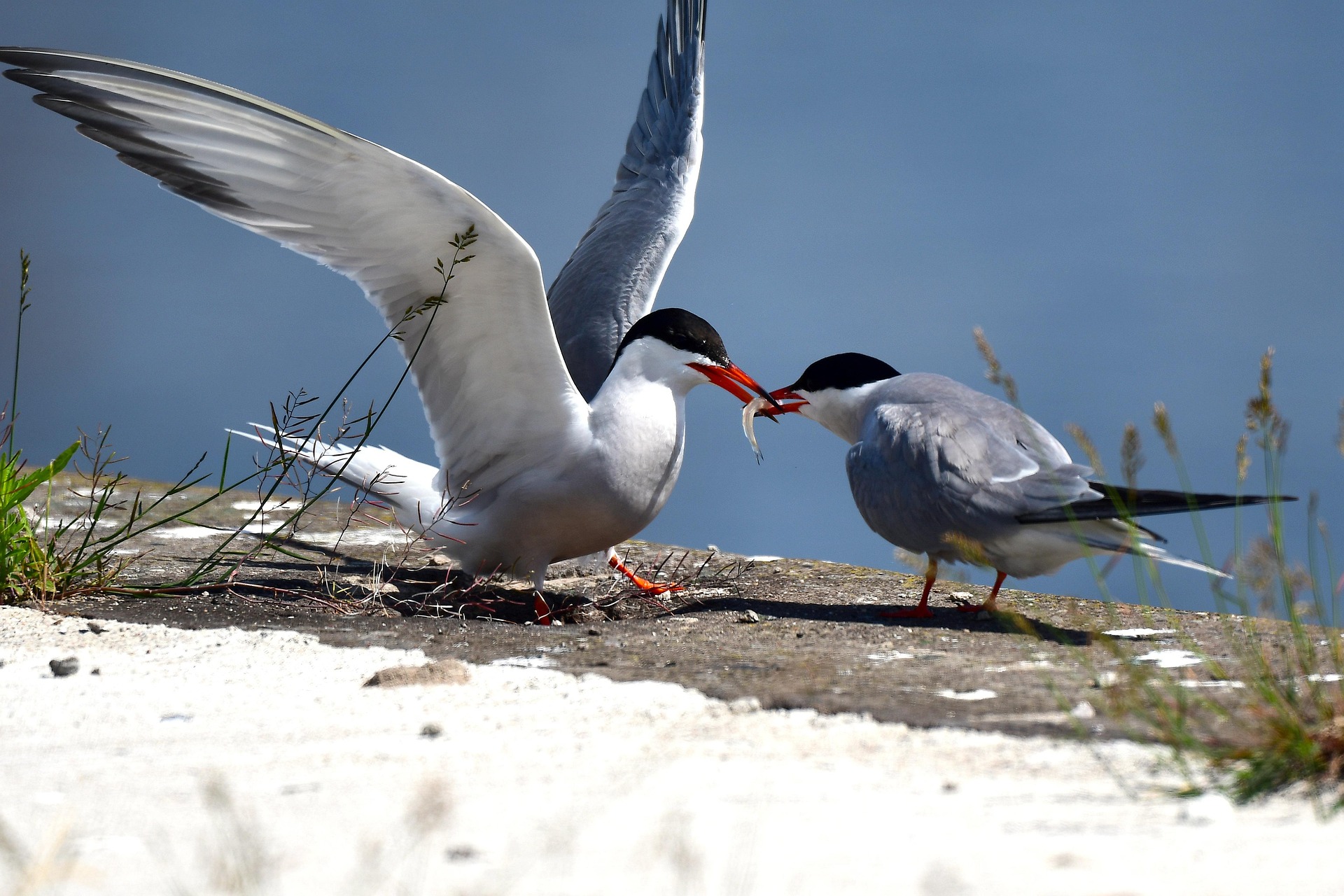
Jays, kingfishers, terns, and gulls all give gifts as part of courtship. The male will offer an item to the female as a gesture of interest. The chosen gift has meaning, often implying strength, skill, and ability to provide for a family. For instance, a male tern offers a freshly caught fish to his love interest, while a male wren presents several dummy nests to a female, letting her choose her favorite. And even after the pair is bonded, birds will often continue to feed each other to strengthen that bond.
Bird gifting as social bonding
Birds also give gifts to reinforce social bonds within flocks and family groups. Much like the human love language of gift-giving, the goal is to strengthen relationships, build trust, and maintain a strong group dynamic. For example, young ravens and other corvids will pass sticks, stones, twigs, and other small objects back and forth to develop friendships. Adults may also exchange small tokens with other group members in communal roosts. This generosity, biologists believe, reinforces the bonds needed for raising offspring together and developing tolerance for each other.
Bird gifting as resource sharing
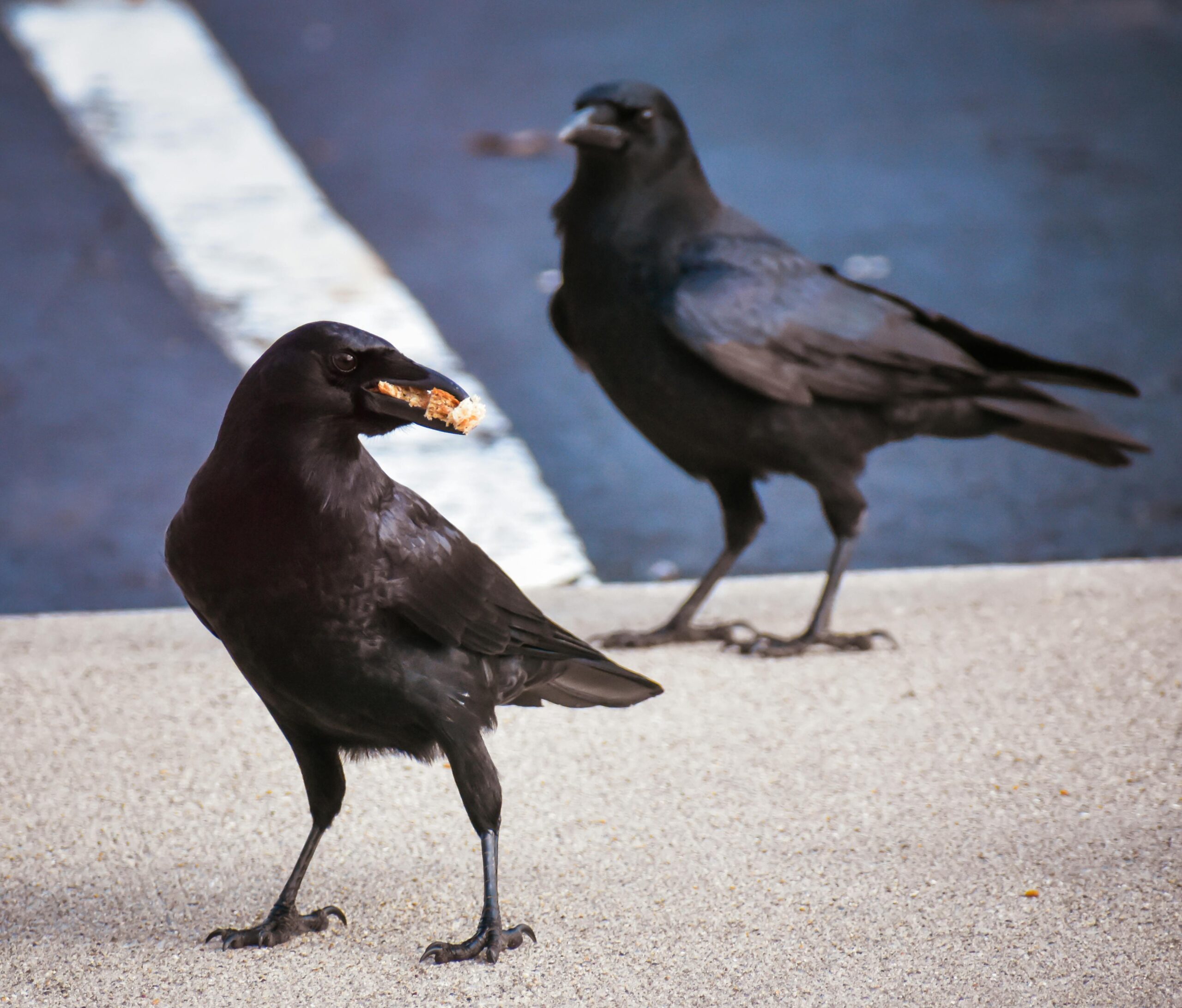
Let’s face it: birds have an uphill battle for survival. Between climate change, habitat loss, pesticide use, and scarce food supplies during harsh winters, birds are struggling. This is why resource sharing among birds is so vital. In many bird species, family groups pool resources like food and nesting materials to get them through hard times. Some birds also store caches to share when provisions are low.
Bird gifting as play
Play-based gifting is another way birds connect and collaborate with each other. Young birds pass pinecones, twigs, and other on-hand objects in playful exchanges, even engaging in tug-of-war and “keep away” games. These activities help birds develop dexterity, explore their environment, and connect with other birds.
Looking for the Perfect Nature-Lover Gift?
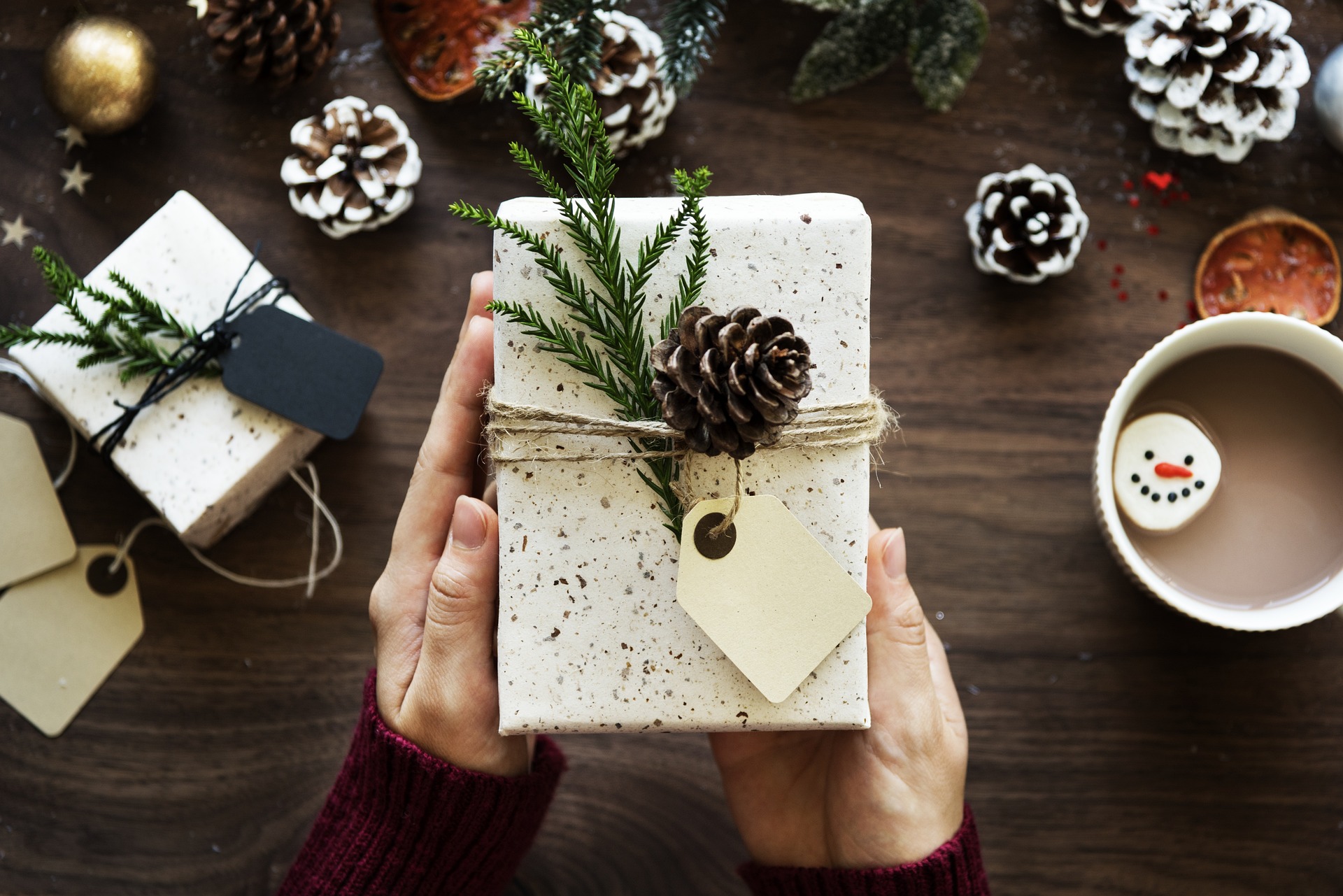
Visit the Chirp store to browse bird feeders, field guides, eco-friendly products, bird-friendly coffee, and an assortment of nature books and gifts for the whole family!