

“Cache” rhymes with “stash,” and for good reason. When birds cache, they stash food away for scarcer times, the way we might stock up on canned food for an emergency. Unpredictable food supplies—particularly during colder months—can mean the difference between a bird’s survival and starvation, turning some birds into planners.
What is Caching?
Caching is when a bird hoards food for the future, storing it somewhere safe (in fallen logs, under pine needles, etc.) until they need it. Typically, birds do this during fall and winter, when the weather is harsh and their energy is already maxed out from migrating, breeding, and raising their young. Some species—like the Clark’s Nutcracker and Mountain Chickadee—can begin nesting earlier than others because of the extra energy their cached seeds and morsels provide.
Under the umbrella of “caching,” there are two kinds: scatter-hoarding and larder-hoarding. Scatter-hoarding occurs when a bird caches food in multiple places. Each cache may be small—even as small as one seed or nut—and spaced widely to hide it from other birds and animals. When larder-hoarding, a bird stashes larger stockpiles of food in one or a few locations. Since their hoard is larger (sometimes thousands of seeds or nuts), a bird will often exhibit more territorial behavior to defend these stashes.
Which Birds Cache?
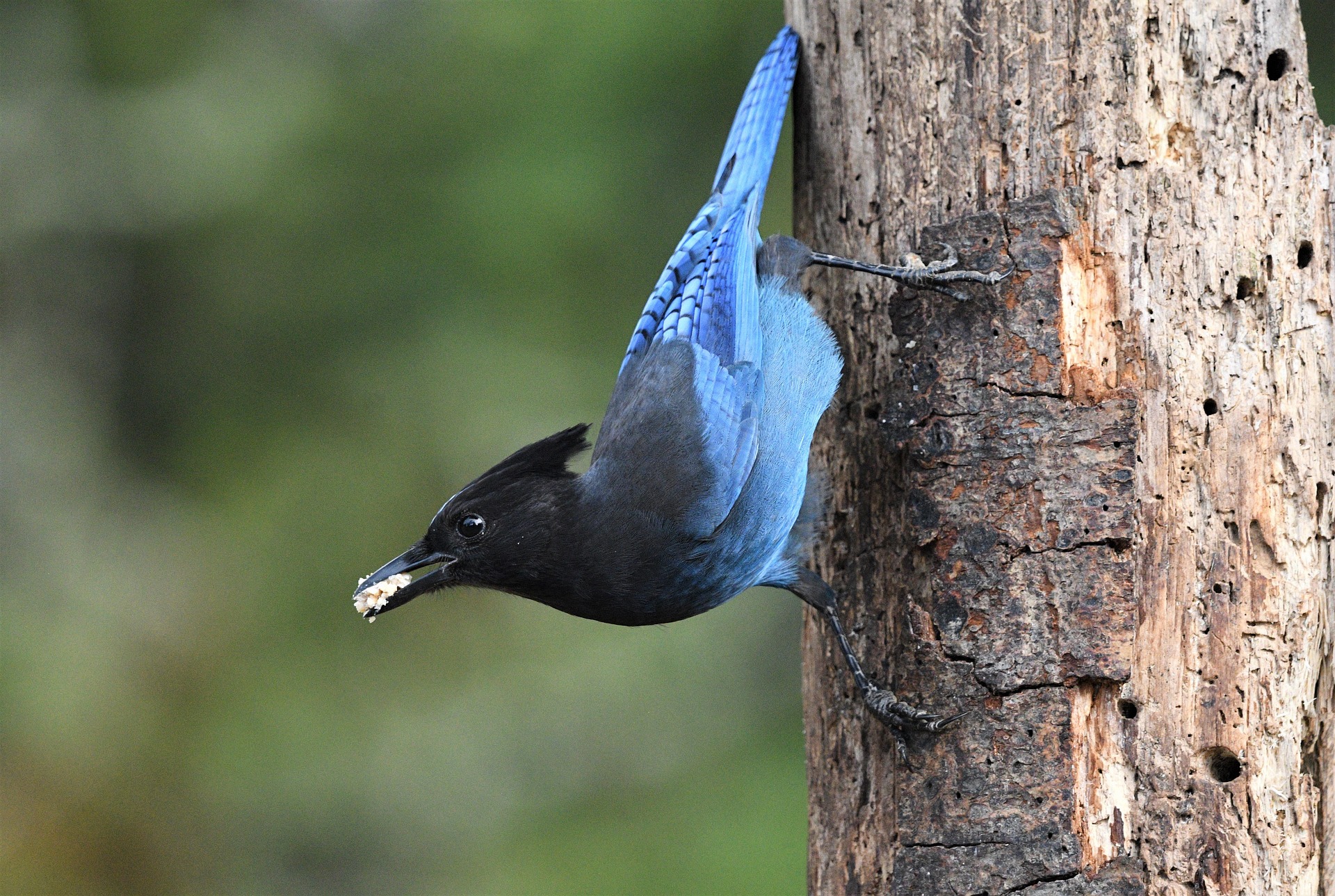
Many birds cache, some as a way of life, and others (like some finches and sparrows) do so opportunistically or in response to seasonal changes. Here are some of the most common caching birds in North America:
- Acorn Woodpecker
- American Crow
- Black-capped Chickadee
- Blue Jay
- Brown-headed Nuthatch
- California Scrub Jay
- Carolina Chickadee
- Clark’s Nutcracker
- Common Raven
- Cooper’s Hawk
- Eastern Screech Owl
- Gray Jay
- Magpie
- Mountain Chickadee
- Northern Shrike
- Pinyon Jay
- Red-bellied Woodpecker
- Red-breasted Nuthatch
- Steller’s Jay
- Tufted Titmouse
- White-breasted Nuthatch
- Woodhouse’s Scrub Jay
What Do Birds Cache?
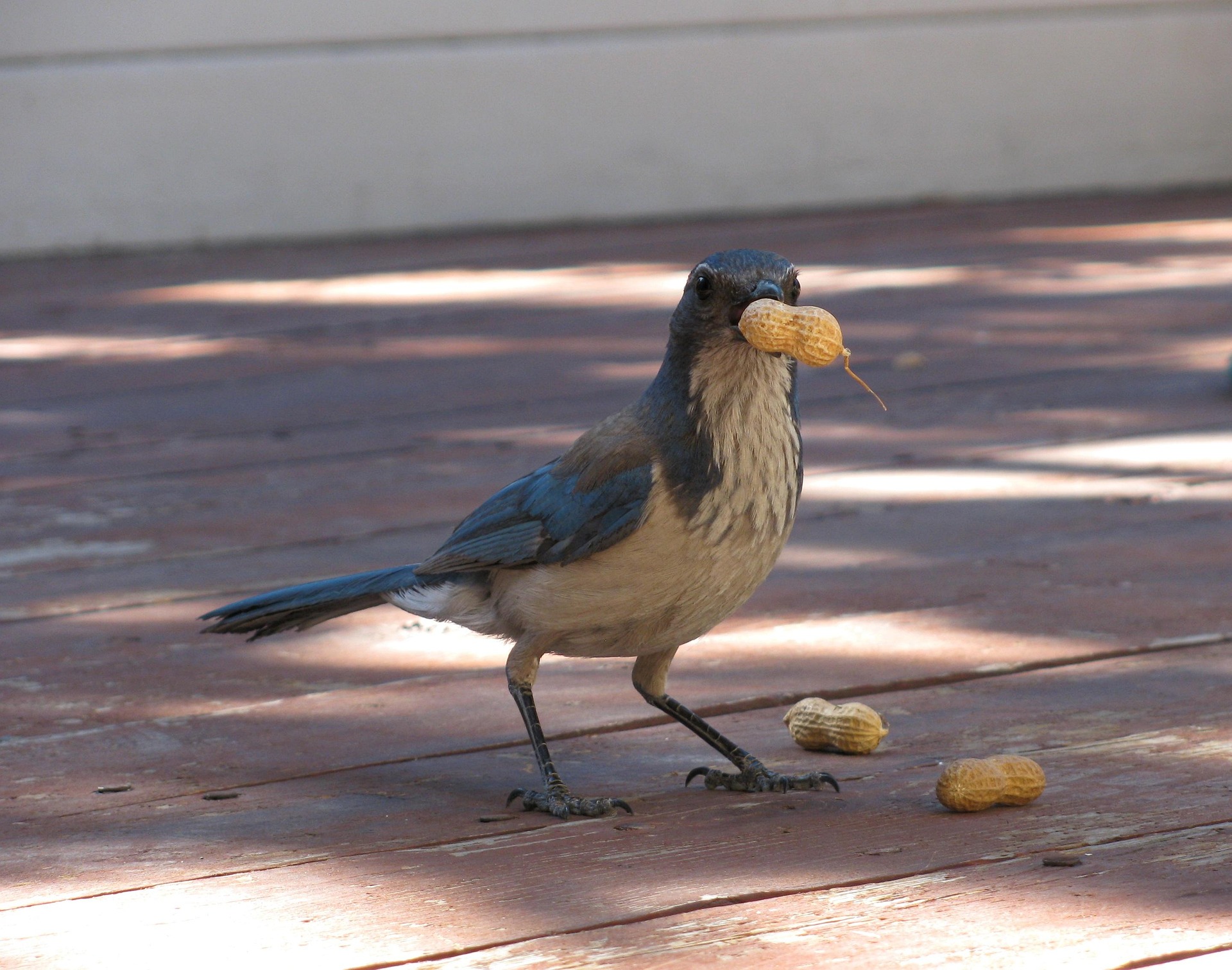
While some birds, like American Robins, stash nesting materials, and others, like jays, hide bottle caps and other small trinkets, the most common thing birds cache is food. Acorns, nuts, seeds, suet, insects, berries, and even carrion of small animals (for larger birds) are all common fare.
Where Do Birds Stash Their Cache?
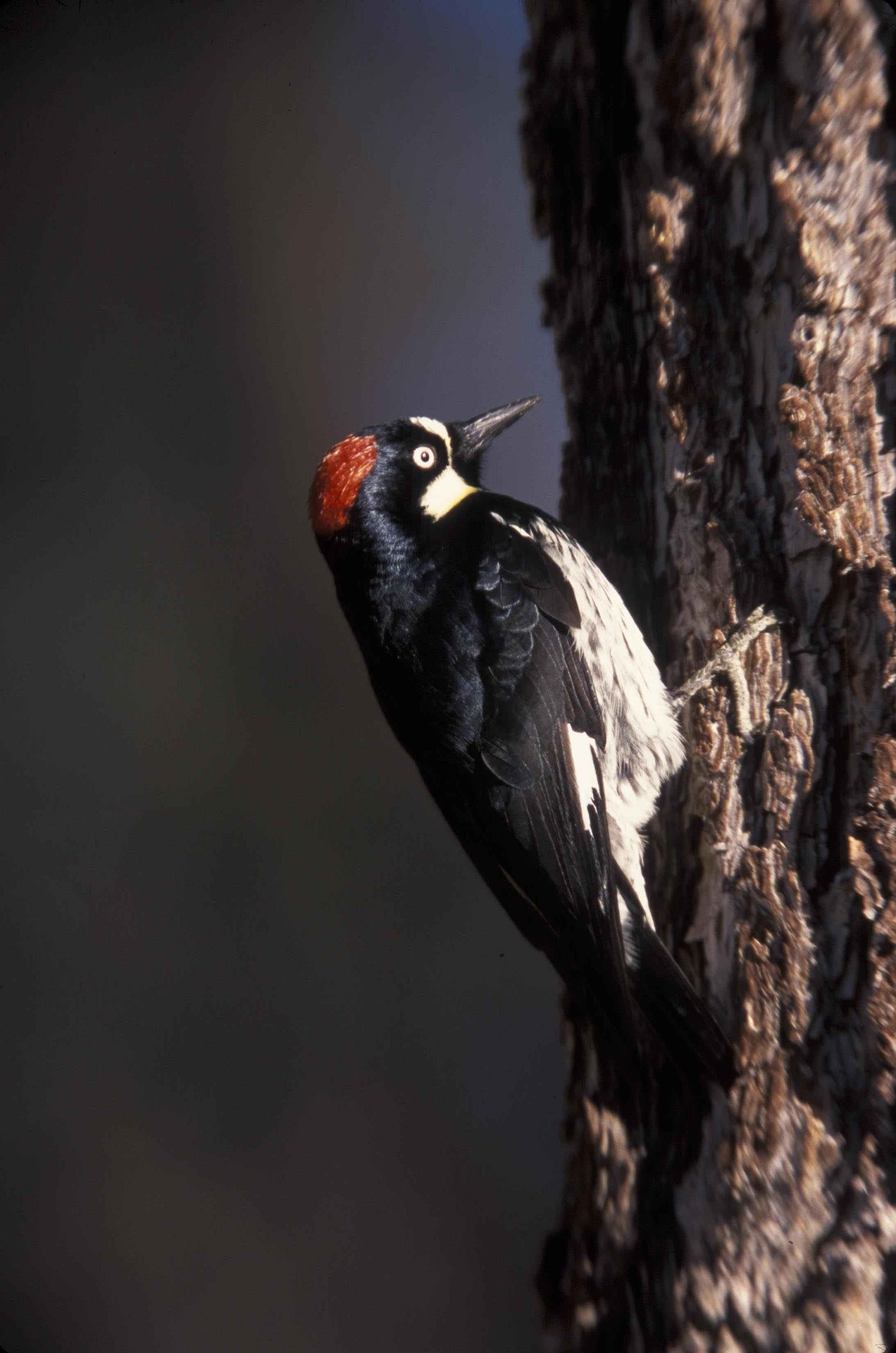
Common cache sites include under leaves and pine needles, in the cracks and crevices of tree bark, and beneath snow and soil. Some birds hide their morsels under tree branches and twigs high in trees, under rocks and logs, and even in fields and open terrain (typically for short-term scatter-hoarding caches).
What Does Caching Tell Us About Birds?
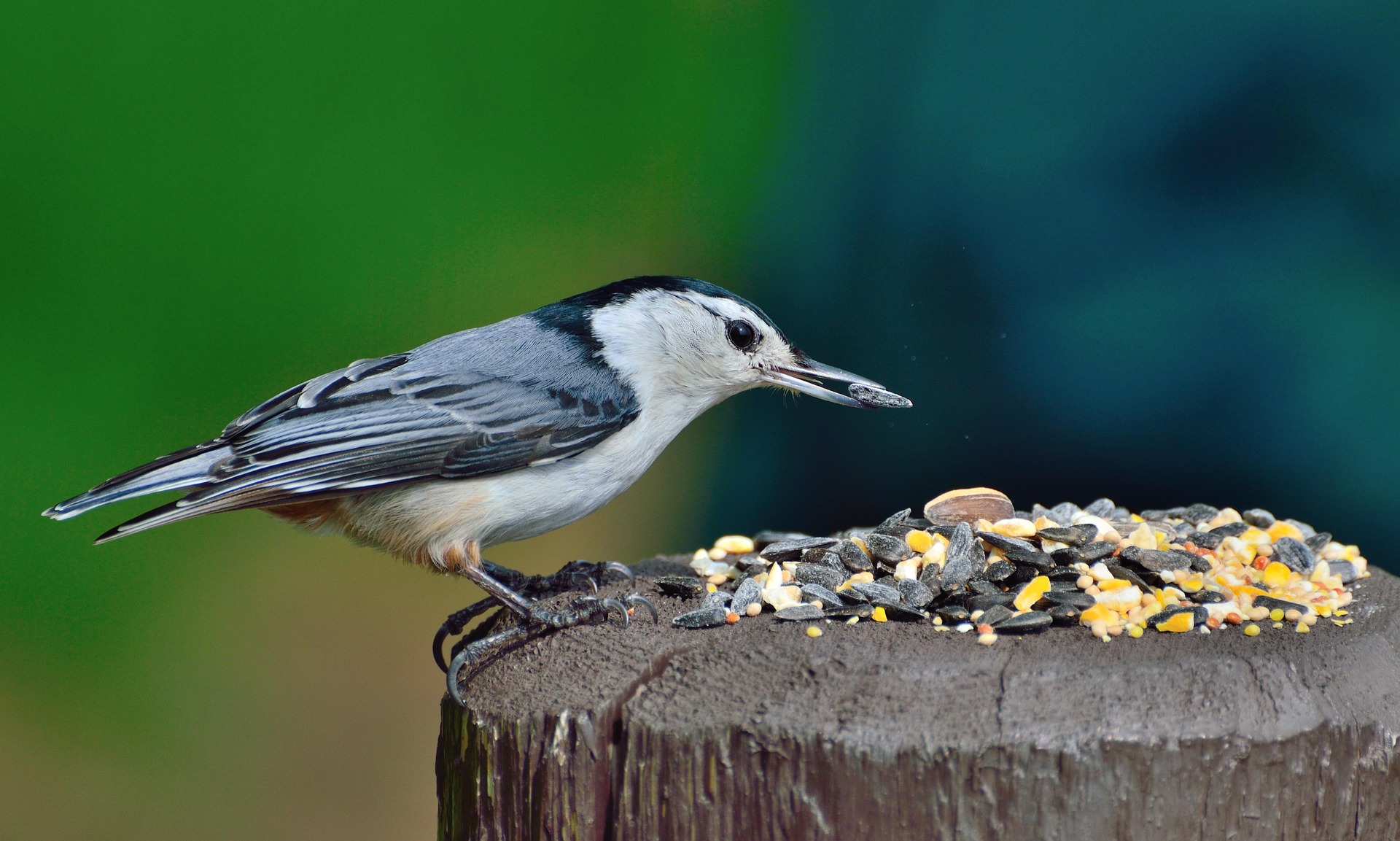
Scientists have proven that a bird’s brain is a complex processing center capable of remembering the past and planning for the future. Caching builds on this knowledge, revealing that a bird’s hippocampus (the part of the brain used for learning and memory) is larger in birds that cache food than in those that don’t. One recent study found something even more astonishing: for birds that store multiple caches, a specific and distinct pattern of neurons fires to help them remember where to retrieve each one.
When a bird caches, it uses both spatial and episodic memory to create mind maps that help it to retrieve these storehouses in the future. Spatial clues, like vegetation and sun angle, help birds to remember the cache location, the same way you or I mentally note a specific sign or color code in a parking lot. Episodic memory aids the bird in remembering what exactly they cached and how long the foodstuffs will last before they must be retrieved. All of this requires impressive brain activity that mirrors, and in some cases surpasses, humans.
How (and Why) To Help Caching Birds
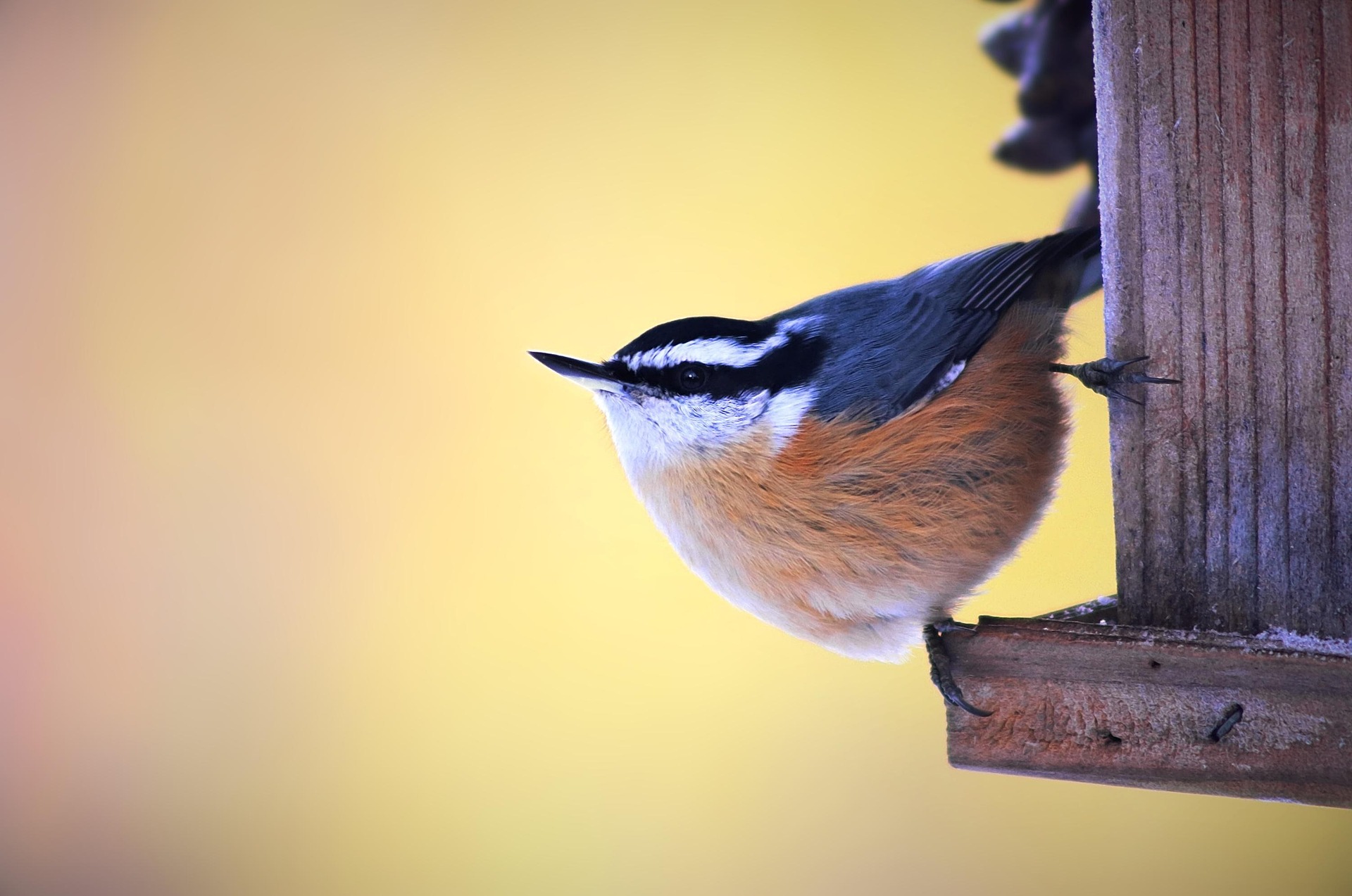
The latest data from the International Union for Conservation of Nature is shocking: 61% of the world’s bird species are in a rapid decline, in what they call a global biodiversity crisis. It’s not news that birds—the caching varieties and others—need help. And while the call for conservation is mainly directed at governmental action, the battle for birds’ lives is also being waged in the average suburban backyard. Last year alone, 43% of US households actively fed wild birds, meaning millions of backyard birders like you are making an effort to turn the tide.
Here’s a checklist of actionable ways to help:
- Feed your backyard birds year-round (but especially in fall and winter) with premium bird seed blends.
- Add black-oil sunflower seeds, peanuts, and suet to your backyard food offerings for wintering (and caching) birds.
- Plant native trees, plants, and shrubs, including those that provide natural food (like berries and nuts) that birds can cache. Leave yard debris for nesting and caching birds.
- Put a birdbath in your outdoor space, and maintain it by adding fresh water every few days, and cleaning it regularly. Consider a heated birdbath to prevent the water from freezing in cold temperatures. (And, yes, birds need water in winter too.)
- Shop locally—come see us at Chirp and grab a bag of bird seed, some bird-friendly coffee, or a cute plushie toy for your little birder.