
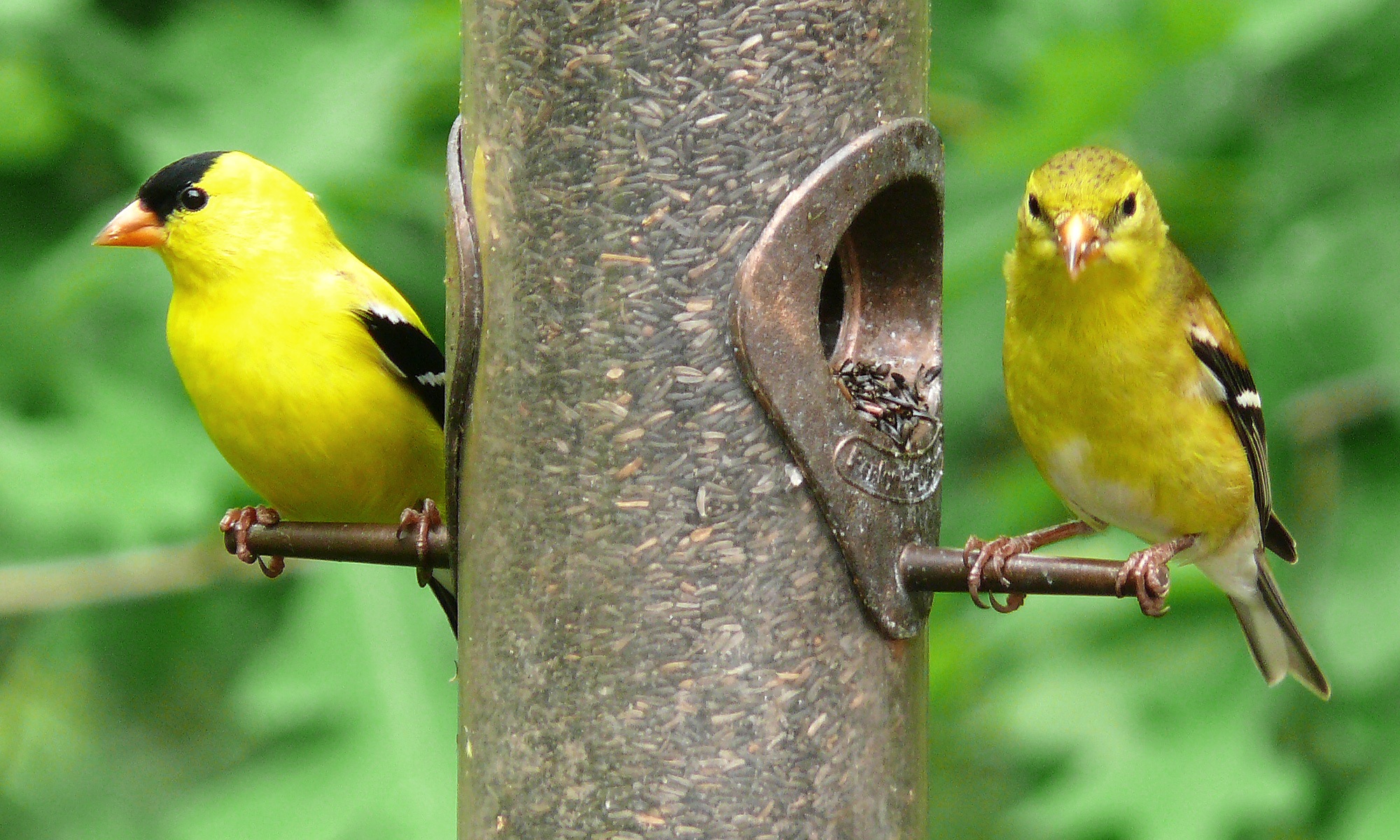
When it comes to high-quality bird seed mixes vs. the cheap stuff, does it really matter what’s in your bird feeder? What’s the difference? And if birds are eating the seed, does it really matter? Here are some good reasons to stick to premium bird seed blends when filling your feeders.
Nutrient-Rich Seed = Healthier Birds
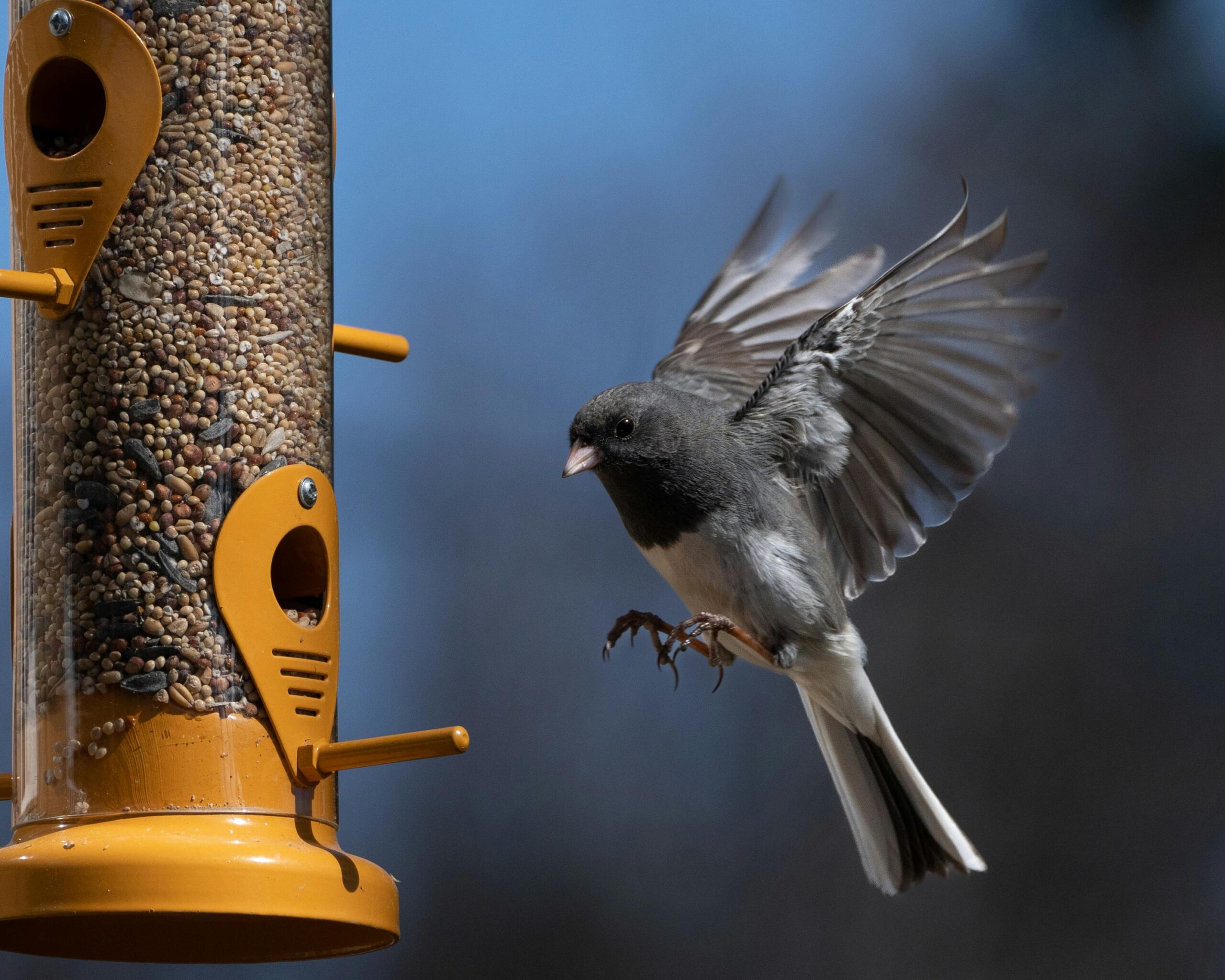
Much like fast food makes us sluggish, cheap bird seed lacks the nutrients needed to keep birds going. These cheap seed mixes are full of fillers like millet, milo, corn, and wheat—the stuff that birds won’t eat. These fillers end up under your feeders, attracting mice and other unwanted pests. And worse—some seed mixes that you buy at your local big box store may contain artificial additives that inhibit a bird’s digestion.
High-quality bird seed mixes are full of the nutrients, fat, protein, and vitamins that birds need so they can fly, mate, nest, and migrate. These are also the hearty mixes that get birds through the toughest times—the winter months —when natural food sources are scarce.
What to look for in a high-quality bird seed:
- High-quality ingredients like black-oil sunflower seeds and peanuts
- Locally sourced seed to ensure freshness and sustainability
- Less fillers like milo, wheat, and finely cracked corn
Premium Seed Attract More Birds
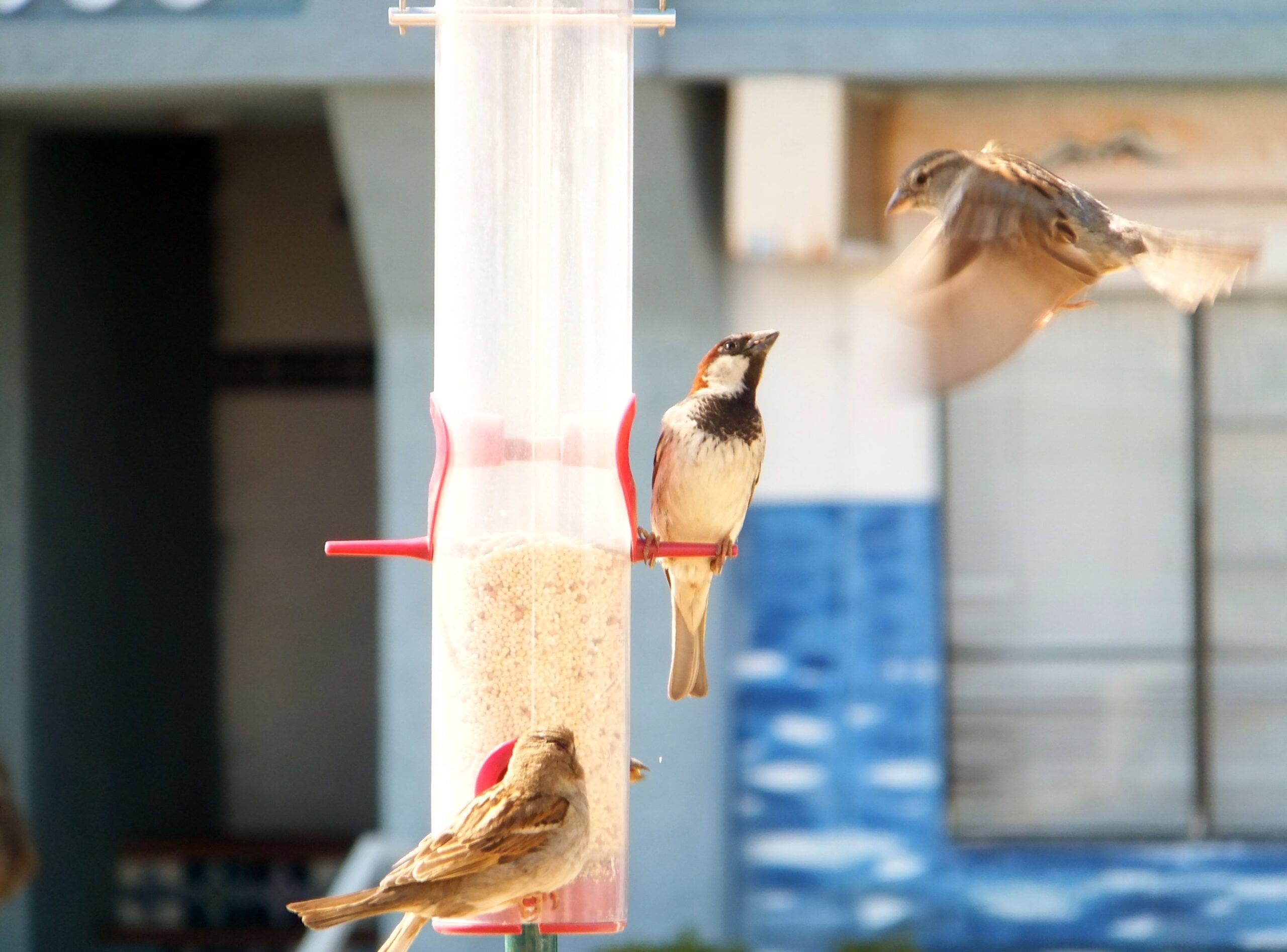
When it comes to backyard bird feeding, the popular line, “If you build it, they will come” should be tweaked to “If you fill it (with premium seed), they will come.” You’ll be surprised how many more types of birds you’ll see at your feeders when you fill them with the good stuff. This is especially true when you do a little research on what your local birds like. For example, Southern California birds like House Finches and California Scrub Jays (among others) love black-oil sunflower seeds, while American Goldfinches love Nyjer seeds. Now that you know what your local favorites love, seek out the high-quality version of those foods for your feeders.
If you need help knowing what your local birds eat, see our downloadable guide: What Birds Eat: A Supplemental Feeding Guide for Big Bear Lake and the Surrounding Southern California Area.
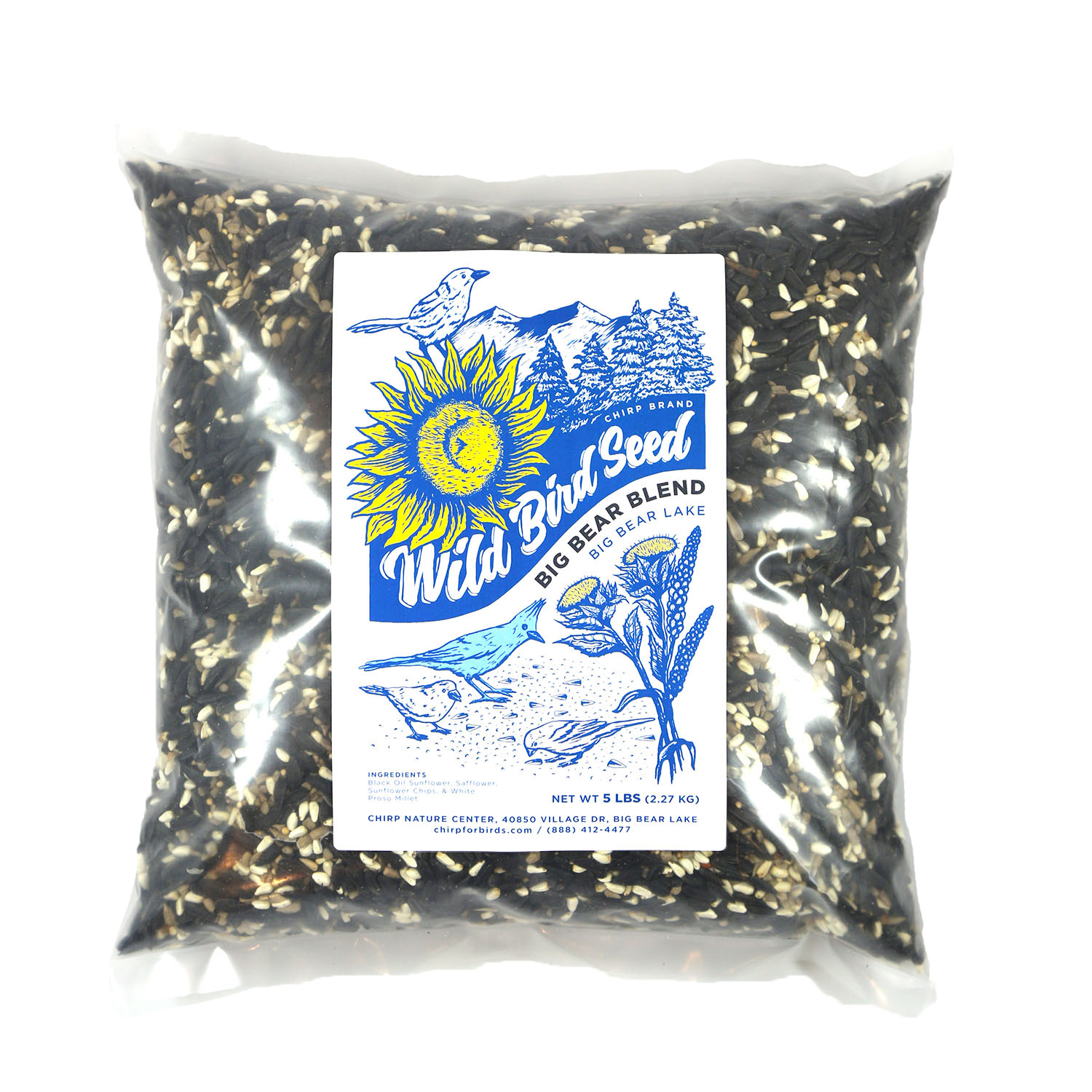
Feeding Big Bear birds? Try Chirp’s proprietary Big Bear Blend, formulated specifically for our local birds!
Less Filler, Less Mess Under Feeders
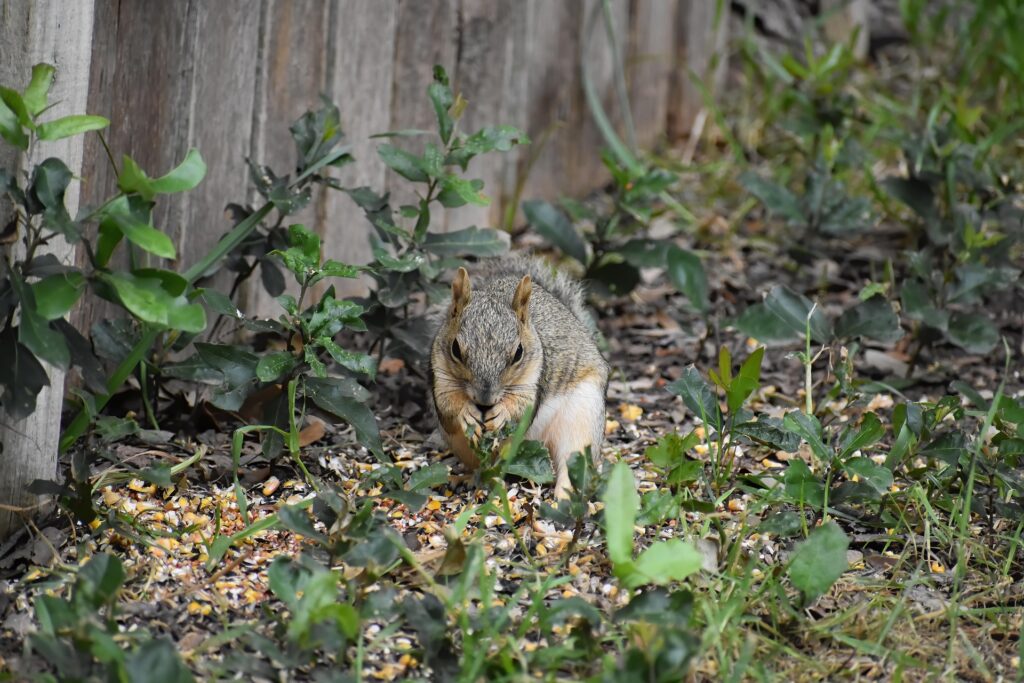
Cheap seed mixes are chockfull of fillers, which get cast out of the feeder by picky birds. This mess is what can attract pests like rodents, squirrels, chipmunks, and raccoons. Sure, you can spend every afternoon cleaning up the mess under your feeders, but why would you want to? Especially when there are alternatives that not only save you the headache, but save money in the long run?
High-quality mixes contain less fillers that fall to the ground, meaning less mess and less money falling out of your wallet, essentially. Not only do these messes bring unwanted guests, but the fallen seed can also become moldy and could spread diseases to birds and other wildlife. Adding seed trays and baffles can help, but you’ll still end up wasting money on seeds that birds don’t want.
Help the Declining Bird Population
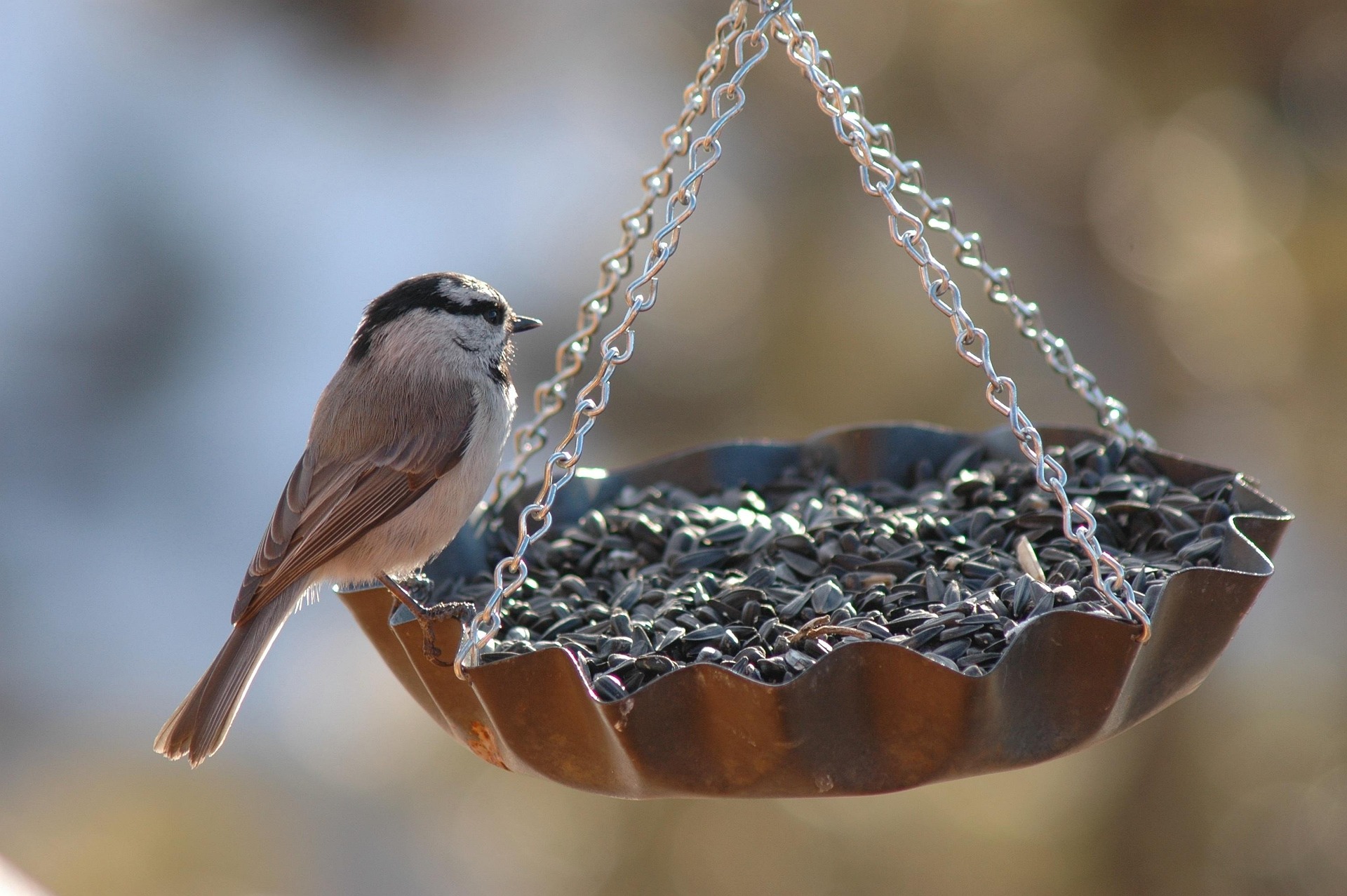
Birds have it tough. Their populations are declining at a rapid rate showing no sign of slowing. From losing habitats at a fast rate to coping with climbing temperatures due to climate change, birds need our help. You can support your local birds by feeding them quality seed mixes that sustain their energy through harsh winters and long migrations.
When you think of the fact that birds must consume up to 10,000 calories a day, it’s no wonder that food is a priority for them. They expend a lot of energy foraging for food, which can become stressful during winter months, when natural food sources like insects and berries are less abundant. Birds then turn to supplemental food sources, like your bird feeder, for sustenance for both them and their burgeoning family. And finding more nutrient-rich bird seed means more energy to sustain them longer.
Sustainably Sourced Seed Helps More Than Birds
The shelf life for most bird seed is anywhere from 6 months to 2 years. The trouble with that is that you don’t know how long it’s been sitting on the shelf of your local large retailer. And even if you get the quality stuff, black-oil sunflower seed has a shelf life of 6 months to a year, meaning that your local big box store could be selling you expired seed.
Whether or not your bird seed is fresh, another important consideration is: is it locally sourced? Is it sustainable? Does buying it support my local community, my friends and neighbors, and local small businesses? Thankfully, buying from a local small business like Chirp helps you answer “yes” every time. Our Sustainability Credo promises that we practice responsible stewardship of our planet by offering sustainable retail that considers the full impact of our decisions. In doing so, we seek to do more with less, increasing the efficient use of our resources by offering carefully curated products that consider the health of our local birds and community. One example is our Big Bear Blend seed mix, which contains ingredients sourced from local, trusted vendors. In this way, we give back to our community by supporting other small businesses and ensuring that our seed mixes are fresh and sustainable.