
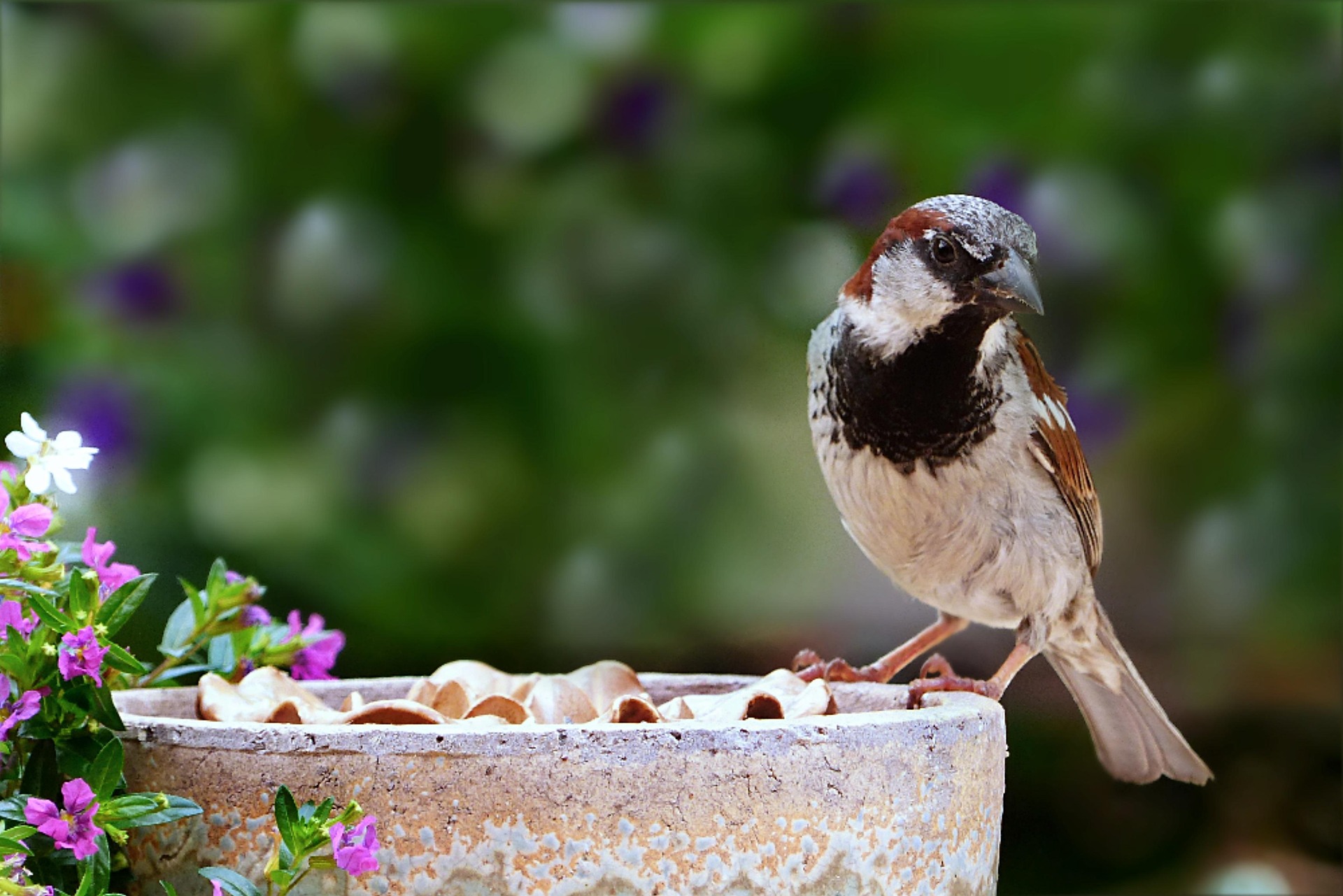
Ever wondered if that House Sparrow or Dark-eyed Junco at your bird feeder is the same one that visited last year? This question then begs the next: how long do wild birds actually live out in the wild? Well, as you can imagine, the answer is not that simple. Let’s consider a few variables.
Which Factors Affect the Lifespan of Wild Birds?

Between size, genetics, and the environment, a lot of factors go into how long a wild bird will live. Typically, larger birds like eagles and owls have significantly longer lifespans when compared to smaller birds like hummingbirds and songbirds. There are several reasons why this is so. For instance, smaller birds have higher metabolisms, meaning they expend more energy—and at a faster rate—than larger birds. Then there are the dangers around them: smaller birds have more predators than larger birds (which, sometimes, are the predators). But large or small, the bird population as a whole is suffering huge losses due to environmental factors like climate change and habitat loss.
Learn how to help the declining bird population.
How Do They Determine the Age of a Wild Bird?
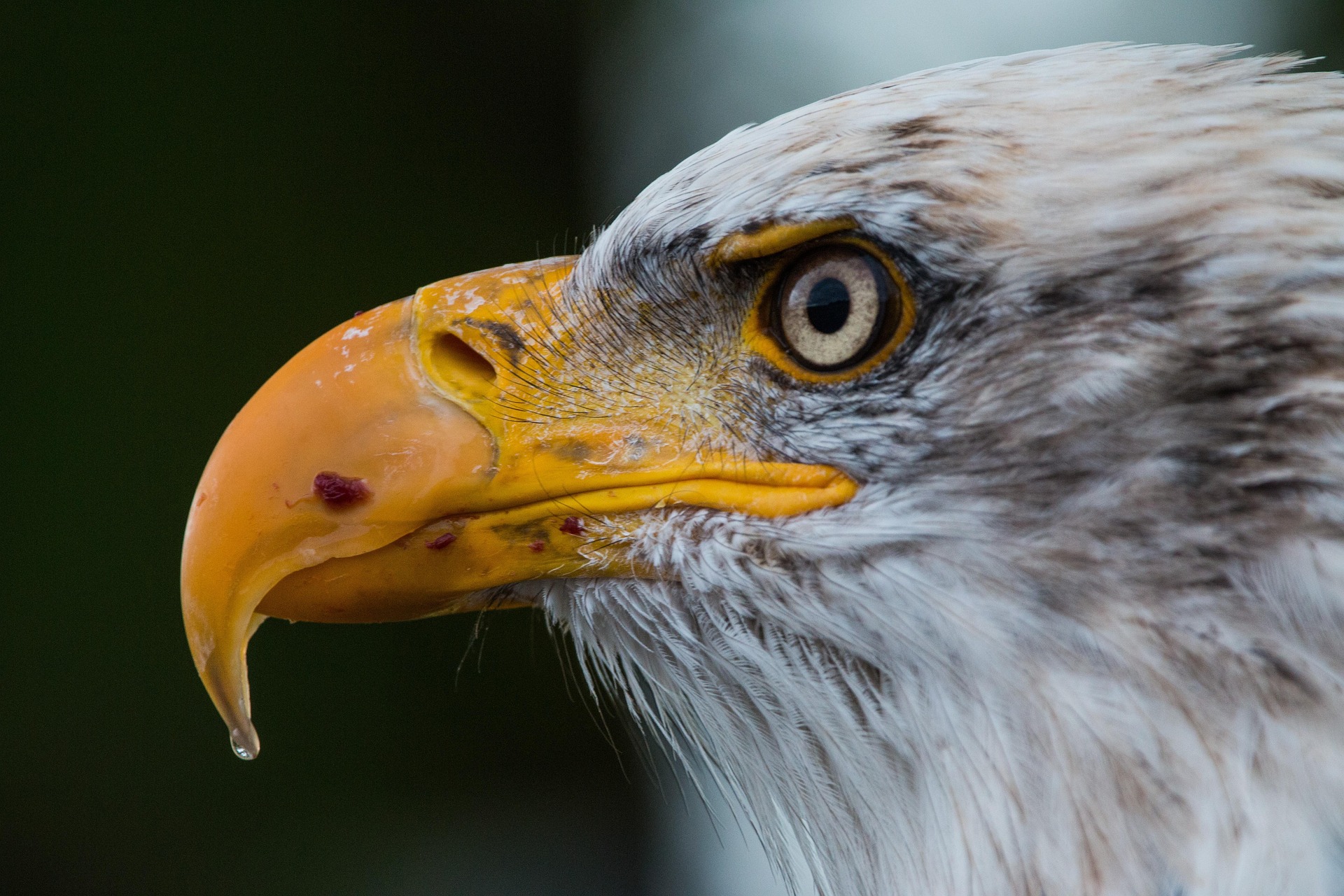
No, they don’t have gray hair or crow’s feet (unless they actually are crows). Unlike us humans, you can’t tell a bird’s age just by looking at it. But their bodies do age, just like ours, and experts can determine that age (at least partially) by the deterioration they see. Another way is by watching for decreased fertility, which shows itself in smaller clutch sizes. Feather and molt patterns, along with eye color (dark to light), are also clues to whether a bird is a juvenile, adult, or older.
Which Wild Bird Has the Longest Lifespan?
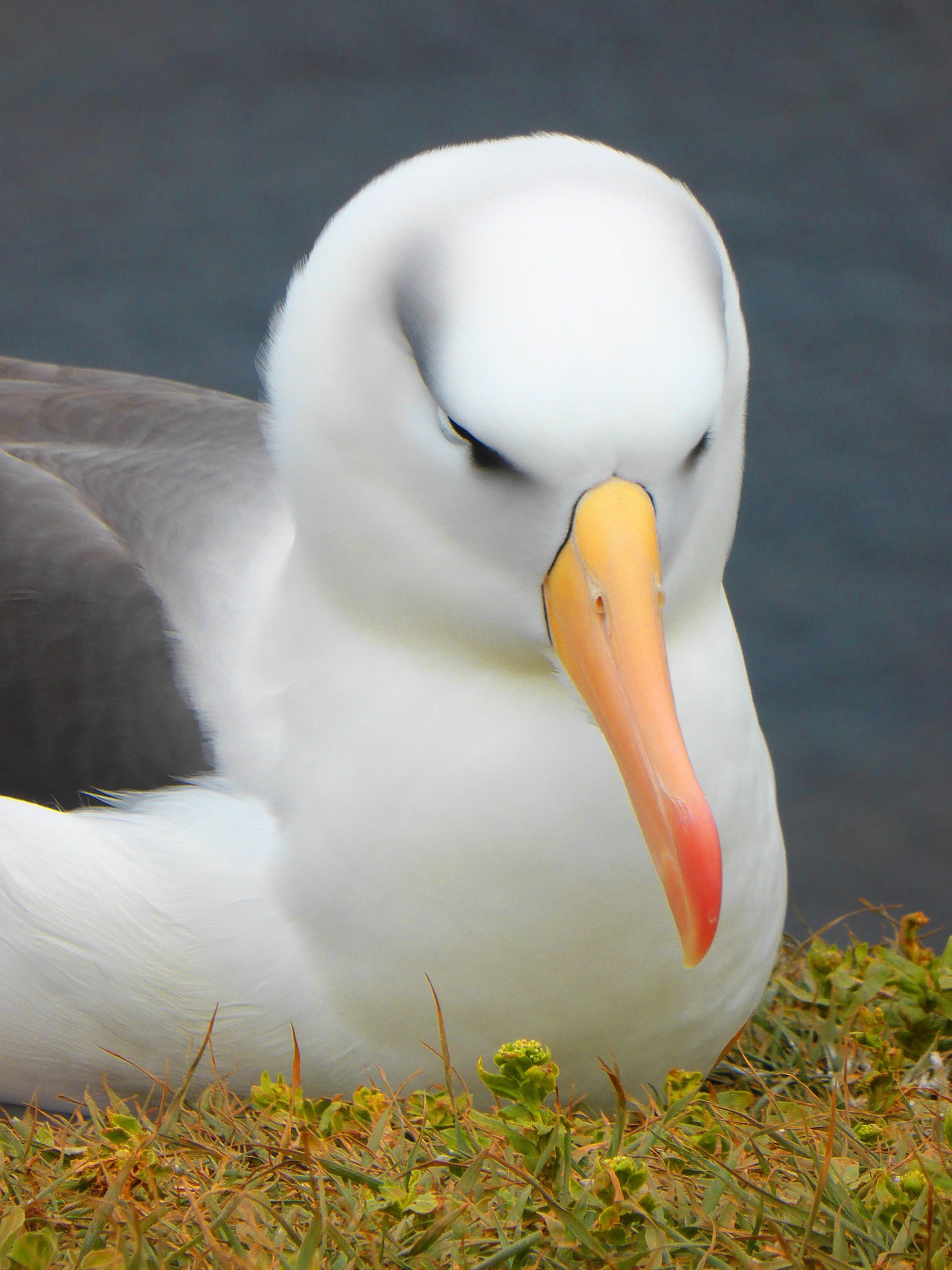
The Laysan Albatross, often found soaring across the Pacific coast, has one of the longest known lifespans for birds, at 70+ years. Andean Condors just pass them at around 80 years. From there, the lifespan lowers significantly to include Great Horned Owls at 27+ years, Red-tailed Hawks at 25+ years, Great Blue Herons at 23+ years, and Sandhill Cranes at 18+ years.
The Average Lifespan of Wild Birds*
| Bird type | Average lifespan in years** |
| Allen’s Hummingbirds | 3-5 |
| American Goldfinches | 3-6 |
| American Robins | 1-2 |
| Anna’s Hummingbirds | 8-9 |
| Bald Eagles | 20-30 |
| Barn Swallows | 3-4 |
| Black Phoebes | 8-10 |
| California Scrub-Jays | 7-9 |
| Canadian Geese | 20+ |
| Cassin’s Kingbirds | 6-9 |
| Clark’s Nutcrackers | 17+ |
| Cooper’s Hawks | 1-3 |
| Common Terns | 9-12 |
| Downy Woodpeckers | 1-2 |
| Great Blue Heron | 15-20 |
| Great Horned Owls | 13-15 |
| House Finches | 5-10 |
| Mountain Chickadees | 8-10 |
| Mountain Quail | 1-3 |
| Mourning Doves | 1-2 |
| Pinon Jays | 5-6 |
| Prairie Falcons | 2-5 |
| Purple Martins | 1-2 |
| Pygmy Nuthatches | 1-2 |
| Rufous Hummingbirds | 9 |
| Spotted Owls | 10-15 |
| Spotted Towhees | 10 |
| Western Grebe | 9-16 |
*This is not a complete list, but rather a list of some of the wild birds found in Big Bear Valley and the surrounding area. **Please note that these numbers are averages, and that some birds in each category have been found to live much longer.
The Effect of the Environment on Wild Bird Populations
Disappearing habitats, increased competition for natural food sources, rising temperatures: all these factors affect the lifespan of wild birds. A 2019 study revealed that we’ve lost 3 billion North American birds in the past 50 years. And the latest State of the Birds Report for 2025 showed that our bird populations continue to decline. Forty-two bird species have shown a steeper decline, putting them in a “high concern” state, with 37 other species also at their tipping point. Unfortunately, that’s not where it ends: 71 bird species are considered vulnerable due to a combination of declining populations and high threat levels. And forty-six of our most common bird species (such as sparrows) are still suffering substantial losses despite their abundant numbers.
What Can We Do to Help Wild Birds Live Longer?
It’s easy to feel overwhelmed by these sobering statistics. But don’t forget: there are still many things we can do daily to help the birds.
Reduce or eliminate single-use plastics. Did you know that every year, nearly 18 billion pounds of plastic are dumped in the world’s oceans? Plastic pollution is a major threat to birds, who can get trapped in or ingest the plastic and die.
Learn more on how to reduce your plastic use.
Keep your kitty indoors. Cats are cute. They’re part of the family, and we love them. But when outside, they are also one of the top threats of wild birds. Over 2 billion (yes, you read that right: billion, not million) birds are killed by outdoor cats each year.
Read more reasons to keep your cats indoors, and how to make it fun for them!
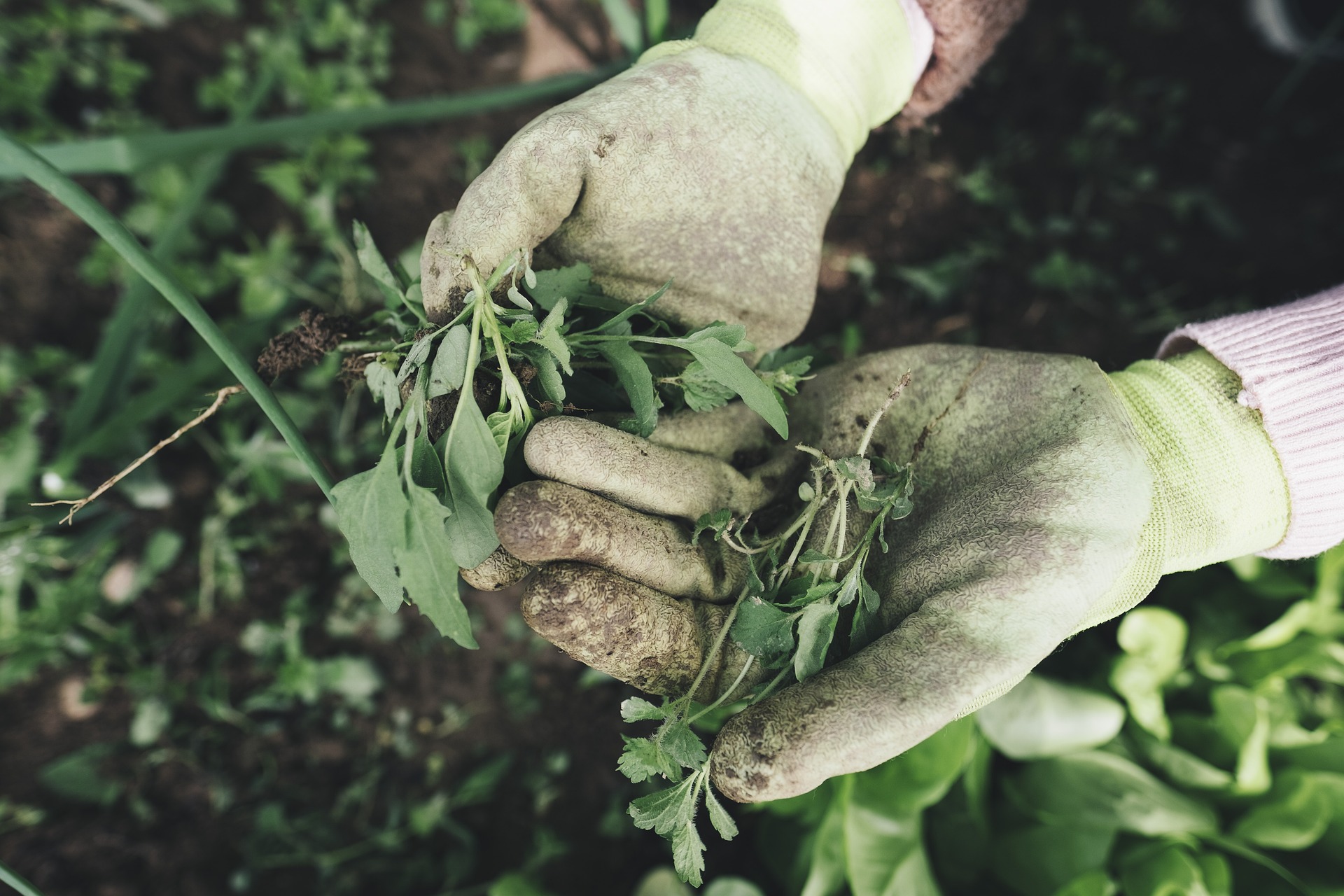
Stop using pesticides in your garden.
Birds may get sick, and sometimes even fatally, from eating fruit, seeds, and grain from chemically treated plants. And even if they don’t get sick, treating your plants with pesticides gets rid of the insects that birds need for food. Instead, try to find natural and organic alternatives to pest and weed control.
Find out more ways to treat your garden—and garden pests—naturally.
Everyday Ways to Help Wild Birds
- How to Keep Nest Boxes Cool in Hot Summer Weather
- How to Help Big Bear Birds Affected by Recent Wildfires
- Simple Ways to Live More Sustainably Each Day
- Which Human Foods Are Bad for Birds?
- The Benefits of Bird-Friendly Coffee
- Bird Conservation Organizations We Love
- How Climate Change Affects Wild Birds (and What We Can Do)
- How to Help an Injured or Sick Wild Bird
- 5 Ways to Prevent Window Collisions and Keep Birds Safe
- How to Turn Your Garden or Yard into a Certified Wildlife Habitat