
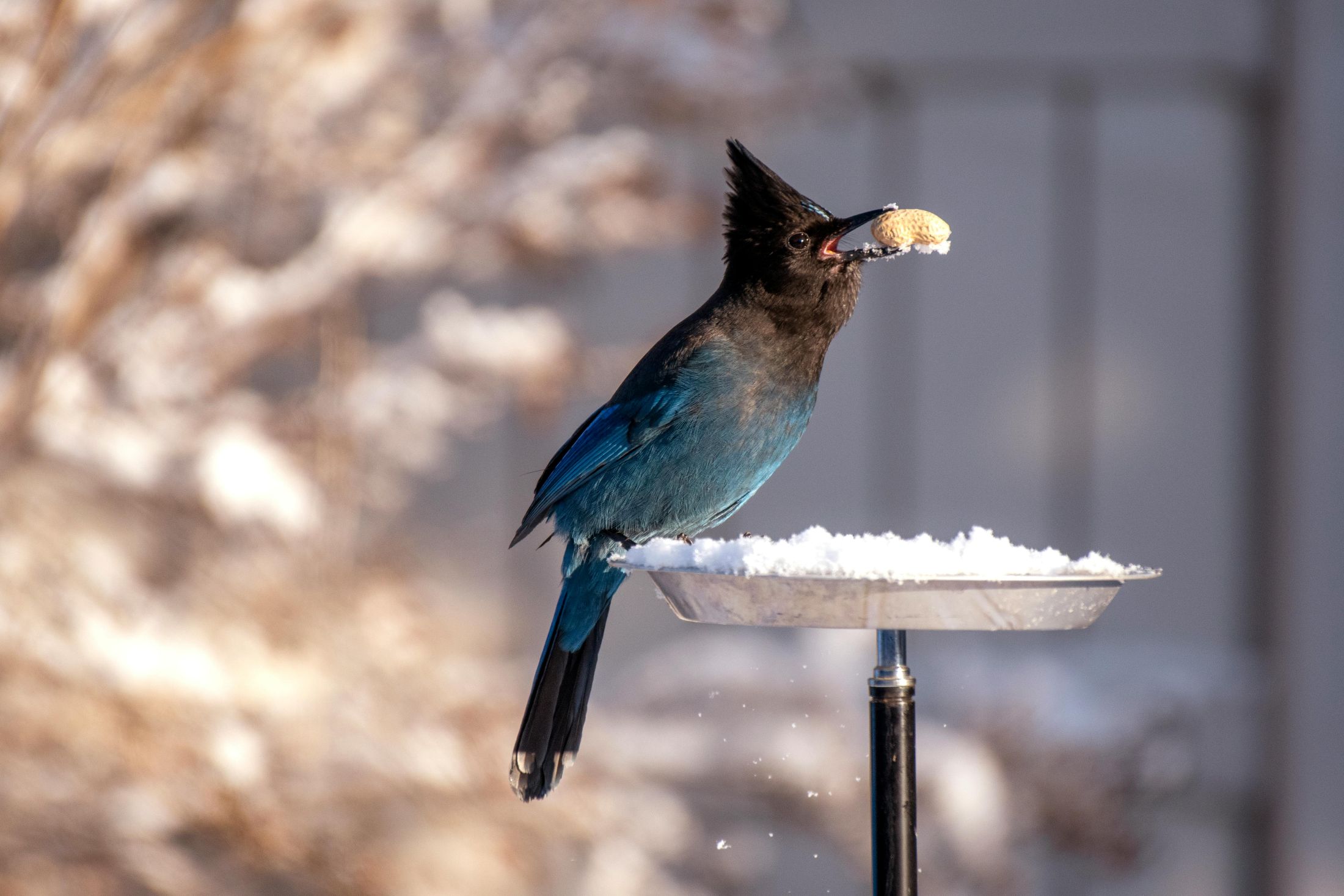
Winter is a beautiful season in Big Bear, but it can also be a harsh time for wild birds. Freezing temperatures and dwindling supplies of berries and insects make survival a daily challenge. The good news? It takes just a few simple steps to transform your yard into a winter refuge for wild birds. Here’s how to winterize your outdoor space to attract and support the birds all season long.
Bulk Up the Bird Feeder with Energy-Rich Foods
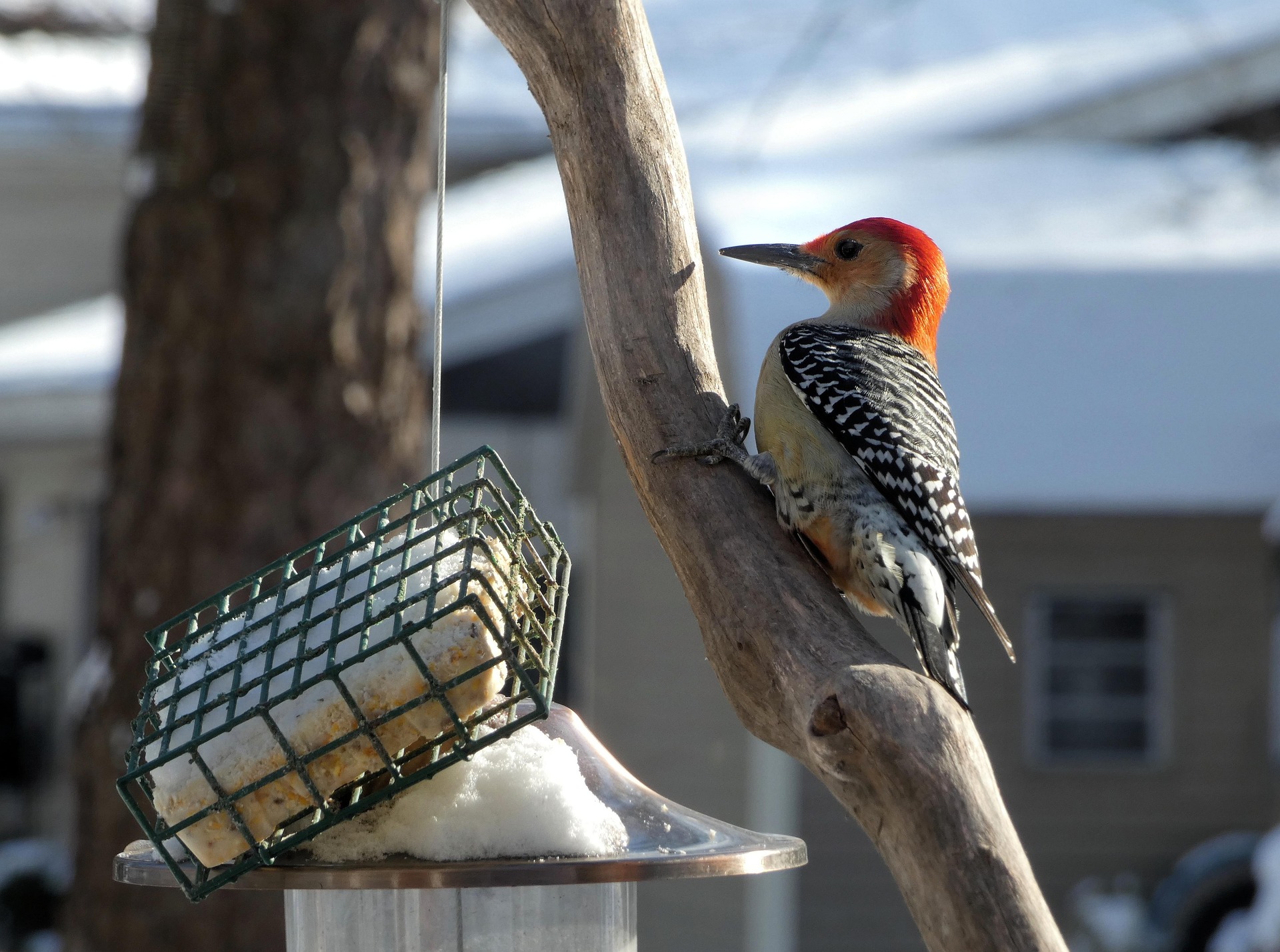
It’s cold, and birds are burning calories to maintain their body heat, and simply to stay alive. Shorter days mean less sunlight and less heat, so their bodies are working overtime. And since fewer daylight hours also means less time to hunt for natural food sources (which are often covered in snow anyway), every second counts. Your yard can become that wild bird respite, where birds can feast on suet, black-oil sunflower seeds, peanuts, cracked corn—all high-energy foods that fuel them.
Give Your Bird Feeders a Thorough Clean-Out
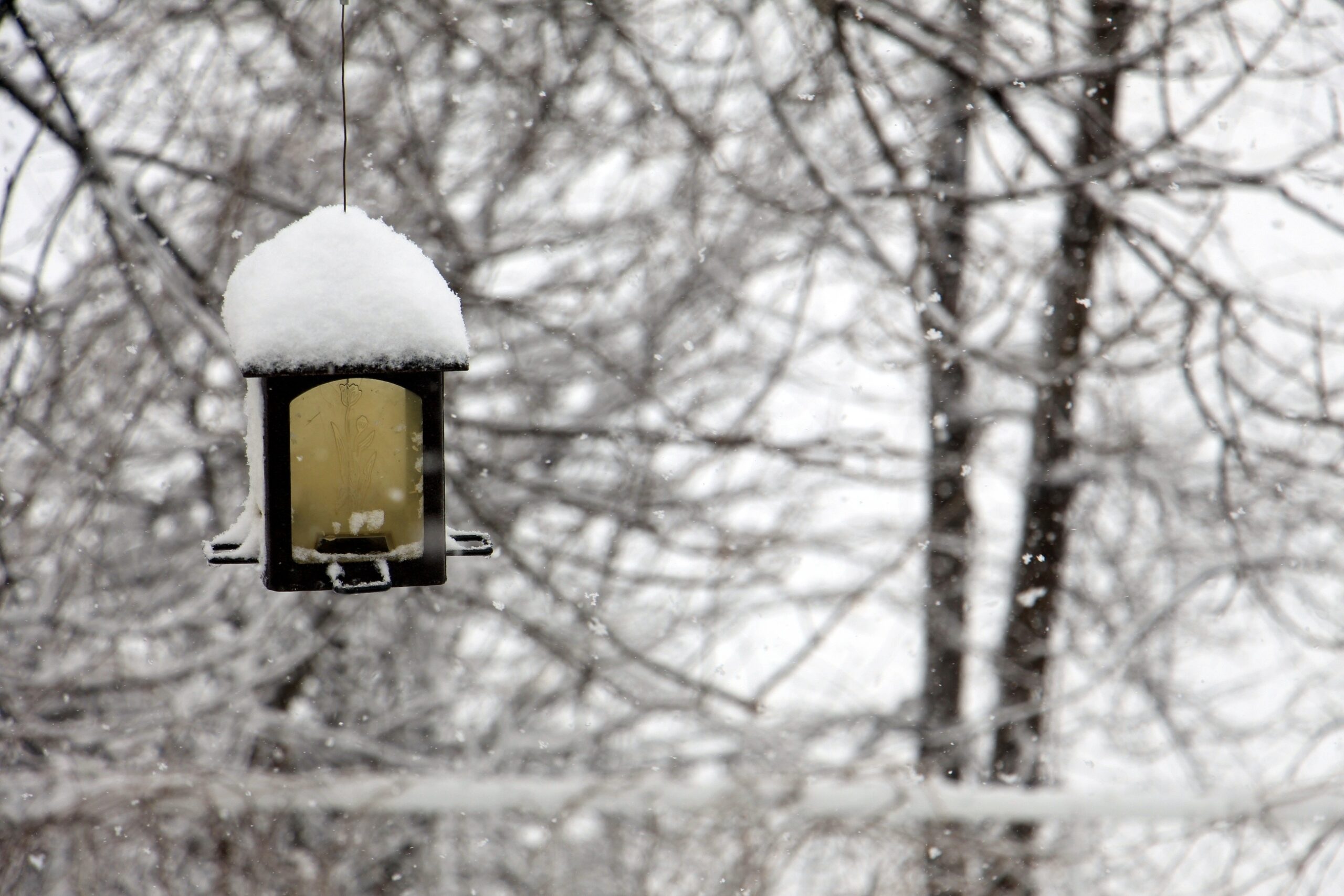
A clean bird feeder does more than just look nice—it helps keep birds healthy. When feeders are left unattended for too long, old seeds can become moldy, and mildew and harmful bacteria can form, increasing the risk of disease. It’s important to discard old bird seed and give the feeder a thorough washing (a three-to-one water-vinegar solution should do the trick) regularly. This time of year, winter weather can quickly turn bird seed soggy and spoiled. Check your feeders every few days (especially after a rainy or snowy day) to ensure the seed is fresh and dry. If possible, move your feeder to a covered spot that’s protected from the elements. And don’t’ forget to sweep up any spilled bird seed on the ground, so you don’t attract any unwanted guests!
Offer Water for Bird Bathing and Drinking
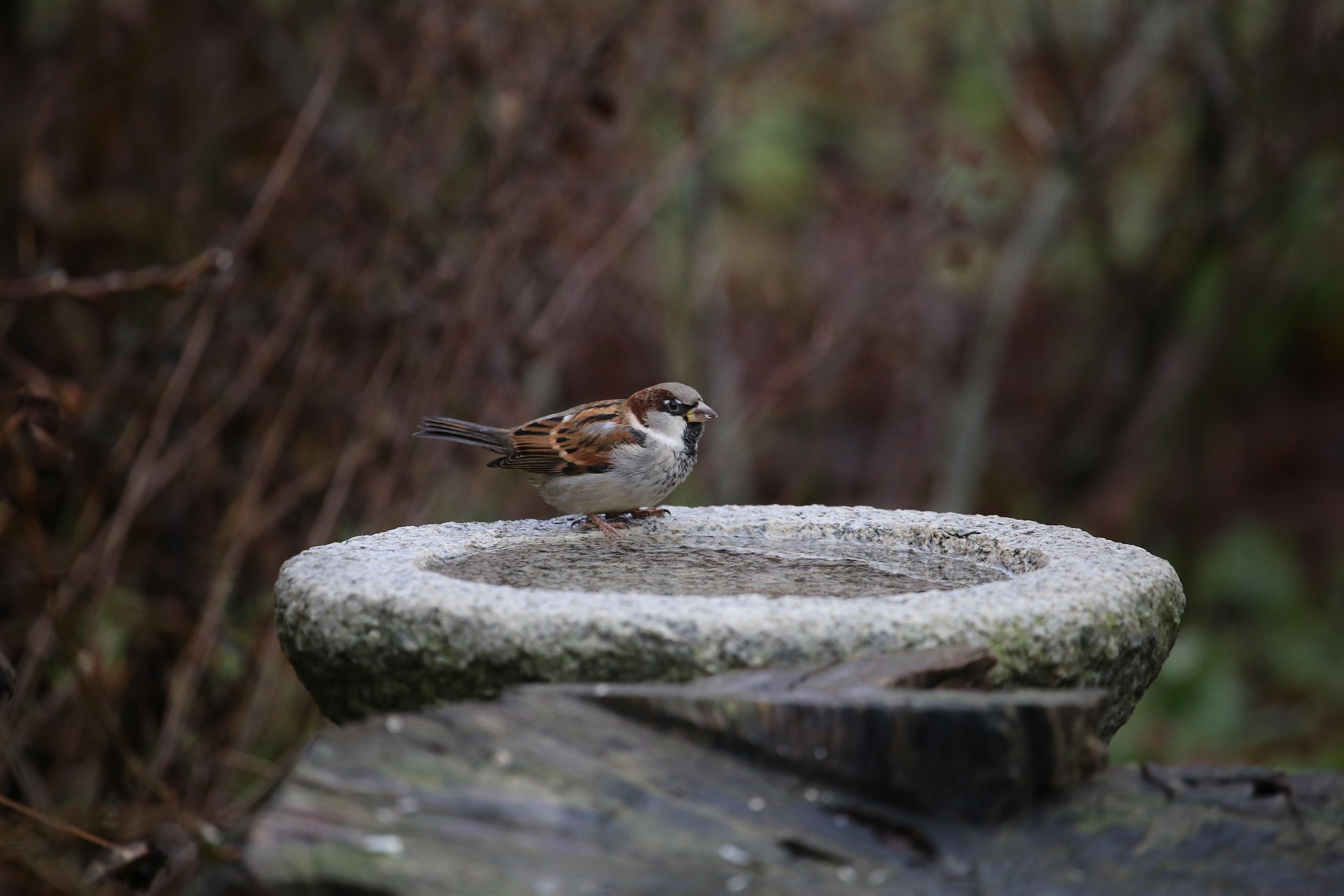
Yes, birds need water all year—even in winter. And yes, there are ways to keep the water from freezing even on the coldest winter days. Consider installing a heated birdbath, or placing a standard birdbath in a sunny location to prevent ice from forming. Keep the water in the birdbath shallow (no more than an inch or two) so that birds can wade and dip without drowning. You can also place a few rocks or twigs as perching spots. Remember to refresh the water every few days, and you’ve got a winter watering hole for our Big Bear birds!
Give Birds Shelter from the Storm
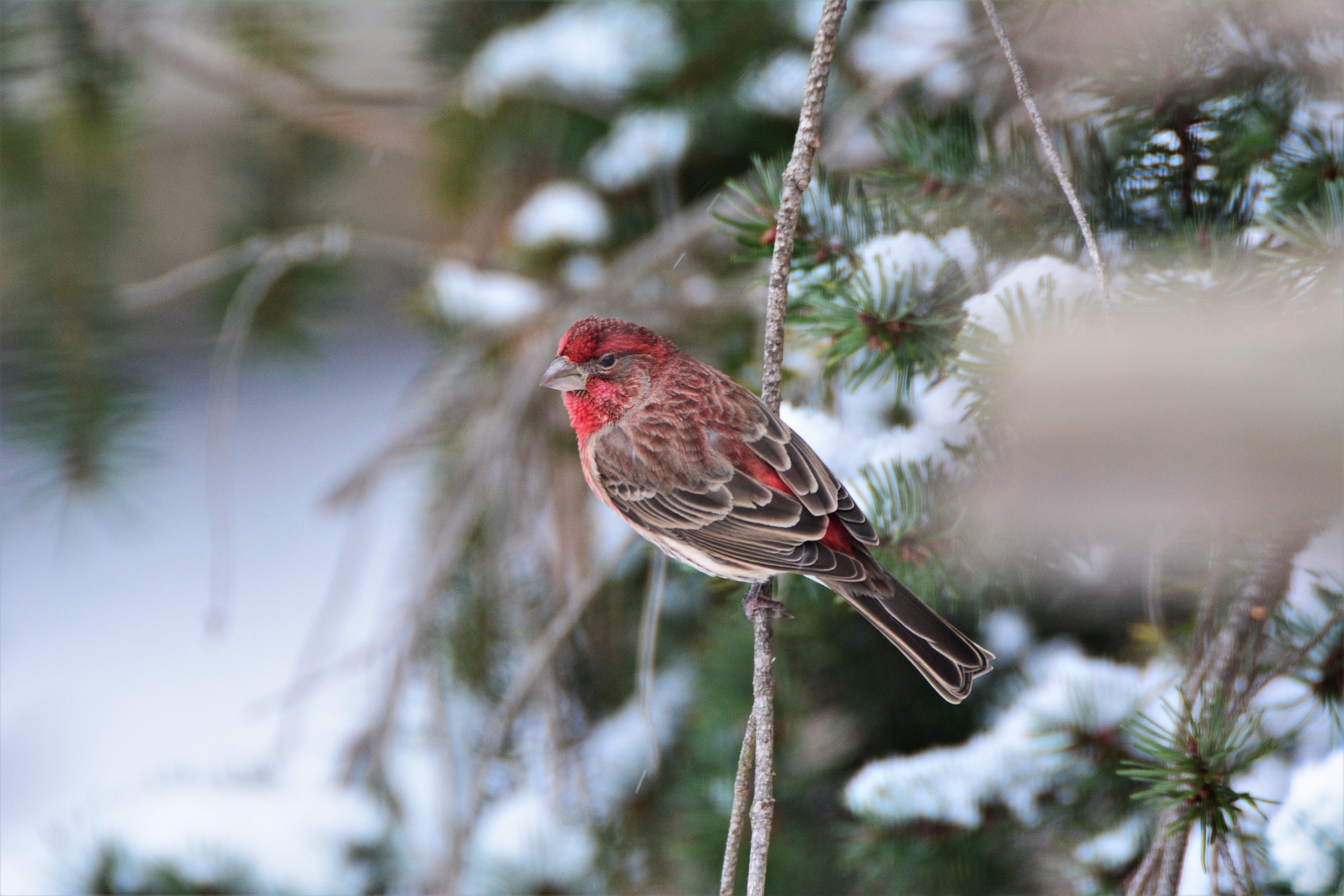
It’s not just a Bob Dylan song: birds in winter are seeking shelter, and a welcoming yard can make all the difference. What are they looking for? Leafy trees and dense shrubs, brush piles, hedges, and other places that offer protection. But weather isn’t the only threat they face. Birds also need refuge from predators like hawks, owls, raccoons, coyotes, and even your well-meaning dog or cat. Natural cover provides birds with quick escape routes and secure places to rest and feed without exposure. That’s why leaving dead trees, fallen branches, and overgrown shrubs in your yard offers birds a place to hide from the elements and predation.
Bring Out the Nest and Roost Boxes!
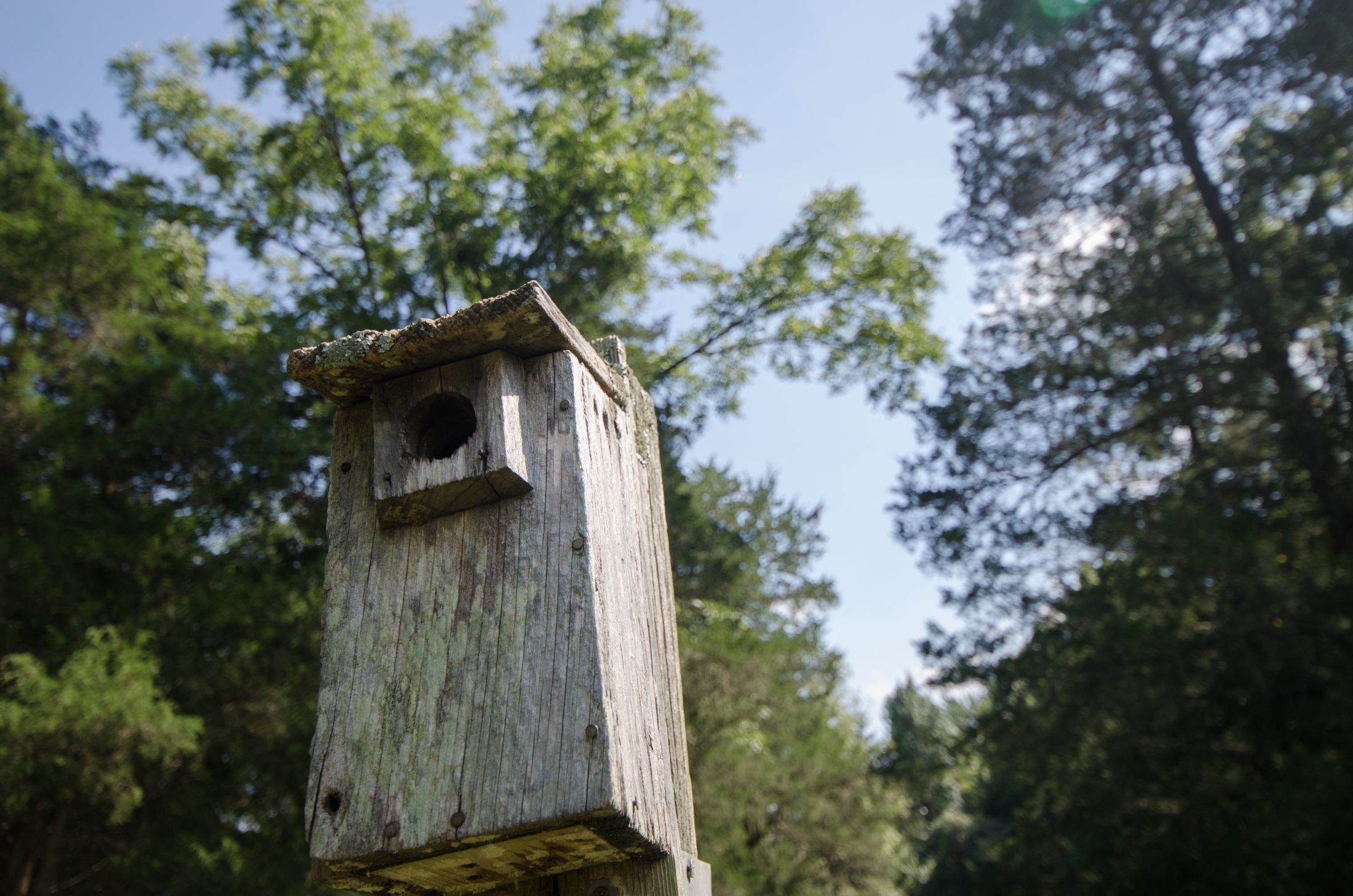
While it’s long past nesting season, you may still have nest boxes up. Now’s the time to get them ready for winter birds looking for warm roosting spots. Cavity-nesting birds like chickadees and woodpeckers will use them to huddle together for warmth through cold winter nights. And while nest boxes are fine overnight shelters, roost boxes are better insulated, and therefore more efficient for keeping warm. So if you already have nest boxes up, clean them out and block any ventilation holes for added warmth. Then consider mounting a roost box far enough away (at least 30 feet apart, if not farther, to prevent territorial conflicts).
Keep Your Windows Bird-Safe
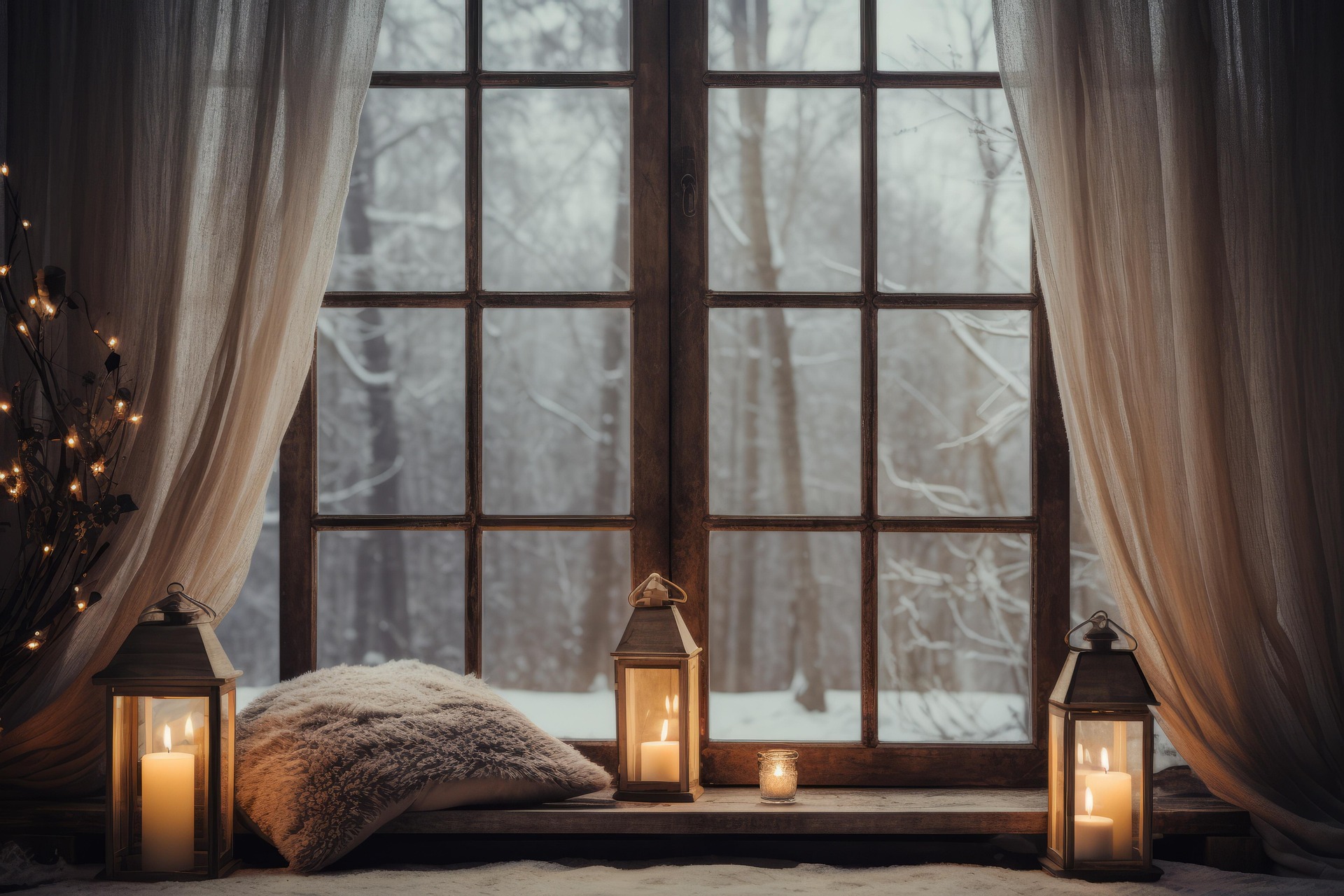
Now that your yard is a veritable winter wonderland for our feathered friends, keep the extra avian traffic safe from window strikes. Roughly one billion birds die every year from colliding with windows—and it’s so preventable! Simply place a window decal on your windows, turn off lights at night when you leave the room, and close drapes and blinds so that birds don’t mistake glass for a clear flight path.
Plant Native Plants for Next Winter
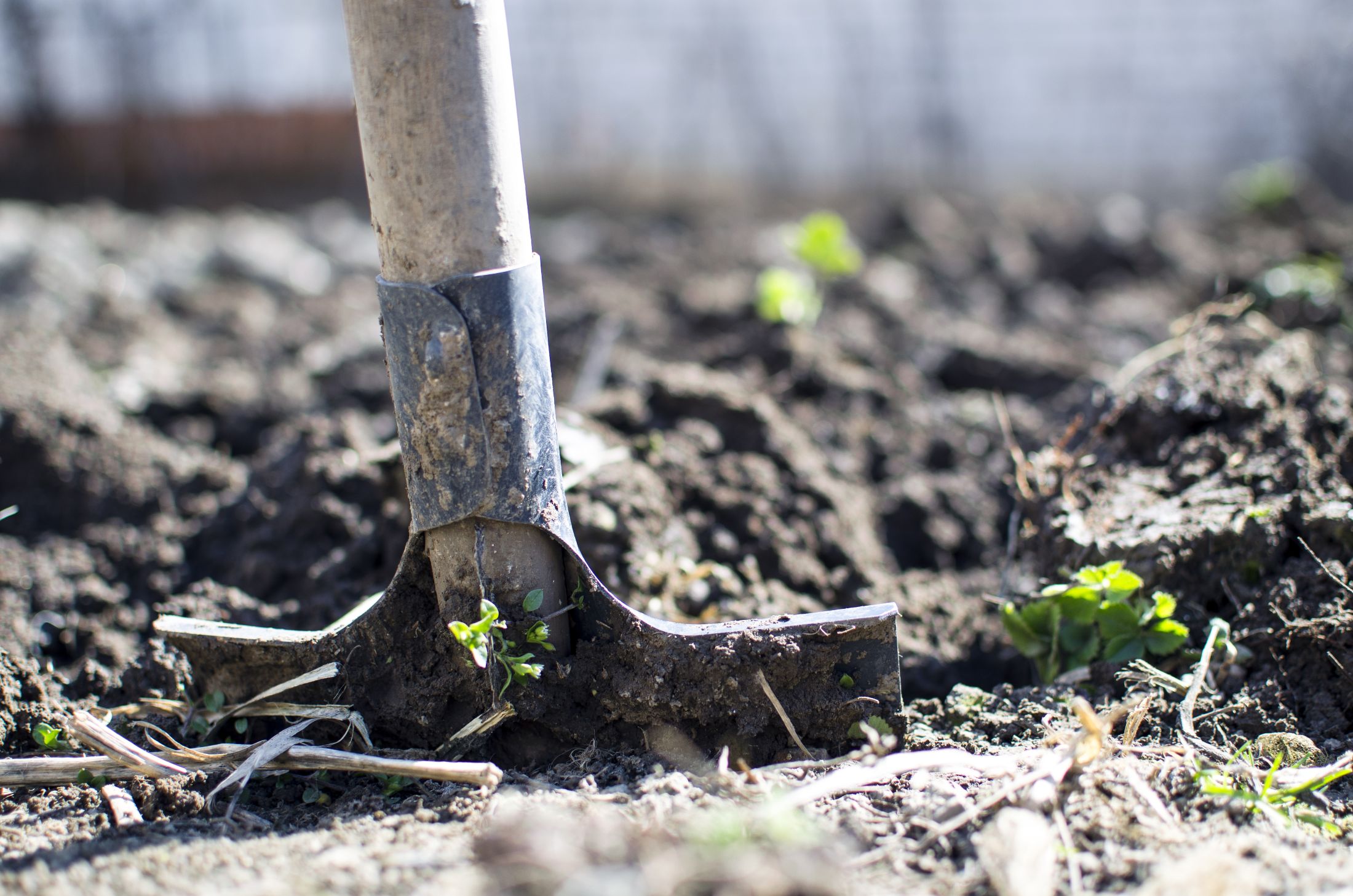
If you’re taking a long-range view of winterizing your yard for birds, consider planting native trees, shrubs, and plants. While this may take a bit more planning, it’s a worthwhile investment in your local wildlife. Even a single berry-producing shrub, like a Manzanita, or a few seed-bearing flowers like coneflowers and goldenrods can provide birds with food and shelter in just a few winters.
Your Winter Reading Checklist
- 9 Birds You Can Find in Southern California in Winter
- Do Birds Use Birdhouses in Winter?
- Surviving Winter: Why Wild Birds Need Us (and We Need Them)
- Be a Bird Friend This Winter
- Winter is for the Birds: The Importance of Wild Bird Feeding
- More Winter Bird Feeding Tips
- Do Birds Need Water in Winter?