
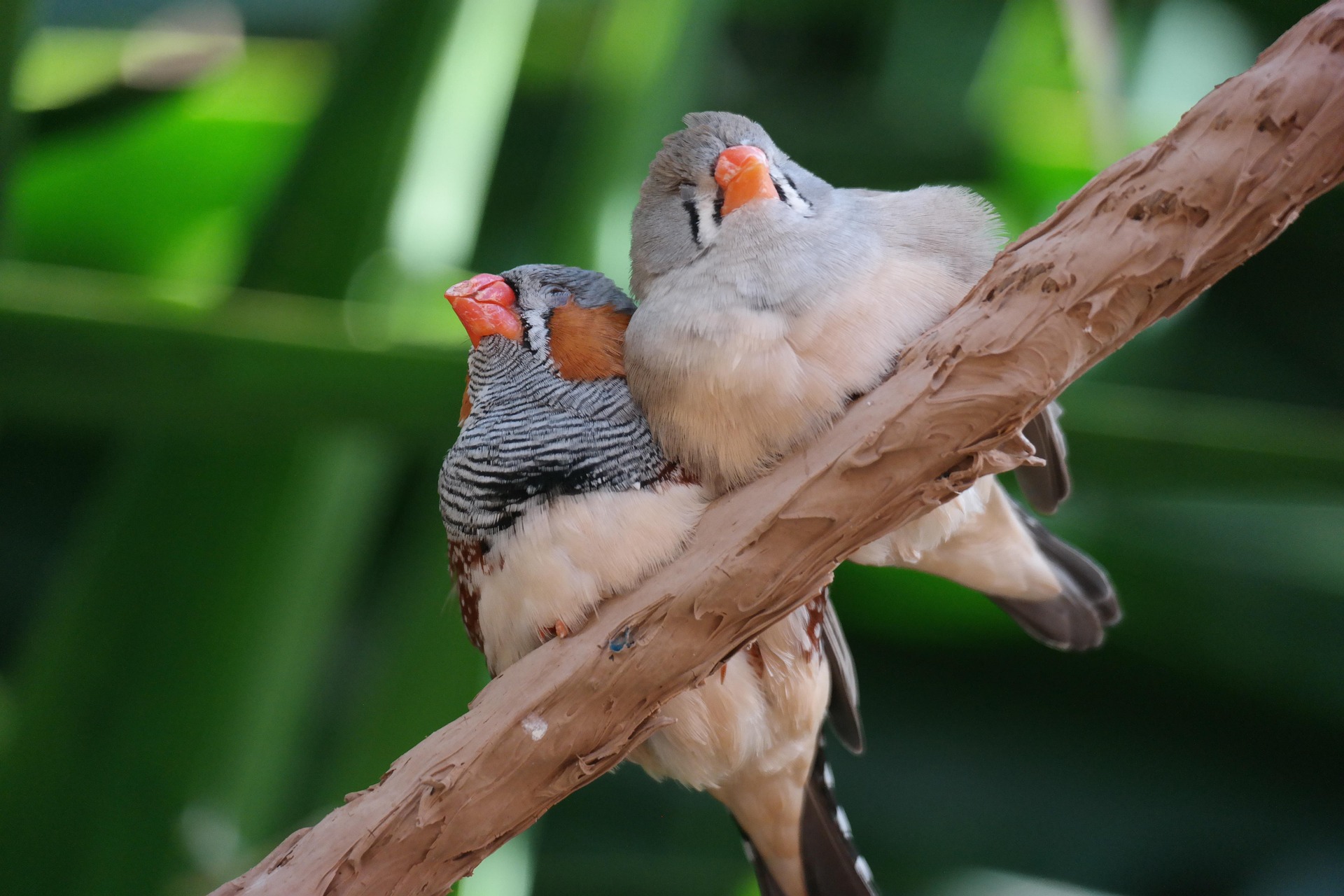
The latest research has discovered that certain wild birds, including songbirds (of course), practice singing in their sleep. Here’s what experts have learned, and why we can say for a certainty that birds are smarter than we think.
Young Zebra Finches Practice New Songs in Their Sleep
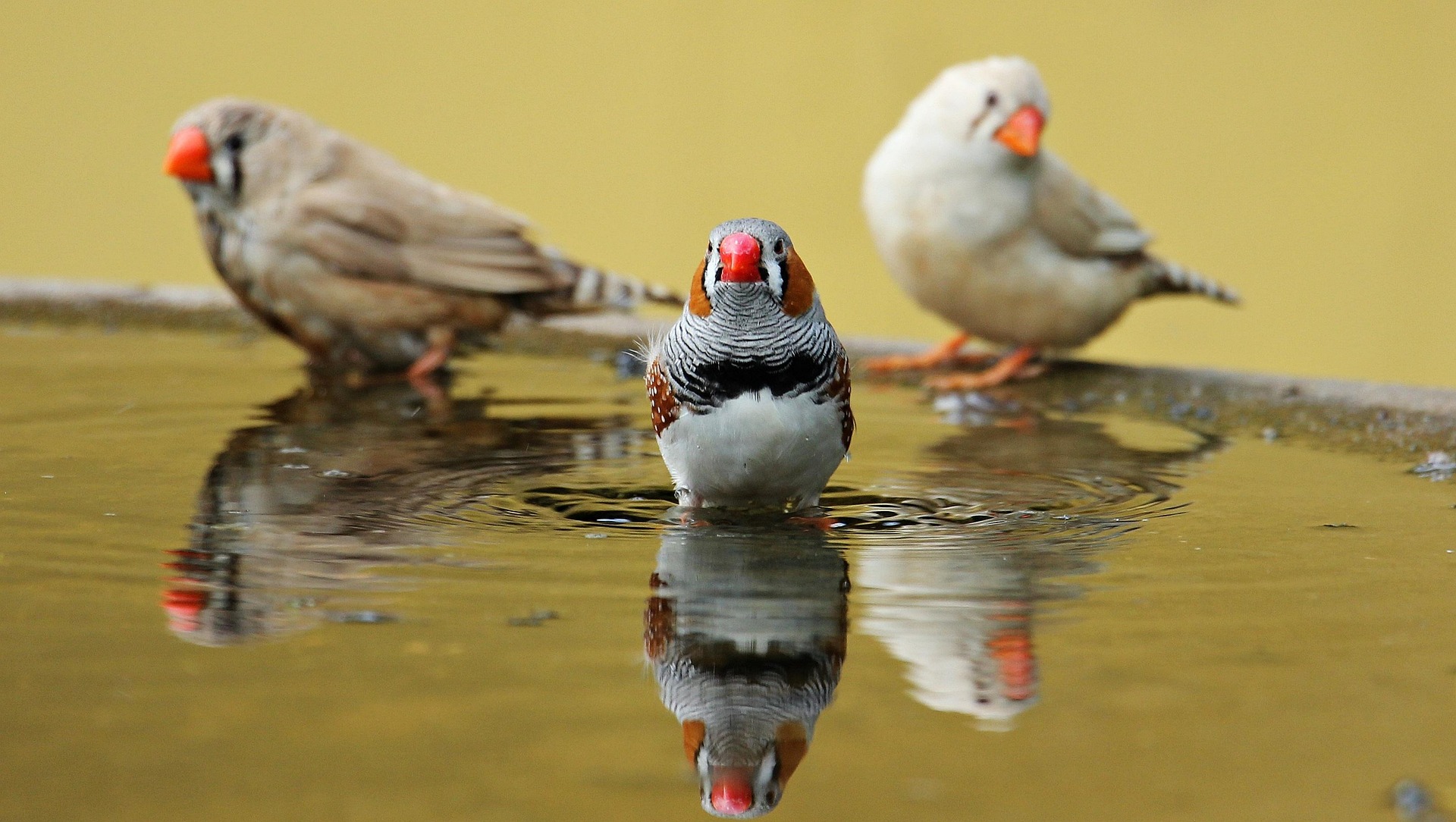
As far back as the late nineties, researchers at the University of Chicago found that young Zebra Finches used sleeping as a time to mentally practice the songs they learned from their parents that day. In fact, they found increased activity in the birds’ robustus archistratalis, the same part of the brain that’s active while singing. And, remarkably, a 2025 study published by the journal Nature found that zebra finches actually enjoy learning songs, as evidenced by the spikes in dopamine they showed while singing.
These findings are particularly interesting because Zebra Finches and humans have a similar way of teaching their young new vocalizations. The hope is that this and further research can somehow translate to improving education for young people, particularly those with learning challenges.
The Great Kiskadee’s Dreams, and What it Could Mean for Ours
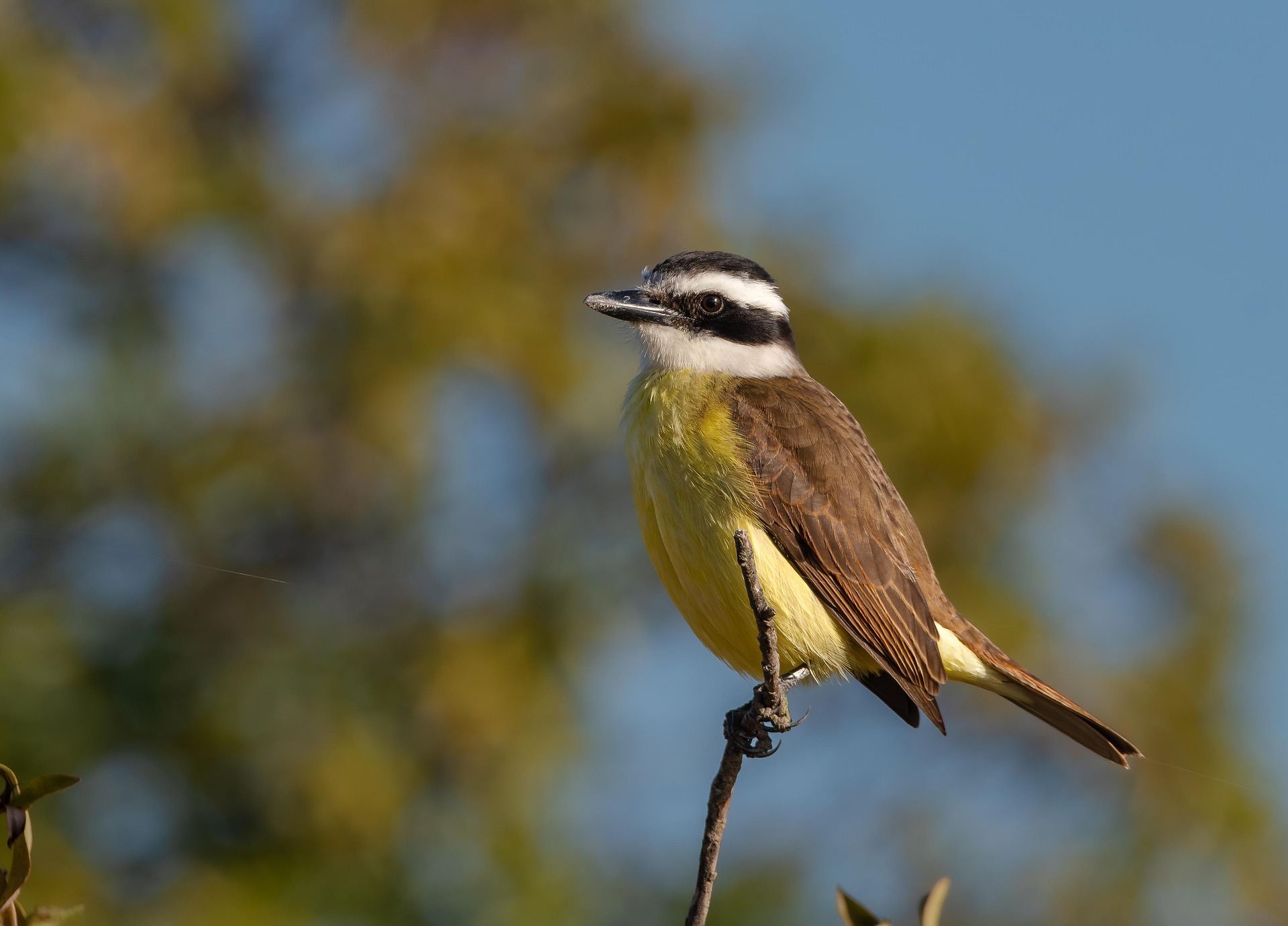
In 2024, the University of Buenos Aires spearheaded research on how birds singing affected their physical—and, more notably, their neurological—mechanisms during sleep. This time, flycatchers were the subjects, as the team recorded brain activity from sleeping Great Kiskadees. What they found was astonishing: not only did the sleeping birds show movement in the brain, but also in the syrinx, a vocal organ unique to birds.
Like Zebra Finches, it was as if the Great Kiskadees were silently singing a song as they slept. Researchers even devised a way to translate the vocal movements into notes, creating synthetic birdsong from electrical impulses. But this research isn’t just mere entertainment: it could also tell us a bit more about us and how we learn. As physicist and author of the study, Dr. Gabriel Mindlin, poignantly adds: “And for species that learn, to address questions about the role of sleep during learning.”
We Know They Sing, But Do Birds Really Dream?
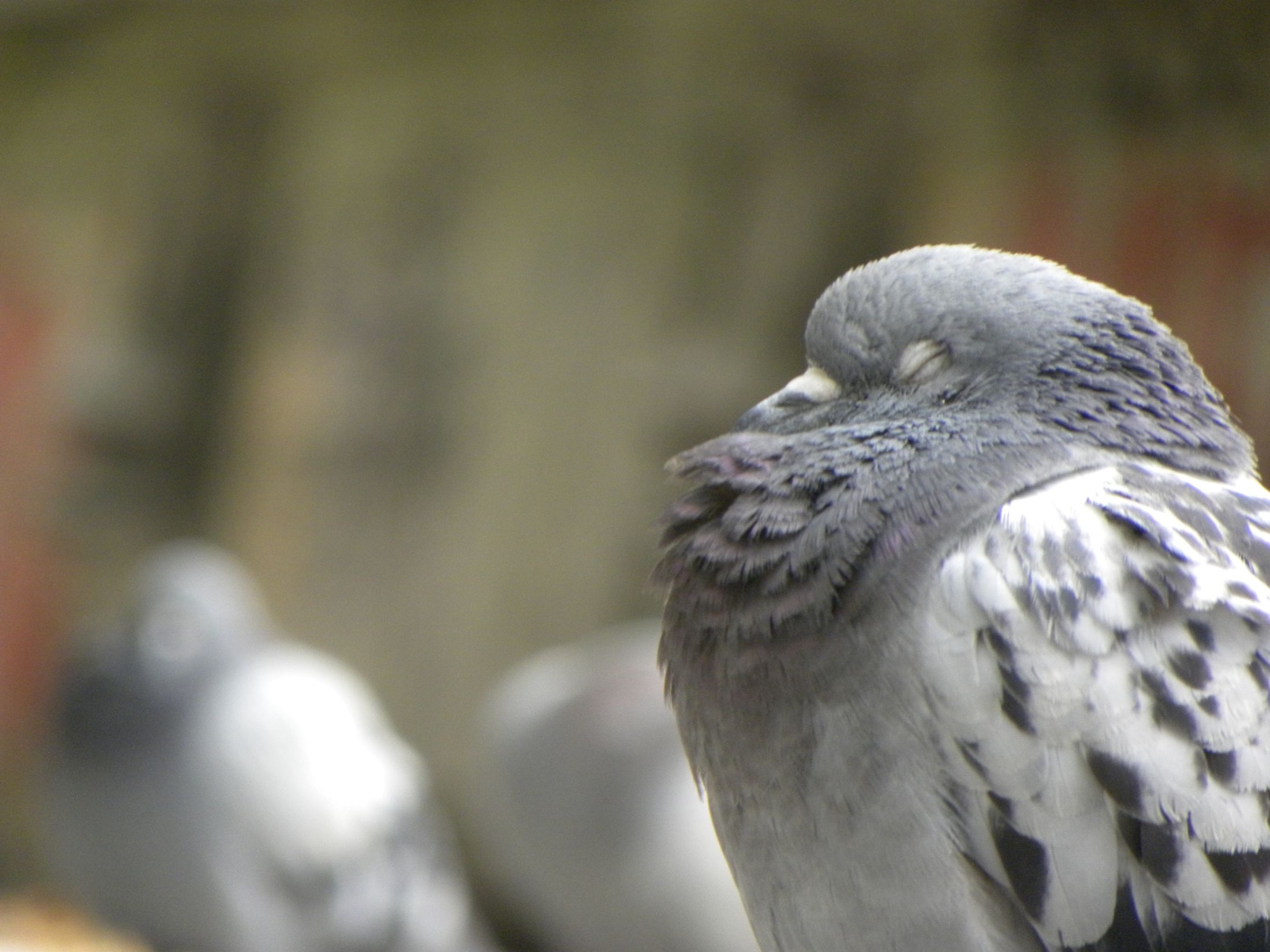
Not only do birds dream, but researchers have observed that they have REM and non-REM sleep states, same as humans. The Max Panck Institute and Ruhr University Bochum worked together to better understand the world of sleeping (and possibly dreaming) birds. They observed pigeons in both their sleep and awake states, and what they discovered was surprising. Not only did the birds show neurological signs of dreaming, but the data also indicated an emotional reaction to the dreams. Much like how a pleasant dream or a nightmare can affect our mood, the pigeons similarly showed emotional reactions, displaying the same pupil contractions while dreaming as they did in courtship and territorial behaviors.
Fast Facts about Sleeping and Dreaming Birds
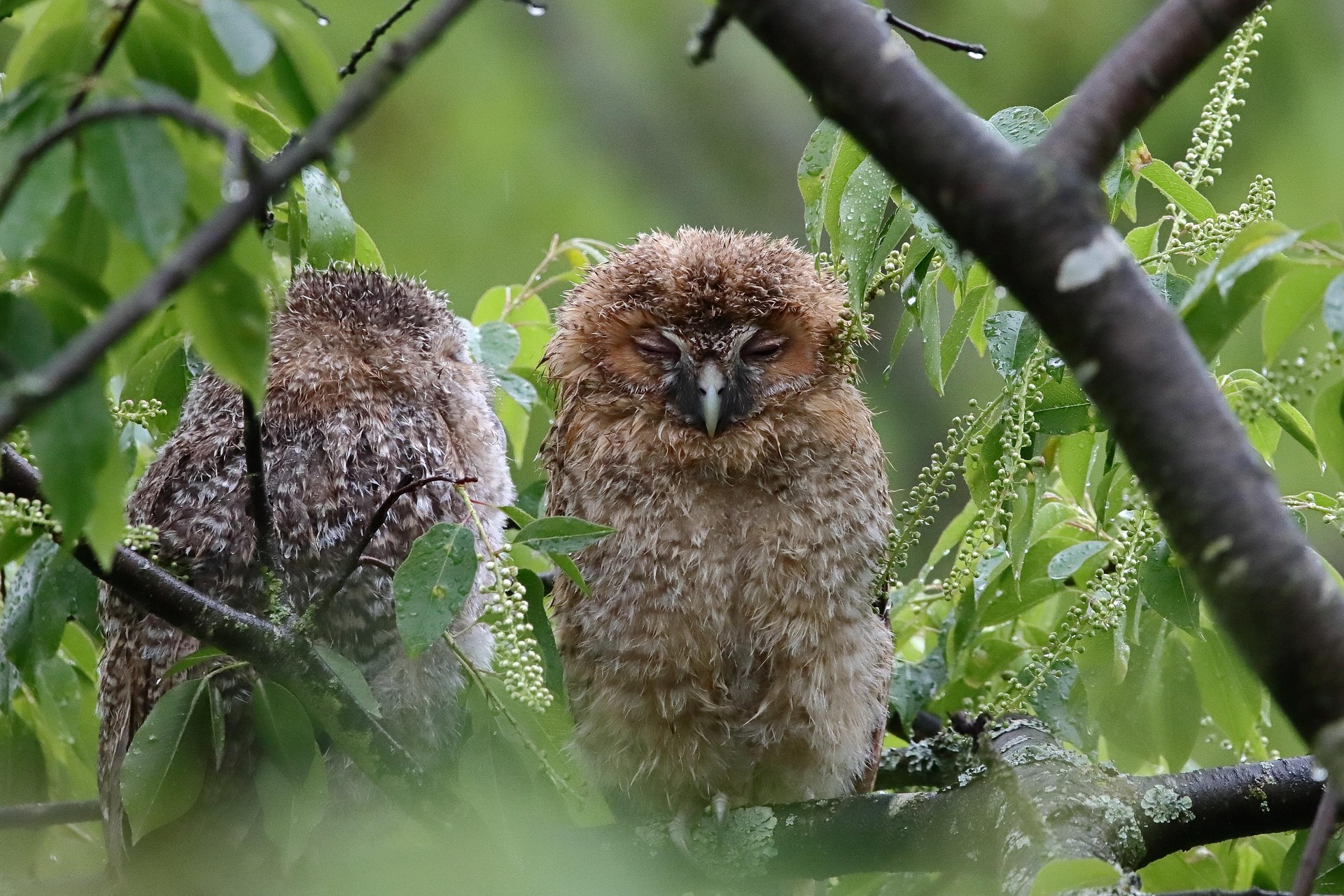
- Unlike humans, birds sleep in short bouts over a 24-hour period.
- Only one hemisphere of a bird’s brain falls asleep; the other hemisphere stays alert for potential threats.
- In inclement weather, birds will sleep in sheltered places; when weather is extreme, a bird usually flies to someplace safe before nodding off.
- Humans need 25% of their sleep to be REM, while birds need only 10%.
- Sometimes, hummingbirds sleep upside down in a sleep state known as a torpor, where their heartbeat and other bodily functions slow down so that they can rest.
How Bird Research Benefits Us
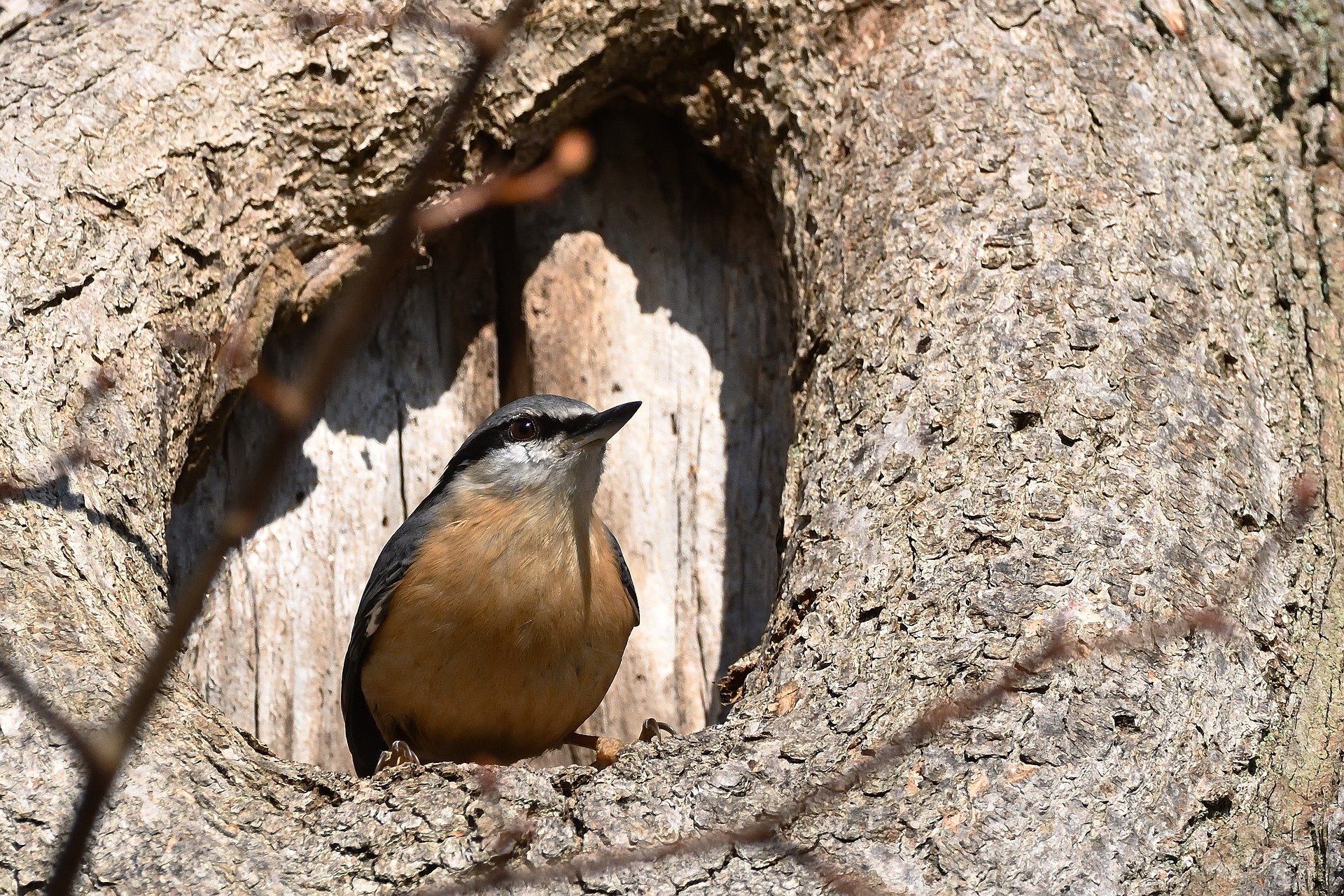
It’s a well-documented fact that birds boost our mental health and lower stress. But learning more about birds also means learning more about our environment and ourselves. Since birds are sensitive to their environment, their behavior can help us gauge the health of our forests, prairies, oceans, and other natural bird habitats. Without a sound or a song, birds can tell us about even the subtlest shifts in our climate, and how human activities are impacting our earth with habitat loss and less green spaces.
On a more personal level, birds also teach us about our own physiology. Studying birds has provided insights into treating medical conditions in humans, such as cardiovascular and brain diseases. Researchers at Arizona State University have looked at glucose levels in birds, finding that they are up to seven times the level of a human’s. These findings could fuel studies on what we can learn from birds when controlling high blood sugar levels associated with diabetes. This same research looked at the development of cancer in birds, with findings that may also be useful for human cancer research and prevention.
We’re merely scratching the surface of the bird research available, and its potentially significant impact on us and our future. As ecologist Thomas Lovejoy so aptly observed: “If you take care of birds, you take care of most of the environmental problems in the world.”
Learn About Birds at a Festival Like No Other!
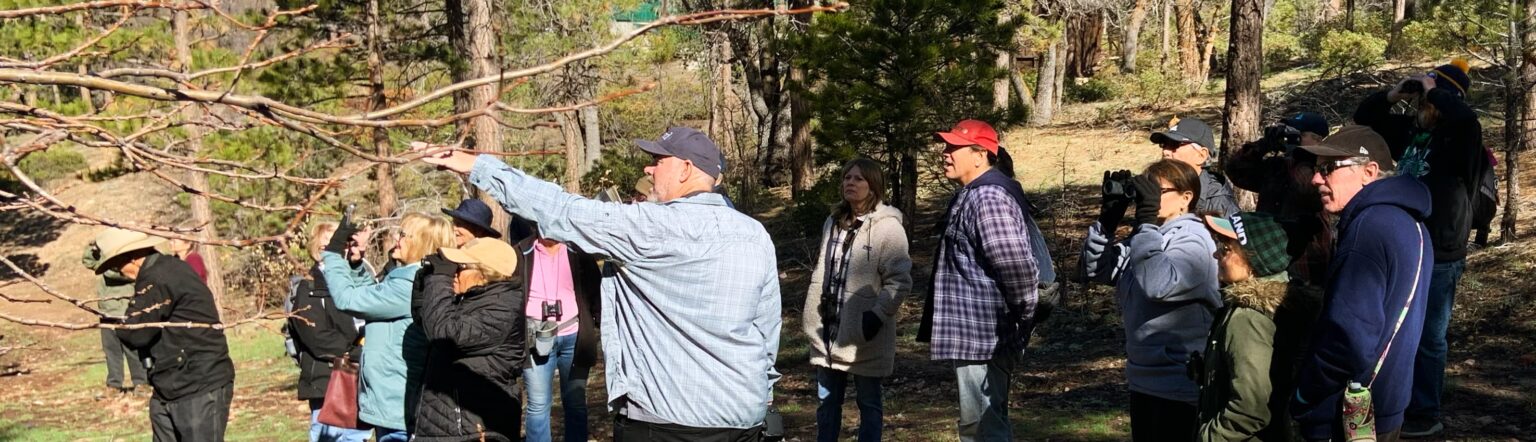
Join us in July and August for our Wings and Wild Things Festival. We have two more dates available: July 12th and August 9th. Come and learn about local Big Bear Birds with live animal presentations, guided bird walks, and more! All ages are welcome, and there’s something for everyone. Find out more and register now.