The beauty of birdwatching is that anyone can do it anywhere. And for older adults, it may help to slow, and even prevent, dementia. But whether it’s to boost brainpower or a better sense of well-being (research proves it does both!), watching and feeding birds isn’t just a relaxing pastime. Here’s why seniors and caregivers should pay attention.
Birdwatching Keeps the Brain Active

Birdwatching stimulates the brain, which, for older adults, is essential for retaining cognitive abilities. The simple act of noticing details like the shape of a bird, the color of its wings, and its unique behaviors and bird calls, is enough to engage the brain. One Canadian study on birdwatching groups found that the simple act of identifying birds and grouping them based on similarities like color and size helps with mental organization and strengthens memory.
Mindfully observing birds requires focused attention. Watching, listening, naming what the bird is doing, and what’s going on around it: all of this requires reasoning skills. Focused tasks like these help the brain to make connections, strengthening and creating new neural pathways in the brain. This mental mind mapping is what assists with memory and recall.
Birdwatching Reduces Stress, Enhances Well-being

It’s likely not a shock to learn that being in nature relieves stress, and that watching birds brings us happiness. And most will also agree that birdsong is a much better de-stressor than the sounds of honking cars on a busy street. But one study found something rather astonishing: when compared to a quiet environment (one without birdsong), listening to birds singing significantly reduced heart rate and blood pressure.
Seeing or hearing birds is shown to improve well-being for up to eight hours afterward! And one study even discovered that, at times, birdwatching improved mood more than nature walks! That’s good news for older adults, many of which are limited in mobility. It’s also good news because it proves that you don’t need much—just a window, and maybe a bird feeder and some bird seed—to improve your outlook.
Of course, just watching birds may not be sufficient help for those struggling with complex mental health issues. But when used as support for other treatments and therapies, birdwatching is a powerful activity that’s easily accessible, whether one is in their home or in a care environment.
Birdwatching Helps Combat Loneliness

It’s a sad reality that one in three older adults suffer from loneliness and social isolation. But anyone that has even dipped a toe in the birding community knows that it’s about the birds, yes: but it’s also about building connections.
Birdwatching is exciting because you never know which birds you’ll see. And when you join a birding group or trip, you also never know who you’ll meet. In fact, if this year’s Global Big Day and Great Backyard Bird Count are indicators, more people than ever are getting into birding. And the benefits of birdwatching are endless: it’s free, anyone can participate, and it doesn’t take a special skill or background to start. You just…start.
For older adults especially, birdwatching can be the conduit to a brand-new group of people in a zero-risk, all-reward activity. Of course, you can simply observe the birds right out your window. But for the more adventurous, the National Audubon Society and American Birding Association websites have information on local birdwatching groups and events.
Birdwatching Provides a Sense of Purpose
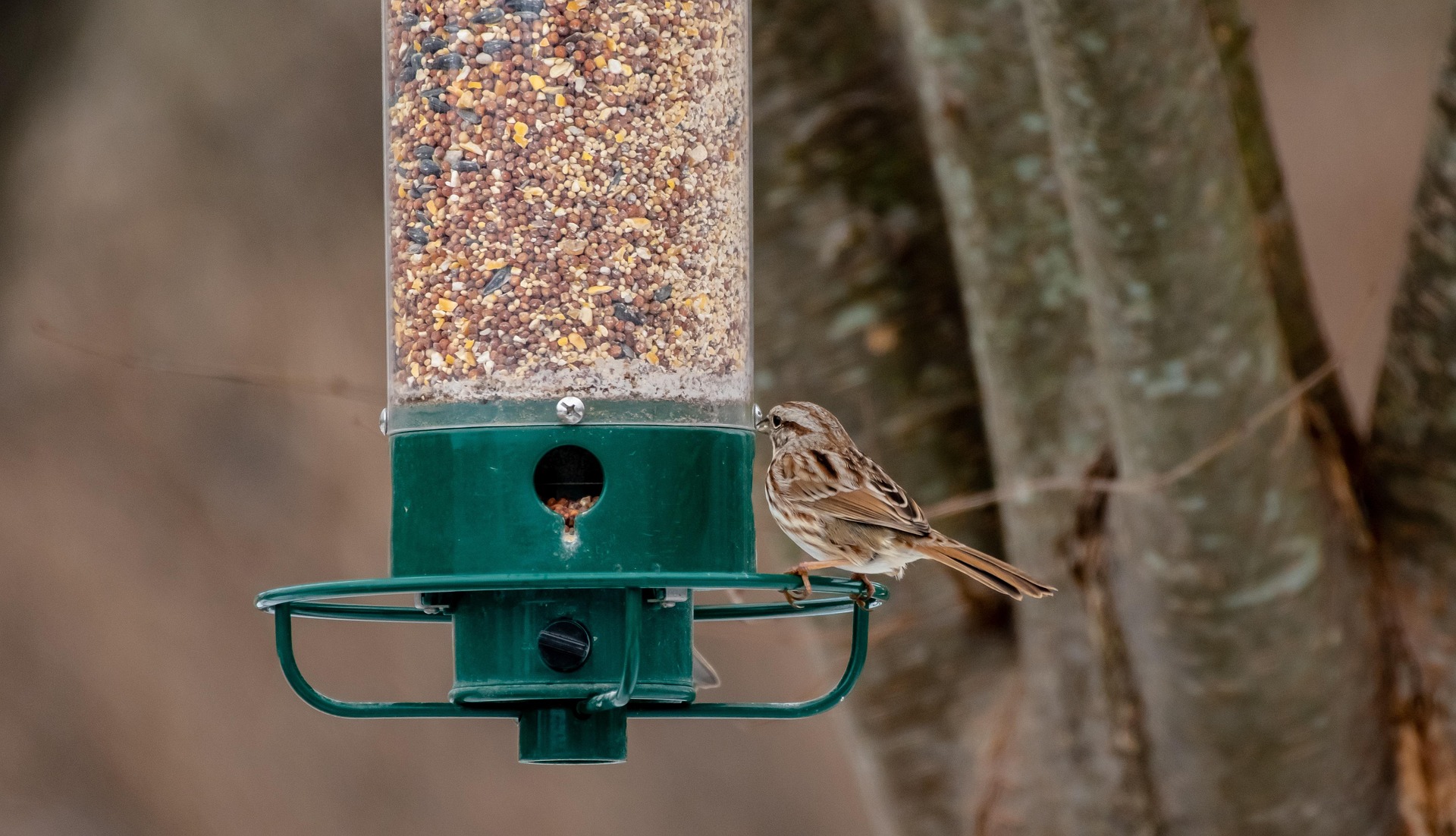
One U.S study found that owning a pet reduces the risk of loneliness in older adults by 36%. And while birdwatching isn’t the same as owning a dog or cat, the principles can still apply, especially when bird feeding is added to the mix. No matter what your age, the excitement of seeing the first few birds perch on a new bird feeder is universal. And addictive. You come to look forward to filling your feeder and seeing how many birds will stop by today. Maybe you’ll even see a bird you’ve never seen before.
Keeping feeders filled, cleaned, and refilled is a way of caring for the birds, and connecting with nature. It’s a purpose-driven activity that brings meaning and routine to the day—things that older adults may otherwise struggle to find. Feeding the birds—especially as the struggling bird population needs our support now more than ever—makes seniors feel useful, even needed. Even a small act like this can feel like a big win, bolstering self-respect. This simple act tells an older adult that they matter, that they are still part of the flow of life, and that what they do makes a difference—because it does.
Birdwatching Tips for Seniors
- Start small. Hang a new bird feeder close to the window you’re near the most. Or place a tray feeder on the ground in your yard. Learn more about what types of food your local birds love, so you can attract them to your yard!
- Enlist a friend. Ask a friend to go to the park or on a neighborhood walk, with a view to watching and identifying the birds you see.
- Join a group. Check online for birding groups near you. Many of these groups cater to seniors as well as those with mobility and other limitations.
- Get some gear. It doesn’t take much; even a set of binoculars and a small notepad to note which birds you see can make things more fun.
- Go at your own pace. Birdwatching is meant to be enjoyable! Don’t be discouraged if you can’t hike for miles like some birders. Find your pace, set small and personal goals for yourself to achieve, and just enjoy the moment.
This Fall, It’s All About the Birds