
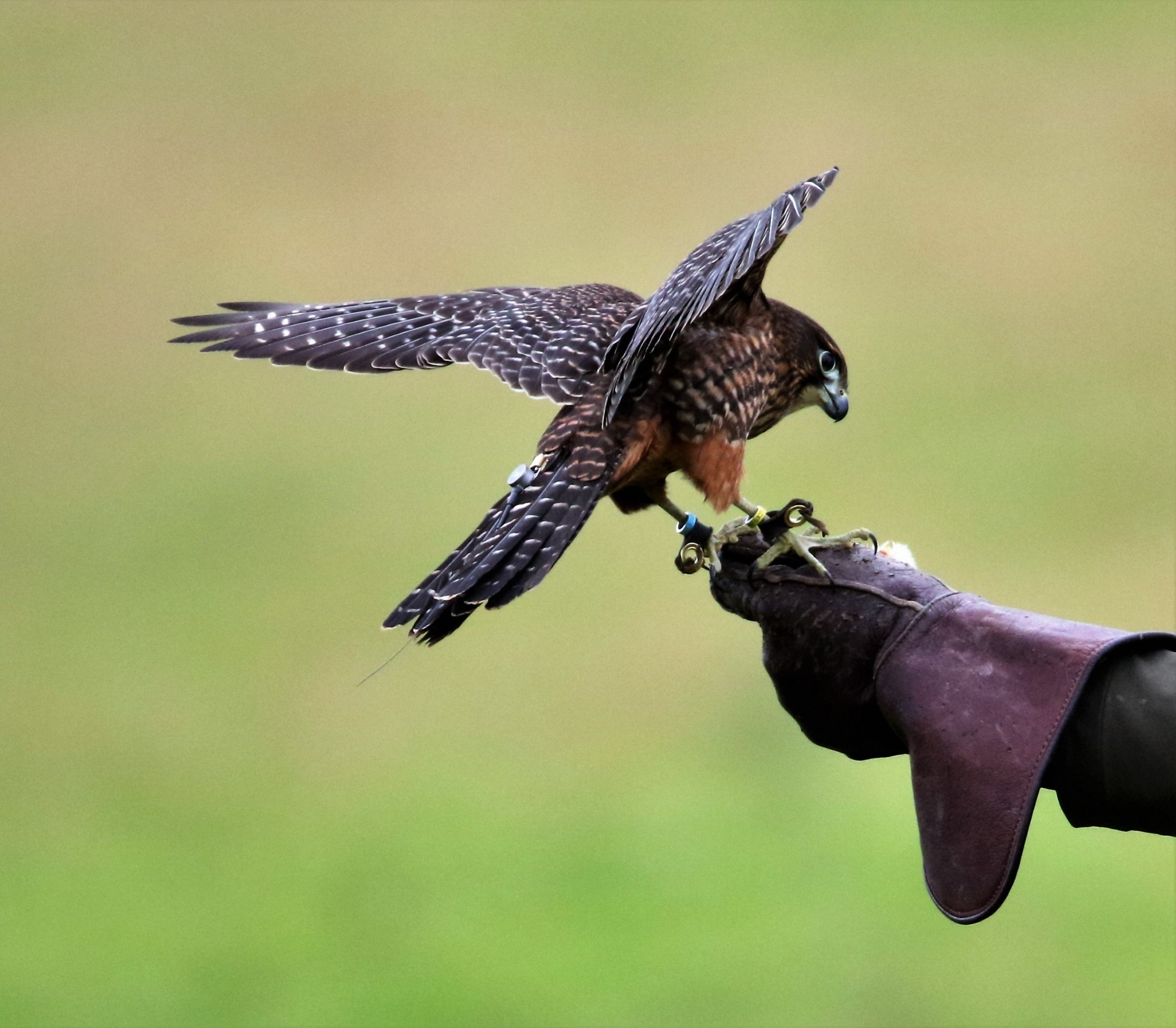
For thousands of years, humans have been training birds to work for us. Whether it’s carrying messages, fishing, or acting as an alarm, working birds are still a real part of our world culture. Let’s discuss some of the most well-known examples of working birds, both past and present.
Sending Messages with Pigeons
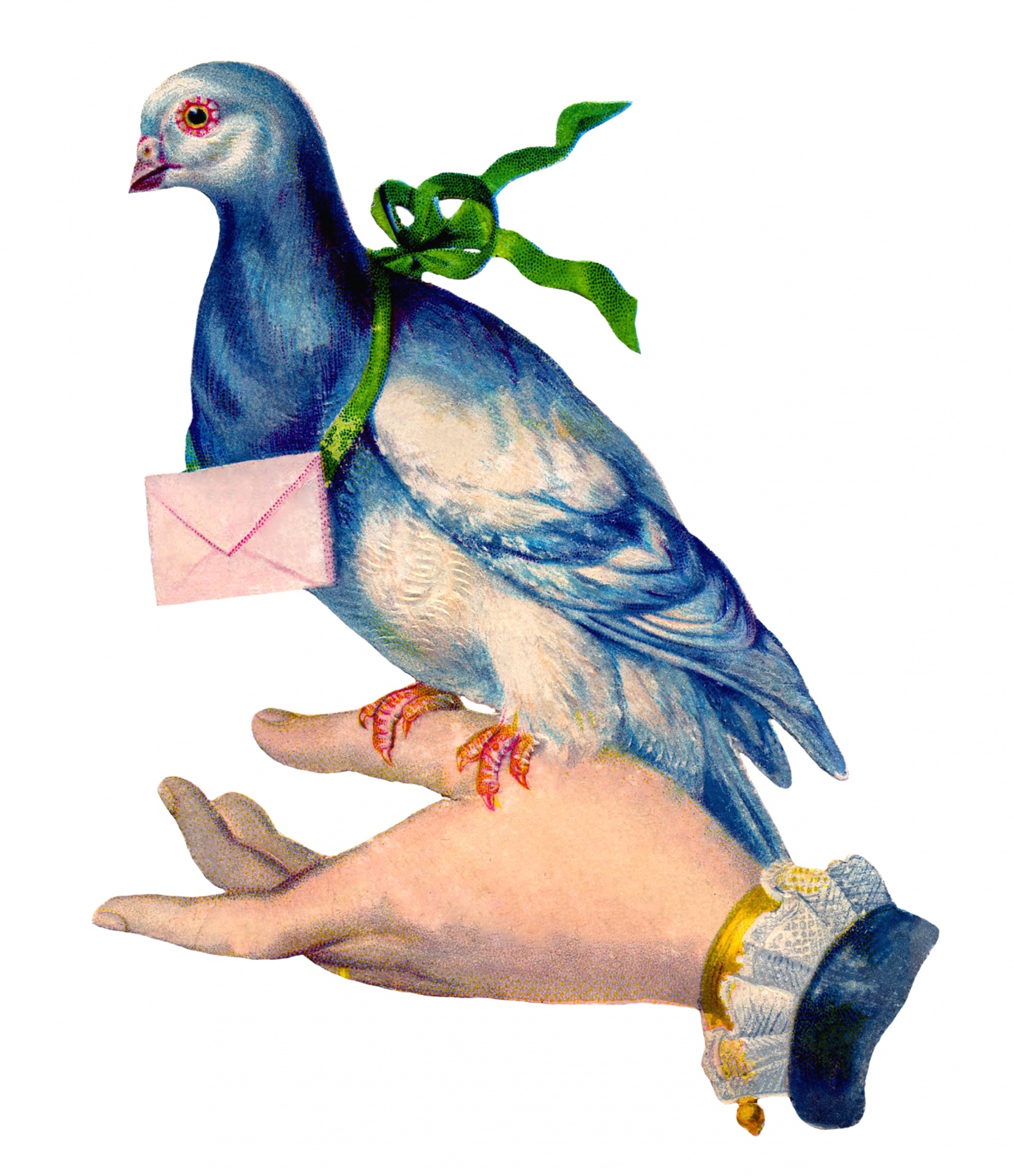
Think of homing pigeons as the world’s first text messaging system—if texts took hours and went on wing. Ancient Egyptians, Romans, and Greeks used pigeons to relay messages between allies. And as recent as World War II, the United States Army Pigeon Service—established during World War I—trained and dispatched over 54,000 pigeons to carry messages between military camps. Thus the “carrier pigeon” got its name.
How did carrier pigeons carry messages? The message would be written onto a tiny scroll, which would be rolled up and placed in a small tube that was tied to the bird’s leg. The pigeon was trained to recognize specific locations, which were delivery spots for these messages. Once the bird delivered the message, they were trained to fly back to their home base, where a bell or buzzer would sound an alert. This would tell the bird that their job was complete, reinforcing their training.
The genius of using carrier pigeons for communication was that they were a natural part of the landscape, and therefore undetectable to enemies. While radio reception could be unreliable or intercepted, the carrier pigeon was a vital backup for important communications to soldiers in the field. And for sending secret messages, the humble pigeon was a uniquely discreet confidant.
Warning Coal Miners with Canaries
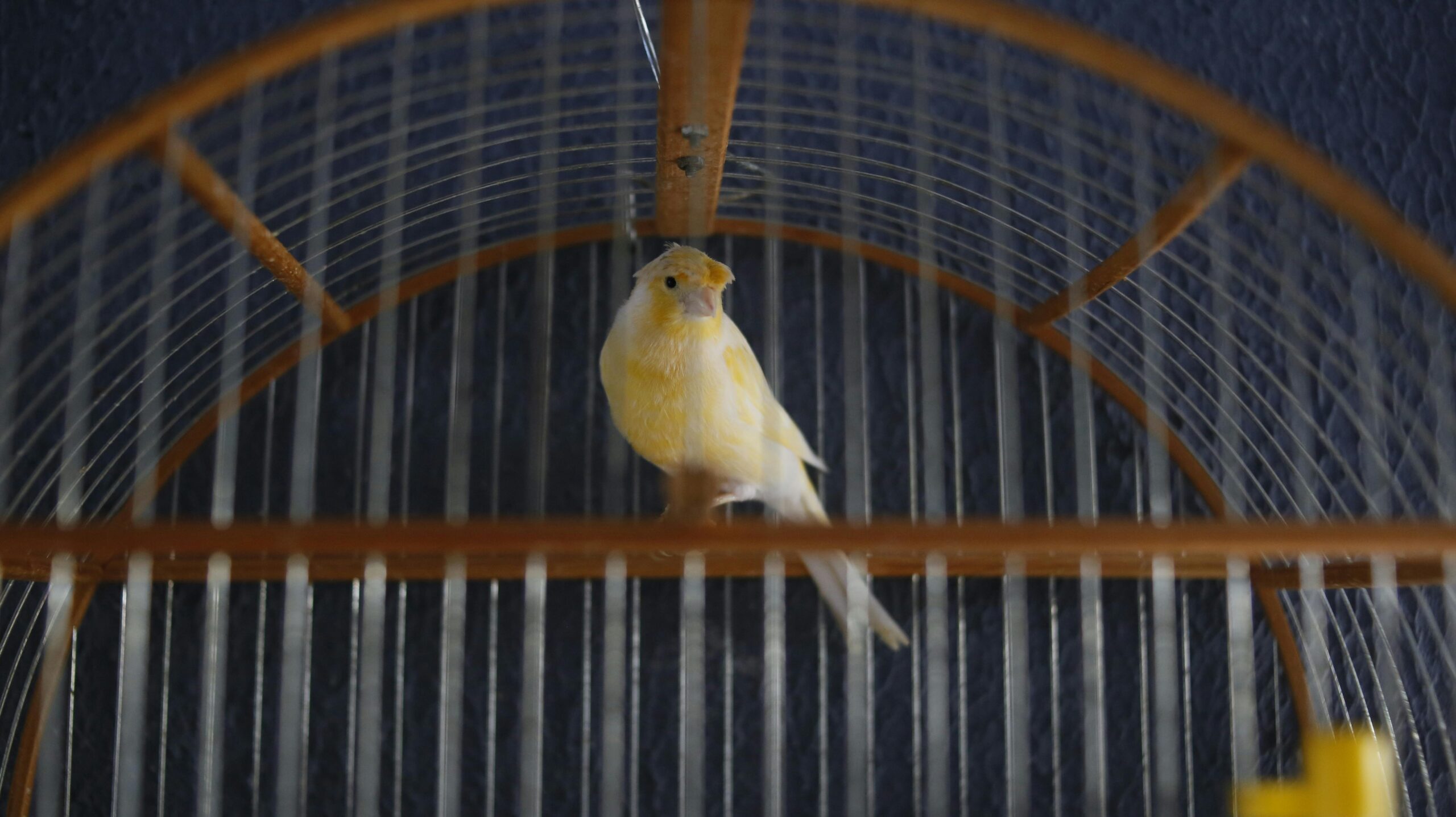
Long before “canary in a coal mine” became synonymous with a warning of danger, it was a real-life alarm system. For decades, and all the way up until the mid-1980s, coal miners have used canaries to detect poisonous gases. Carbon monoxide, which is colorless and odorless, and therefore undetectable until it’s too late, is a real concern while mining. As a result, caged canaries were kept in mines as an early detection system; if the canary died, it meant gas was likely present and the miners needed to evacuate ASAP.
Why was a canary used—why not a finch or bluebird? Put simply, canaries are small birds with tiny lungs and a fast metabolism. If they breathed in gas, they were particularly sensitive to it and would quickly show signs of sickness. Another answer lies in its song: a sprightly canary that stopped singing abruptly would alert miners that there was something very wrong.
Though inhumane by current standards, the canary-in-coal-mine system was considered crucial for miners and was responsible for saving thousands of human lives over decades. Some miners did keep rescue cages with oxygen tanks to resuscitate sickly canaries that inhaled toxic fumes. Though thankfully, digital carbon monoxide detectors have since replaced canaries, which officially retired from the mining industry in 1986.
Hunting with Birds of Prey
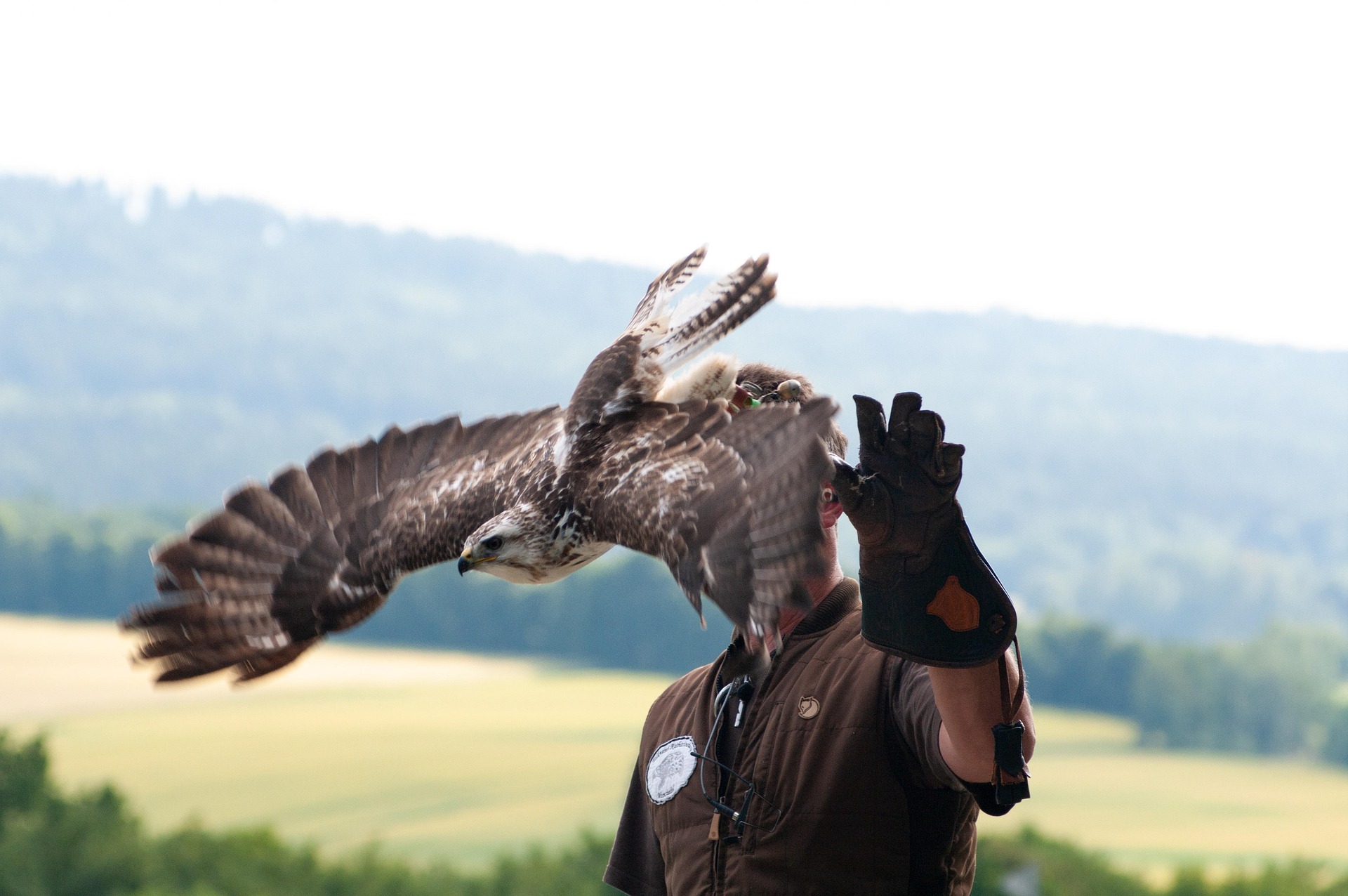
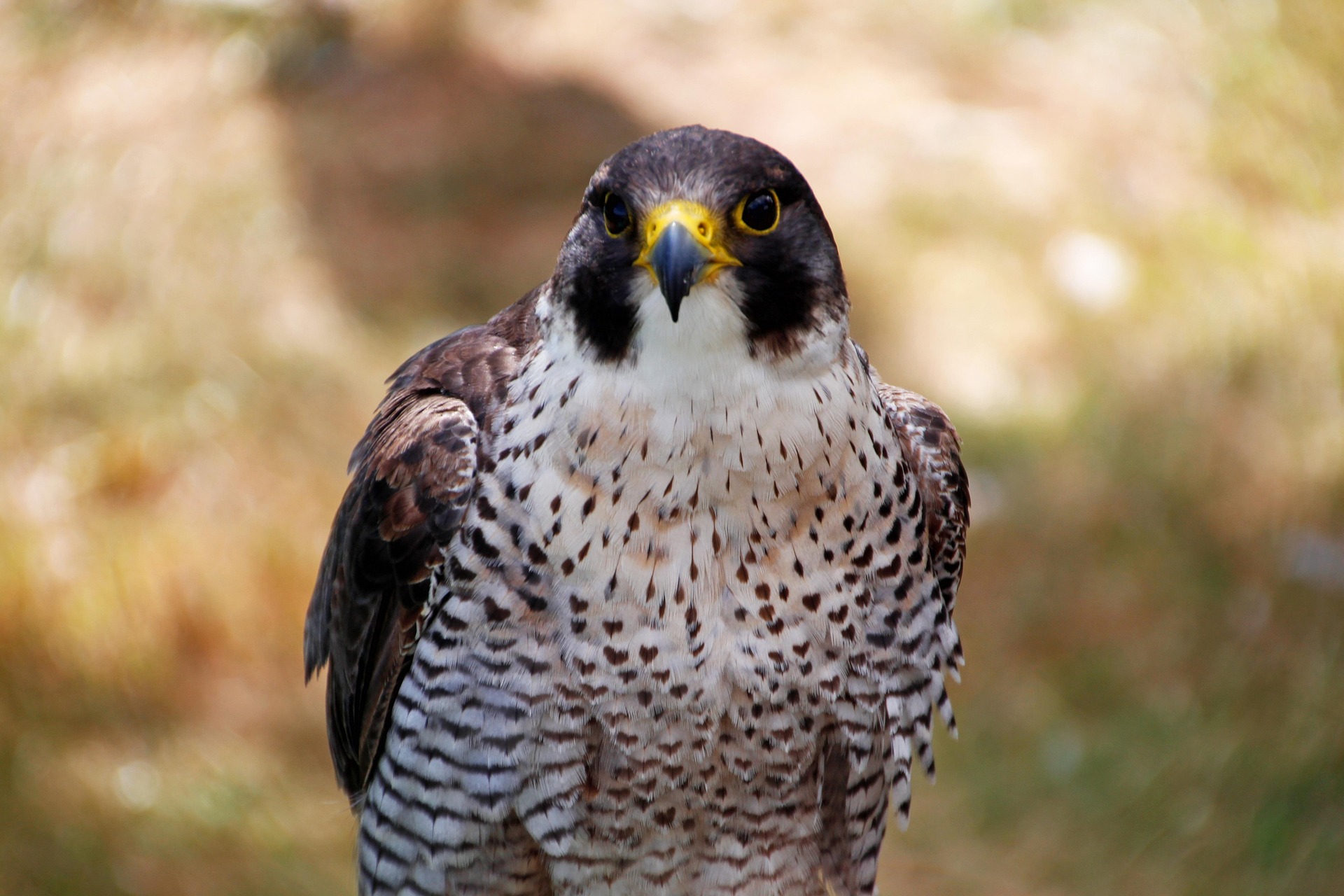
The first record of hunting with falcons, or falconry, dates back to the 7th century BC when the Ancient Chinese trained birds of prey to hunt small animals. Though certain historians argue that the practice predates this time. Thousands of years ago, the Bedouins of the Arabian Desert hunted hares through the sand using these regal raptors. Whenever the precise start date, people have practiced falconry across the globe for centuries, from New Zealand to Japan, medieval Europe to modern America.
What is falconry? Some call it a sport, others an art. Whichever side you land on, the act involves training birds of prey (hawks, falcons, and other raptors) to hunt wild game. Today, that mostly involves capturing a small animal or bird only to release it, unharmed, back into the wild. Falconers train raptors with vocal and visual commands, rewarding them with food when they follow them. Training a raptor takes about six weeks or so, though it takes longer for their human counterpart: a minimum of 7 years for a falconer to be trained from apprentice to “master falconer.”
More than a mere sport, falconry is now mostly used to control pests in urban areas and commercial spaces. And, most importantly, the practice has spearheaded raptor conservation efforts over the years. Not only is the tradition steeped in deep respect for, and ethical standards when dealing with, raptors, but falconer organizations have raised both money and awareness to preserve these beautiful birds. Organizations like the Peregrine Fund have been able to stabilize and expand the peregrine population by breeding falcons donated by falconers. Breeding programs like this one are responsible for saving certain raptor species from extinction during the 20th century.
Fishing with Cormorants
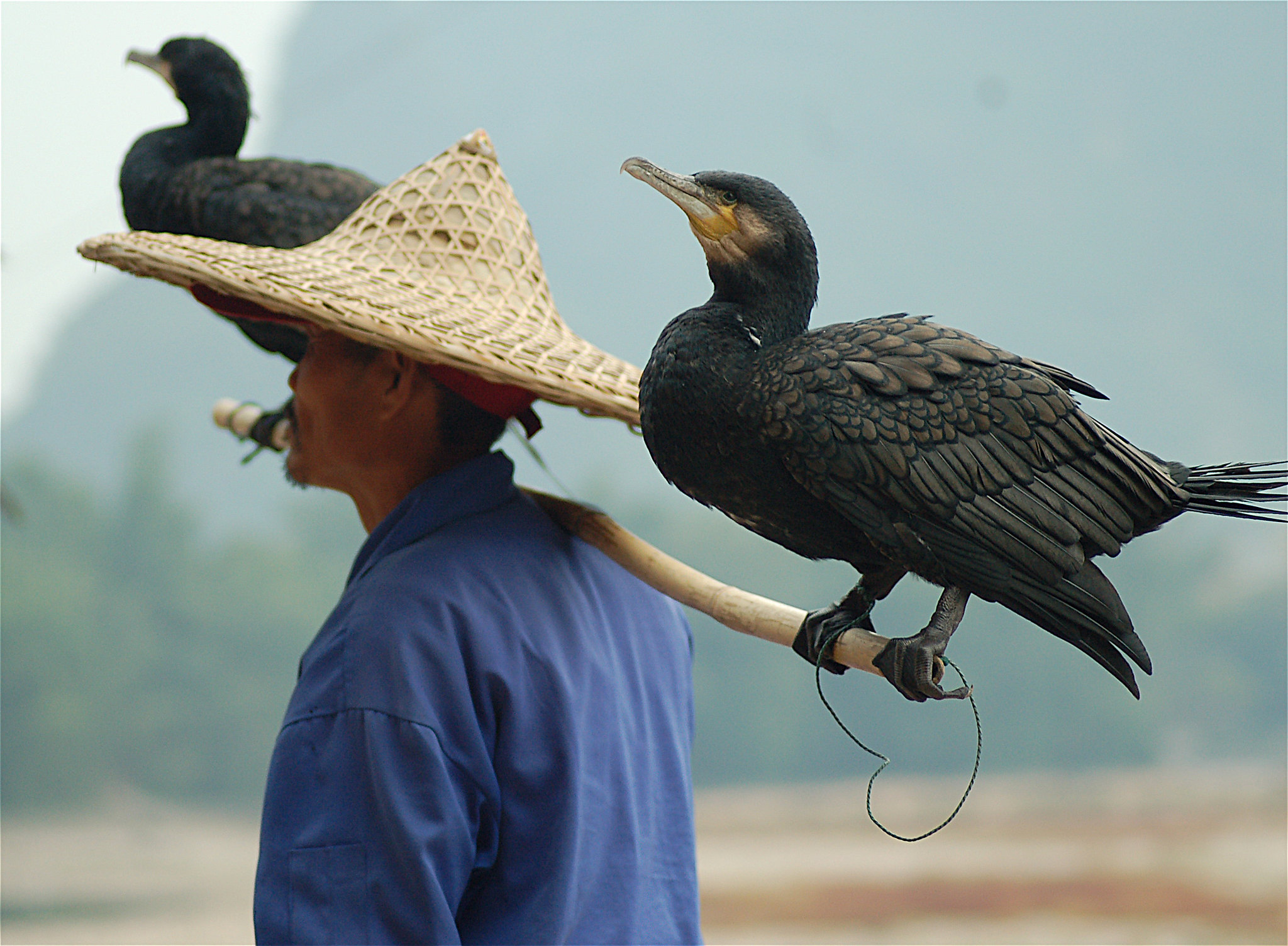
They say to learn a sport, you should learn from the best. What better way to learn fishing than from an expert fisher like the cormorant? Masters at diving, swimming, and hunting, the cormorant effortlessly catches fish underwater using their hooked beaks. Naturally waterproof, their plumage doesn’t weigh them down, but aids them in diving more efficiently. And their webbed feet lets them plunge through the water with speed and accuracy to catch their prey.
In China and Japan, cormorants have aided fishermen since the 6th and 7th centuries. An ancient fisherman would train a cormorant to catch a fish without swallowing it, then return to the fisherman and allow him to retrieve the catch from its beak. The fishermen would train the cormorants as hatchlings. They would place a loose band around the bird’s throat to train it not to swallow the fish once they caught it. The fisherman would then reward the cormorant with a smaller fish to reinforce the training. And if the overeager bird swallowed the catch, the fisherman would massage the bird’s throat to get it to regurgitate it.
Over the years, other countries like Greece and England have also used this form of fishing, but in Asia it was standard fishing fare until the 8th century. Today, the ancient tradition is practiced in these places more as an attraction than a viable fishing method.
Did You Know This About Birds?
- Do Birds Have Brains?
- Do Birds Have Feelings?
- Do Birds Remember Us?
- How Long Do Wild Birds Live?
- Where Do Birds Sleep at Night?
- Did You Know That Birds Sing in Their Sleep?
Photo credits: Cormorant fishing image courtesy of Sue Cantan.